
Activision Faces Backlash for AI Art in Black Ops 7
Activision faces backlash for using AI-generated art in Black Ops 7, sparking player dissatisfaction and refund demands over quality concerns.
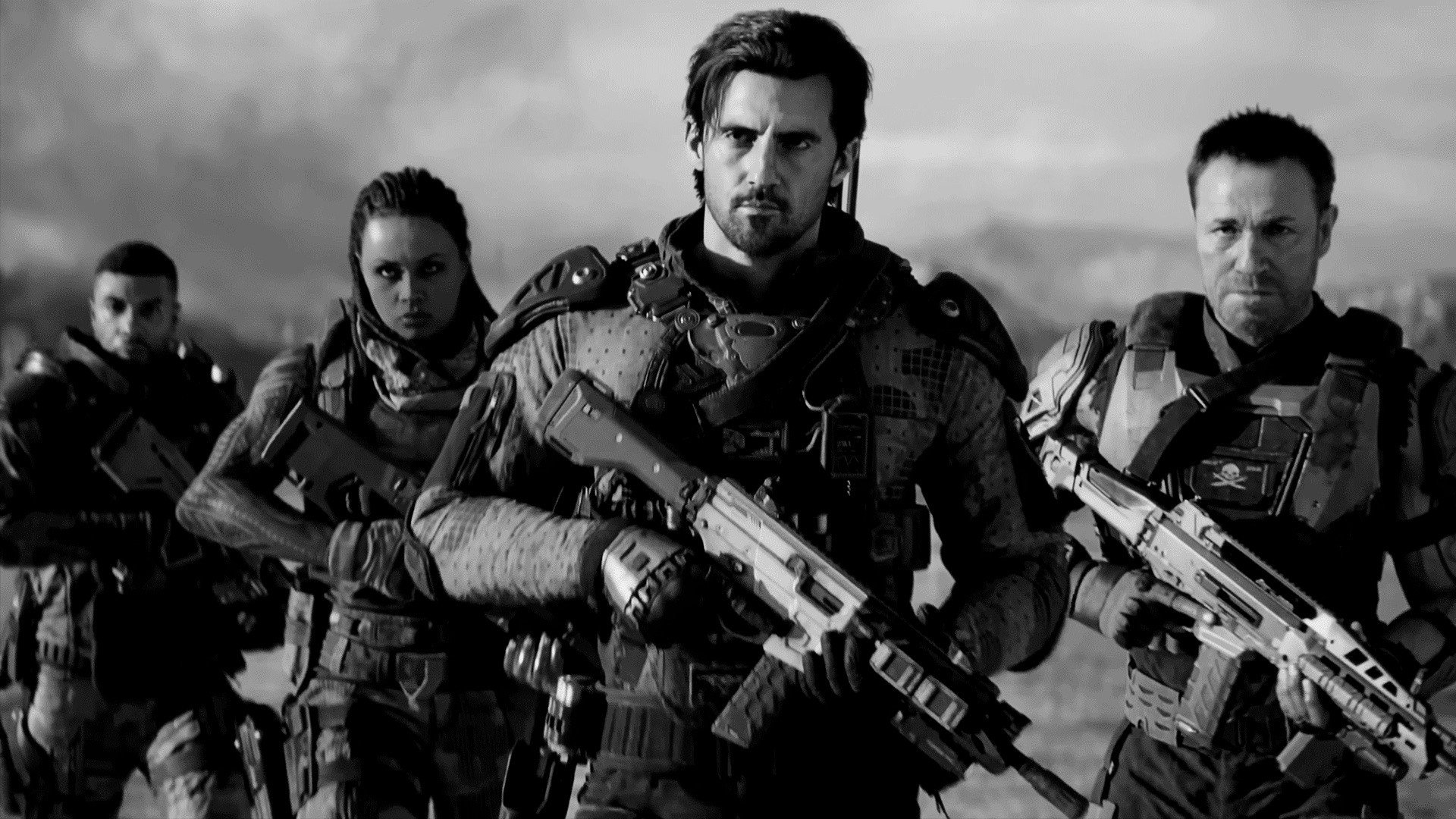
Call of Duty: Black Ops 7 Faces Intense Backlash Over Use of AI-Generated Art
Call of Duty: Black Ops 7, the latest installment in the iconic FPS franchise by Activision, has come under fire shortly after its release for incorporating AI-generated artwork in its in-game cosmetic items. Players and critics alike have expressed disappointment, claiming that the $70 price tag no longer guarantees the high-quality, handcrafted content expected from the series. The controversy centers primarily on the game's calling cards, small animated posters used as player customization that appear to be created using AI art tools, sparking widespread criticism and demands for refunds.
What Sparked the Controversy?
The uproar began when players noticed several calling cards in Black Ops 7 exhibiting a strange, stylized look reminiscent of AI art outputs, notably resembling the "Studio Ghibli-style" but with the telltale flaws of AI-generated images—such as inconsistent anatomy or awkward details. These art pieces, which should have been polished and unique, came across as sloppy and uninspired to much of the community.
Fans quickly took to social media and forums to voice their dissatisfaction, accusing Activision of cutting corners by outsourcing creative work to AI tools rather than human artists. Some players went as far as filing refund requests on Steam, citing that the use of AI-generated assets was not disclosed in the marketing and did not meet their expectations for a premium-priced title.
Activision’s Response
In response to the backlash, Activision acknowledged the use of AI tools in the creation process but emphasized that their creative teams still lead the overall design and production. The company framed AI as a supportive tool rather than a replacement for human creativity, aiming to streamline workflows in certain cosmetic elements like calling cards. However, this statement did little to quell the dissatisfaction among the player base, many of whom felt the end results were visibly subpar and betrayed the franchise’s standards.
This is not the first time Activision has been accused of integrating AI-generated assets into its games. Previous titles like Modern Warfare III and Black Ops 6 were also scrutinized for similar practices, though the AI errors were less obvious than in Black Ops 7, where the AI art's flaws are more glaring.
Impact on Players and Industry Perception
The controversy has sparked a broader discussion about the role of AI in game development, especially concerning player expectations of quality and authenticity. While AI can accelerate content creation, its use raises questions about artistic integrity and value for money—particularly in AAA titles with premium pricing.
Some players feel that relying on AI-generated art for visible customization options cheapens the gaming experience and diminishes the craftsmanship that fans have come to expect. The backlash indicates a growing demand for transparency from developers about when and how AI tools are used.
Visual Examples and Community Reaction
Images circulating online show calling cards that blend fantasy and stylized art but suffer from distorted anatomy and unnatural compositions, hallmarks of AI generation. These visuals have been described as “AI slop” by players and critics alike, underscoring the deep disappointment in the quality of these assets.
The Future of AI in Gaming Content Creation
While AI art tools offer undeniable advantages in speed and cost, the Black Ops 7 case illustrates the potential risks of deploying them without sufficient oversight or quality control. The gaming community’s reaction suggests that developers must strike a careful balance between innovation and preserving the artistic quality that defines their brand.
Activision’s experience with Black Ops 7 may serve as a cautionary tale for other companies considering AI integration in their creative pipelines. Transparency with consumers and maintaining high standards will be crucial for sustaining trust in an era of increasing automation.
Images Related to the Controversy
- Official Call of Duty: Black Ops 7 logo and promotional images.
- Screenshots of the controversial AI-generated calling cards showing distorted, stylized artwork.
- Visual comparisons between traditional hand-crafted art and the AI-generated calling cards in Black Ops 7.
The Black Ops 7 AI art controversy highlights the challenges and debates surrounding AI’s role in creative industries. It reflects a pivotal moment where player expectations clash with new technological workflows, signaling that game developers must navigate this terrain carefully to maintain fan loyalty and uphold quality standards.


