

AI Agents Build Functional Web Browser in a Week—What This Means for Development
Cursor's AI agents have reportedly developed a fully functional web browser in just seven days, signaling a major shift in how AI can autonomously build complex software systems. Here's what the breakthrough reveals about the future of agent-driven development.
The Speed of Autonomous Development Has Just Changed
The race to prove AI agents can build production-grade software just accelerated dramatically. According to reports, Cursor's AI agents developed a fully functional web browser in a single week—a feat that would typically require months of engineering effort from a specialized team. This isn't a proof-of-concept or a stripped-down prototype; the browser reportedly handles real-world web functionality. The implications ripple across the entire software development industry, raising urgent questions about how quickly AI-driven development can outpace traditional engineering cycles.
What Happened: The Browser Build
Cursor's CEO has highlighted this achievement as evidence of AI agents' capability to tackle complex, multi-step engineering problems. The browser wasn't built by a single AI model working in isolation—it represents Cursor's broader push toward scaling AI agents that can coordinate, iterate, and solve problems autonomously.
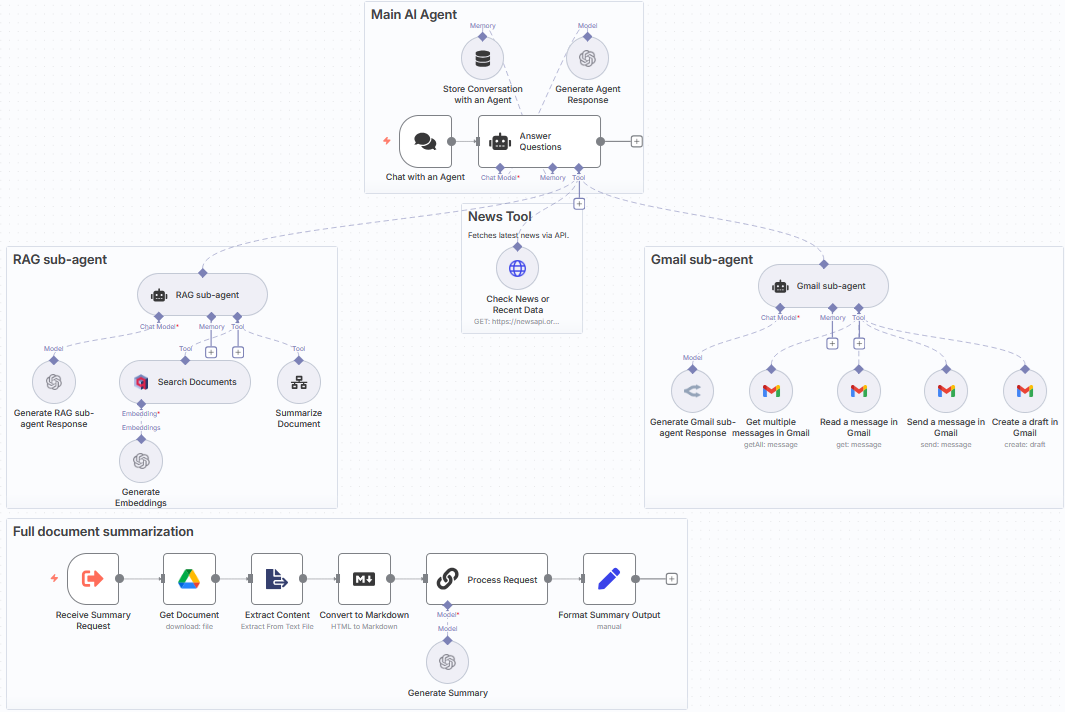
The key technical insight: modern AI agents can now:
- Break down complex problems into manageable subtasks
- Iterate on solutions without constant human intervention
- Debug and refine code autonomously across multiple components
- Coordinate across multiple agents to parallelize work
This isn't magic. It's the result of improvements in prompt engineering, agent frameworks, and the underlying capabilities of large language models. Cursor has published guidance on agent best practices, suggesting the company is actively documenting how to structure AI agents for maximum effectiveness.
Why This Matters: The Competitive Landscape
The browser build demonstrates a critical inflection point: AI agents are moving from experimental tools to practical development engines. For context:
- Traditional browser development (like early versions of Chromium or Firefox) took teams of dozens of engineers multiple years
- This AI-driven approach compressed that timeline to days
The catch? We don't yet have independent verification of the browser's full feature set or performance characteristics. Developer sentiment remains mixed, with some praising Cursor's capabilities while others report frustration with UI inconsistencies and bugs. The browser achievement is impressive, but it also highlights the gap between "functional" and "production-ready."
What Developers Should Watch
The implications for software development are substantial:
- Acceleration of prototyping: Complex systems can now be sketched out in days rather than weeks
- Shift in engineering roles: The focus moves from writing boilerplate to architecting and validating AI-driven solutions
- New debugging challenges: Code written by AI agents may be harder to understand and maintain than human-written equivalents
- Scaling questions: Can these agents handle projects with millions of lines of code and complex legacy systems?
Cursor's broader strategy around agent scaling suggests the company is betting heavily on this becoming the dominant development paradigm. The browser build is a proof point, but the real test comes when AI agents tackle existing codebases, handle edge cases, and maintain systems over years.
The Bottom Line
A functional web browser built in a week by AI agents is a genuine technical milestone. It proves that autonomous AI systems can now tackle problems previously reserved for specialized engineering teams. However, the software industry has learned to be cautious about "revolutionary" claims. The real question isn't whether AI agents can build complex systems—it's whether they can do so reliably, securely, and in ways that integrate with existing development workflows.
The next phase of this story will be measured in adoption: how many development teams actually use AI agents for critical projects, and what happens when those systems encounter real-world complexity at scale.


