
AI Boom Drives Economic Growth Amid Global Challenges
AI technologies drive global economic growth, but risks loom if momentum falters, impacting workforce and sustainability.
The AI Boom Is Driving the Economy: What Happens If It Falters?
The rapid expansion of artificial intelligence (AI) technologies has become a significant driver of economic growth worldwide, particularly in the United States and China. However, as the AI boom accelerates, experts and policymakers are increasingly concerned about the consequences if this momentum falters. This article explores the current state of the AI-driven economy, the risks involved, and what the future may hold.
The Current AI Economic Boom
AI investment is fueling strong corporate earnings growth and technological innovation, despite broader economic challenges such as demographic slowdowns and rising tariffs. According to Vanguard’s November 2025 report, the U.S. economy maintained robust fundamentals throughout 2025, largely propelled by AI and other positive technology shocks. The firm forecasts a modest acceleration in U.S. GDP growth to about 2.25% in 2026, supported by AI investment and fiscal stimulus from recent legislation such as the One Big Beautiful Bill Act. Labor markets, which cooled in 2025, are expected to stabilize, keeping unemployment below 4.5%.
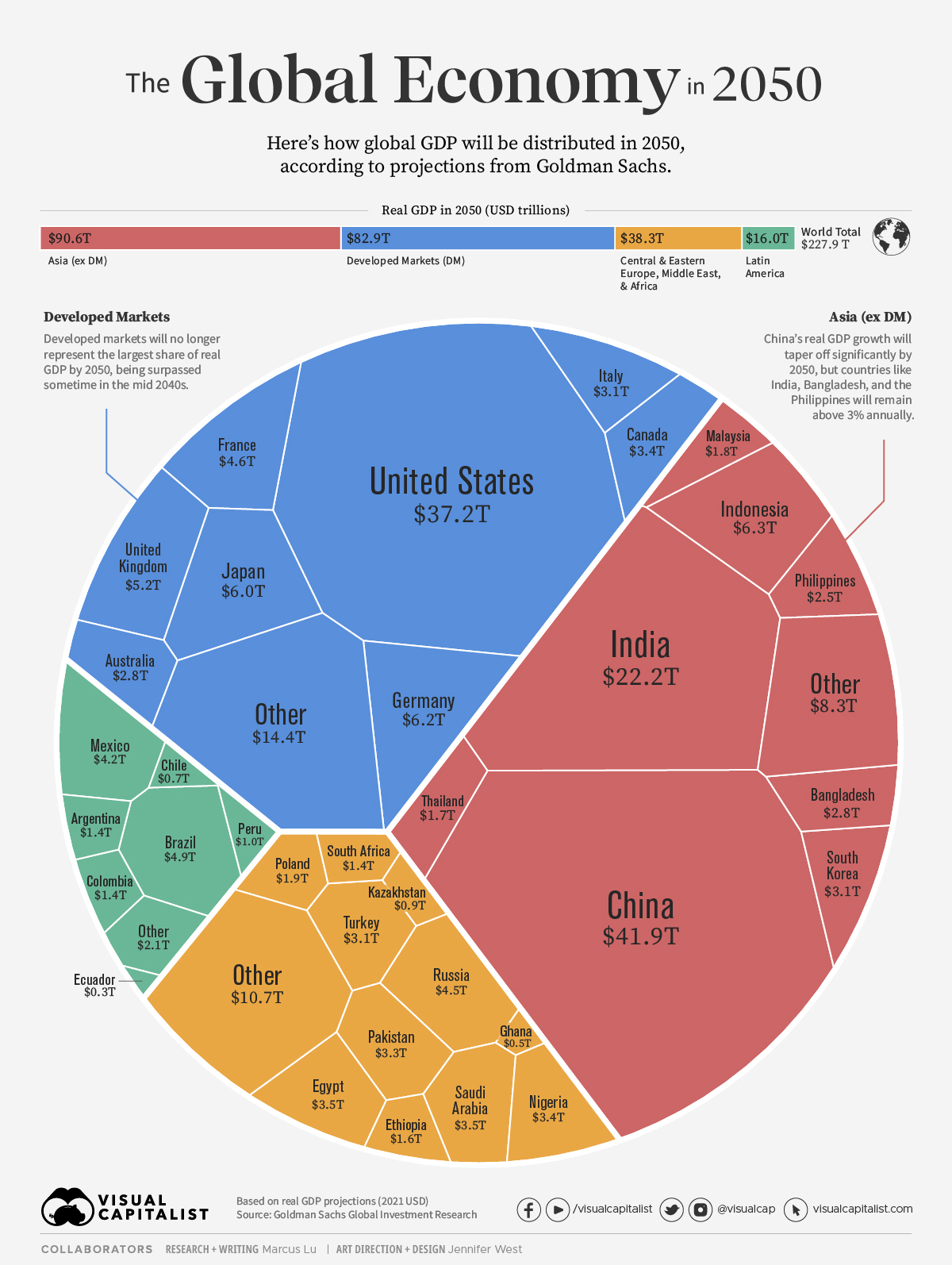
Similarly, China is projected to outperform consensus economic growth expectations, with AI-related advances contributing to a forecasted GDP growth rate closer to 5% than 4% in 2026. Conversely, the euro area is expected to see more muted growth near 1%, reflecting less pronounced AI dynamics but offset by increased defense and infrastructure spending.
Economic and Workforce Transformation
The AI boom is not just about economic growth but also about profound workforce transformation. A Boston Consulting Group (BCG) study highlights that AI could impact up to 40% of all work hours globally through generative AI and automation, especially by phasing out repetitive digital tasks. Consequently, many workers will need reskilling to transition into AI-enabled roles, with 60% of talent requiring upskilling over the next two to five years. Importantly, jobs requiring AI skills tend to offer higher wages—up to 28% more—indicating a significant economic opportunity for workers who adapt.
BCG also notes that while startups are innovating rapidly, traditional industries such as automotive and energy are beginning to realize value from AI adoption. For example, energy companies integrating AI into operations can see incremental profits, boosting broader state GDPs.
Enterprise Impact and Innovation
A 2025 McKinsey global survey reveals that while enterprise-wide earnings before interest and taxes (EBIT) impacts from AI are still emerging, many companies report specific cost savings and revenue increases linked to AI use cases. These benefits are particularly notable in sectors such as software engineering, manufacturing, marketing, sales, corporate finance, and product development.
Organizations that adopt ambitious AI strategies—referred to as "AI high performers"—tend to see the most significant benefits. These companies pursue transformative innovation, redesign workflows, scale AI faster, and invest heavily in AI transformation best practices. Such strategic approaches correlate with an EBIT impact of 5% or more attributed to AI.
Risks and the Consequences of a Faltering AI Boom
Despite the optimism, concerns about the sustainability of the AI-driven economic boom persist. Financial markets currently exhibit exuberance that might be fragile given ongoing global megatrends such as inflationary pressures, geopolitical tensions, and supply chain disruptions. If AI investment slows or fails to deliver broad-based productivity gains, economic growth could decelerate sharply.
Moreover, the labor market might face dislocations if workforce reskilling efforts fall short. Policymakers are responding with proposals to more closely monitor AI’s impact on jobs. For example, U.S. Senators recently introduced legislation to require companies and federal agencies to report AI-related employment data, aiming to better understand and manage AI’s workforce implications.
Environmental considerations also emerge as AI infrastructure expands. Data centers powering AI consume significant water and energy resources, posing sustainability challenges requiring careful management.
Context and Implications
The AI boom represents one of the most transformative technological shifts of the 21st century, with the potential to reshape industries, labor markets, and economies globally. The United States, as a leader in AI innovation and deployment, is well-positioned to capitalize on these changes but must navigate risks related to economic volatility, workforce adaptation, and sustainability.
China’s rapid AI advancement suggests increasing competition and a rebalancing of global economic power. Meanwhile, regions like Europe may lag somewhat behind due to slower AI integration but are offsetting this with strategic investments.
Ultimately, the trajectory of the AI boom will depend on sustained innovation, effective policy frameworks, and successful workforce transitions. The stakes are high: failure to maintain momentum could stall economic growth and exacerbate social inequalities, while successful navigation could usher in a new era of productivity and prosperity.


