
AI Development Accelerates Amid US-China Tech Rivalry
AI development accelerates, driven by US-China rivalry, reshaping industries and geopolitics. Challenges include safety, bias, and workforce impact.
AI Is Accelerating at a Rapid Speed: The Technological Race Redefining the Future
Artificial Intelligence (AI) development is advancing at unprecedented velocity, with breakthroughs and innovations emerging faster than ever before. This rapid acceleration is not just about software improvements but also involves an exponential increase in computational power and strategic global competition, particularly between the United States and China. This technological sprint is reshaping industries, economies, and geopolitical landscapes worldwide.
The Current Landscape of AI Acceleration
The pace of AI progress has been described as "literally accelerating," underscoring how improvements in AI capabilities are outstripping previous expectations. This acceleration stems from several factors:
-
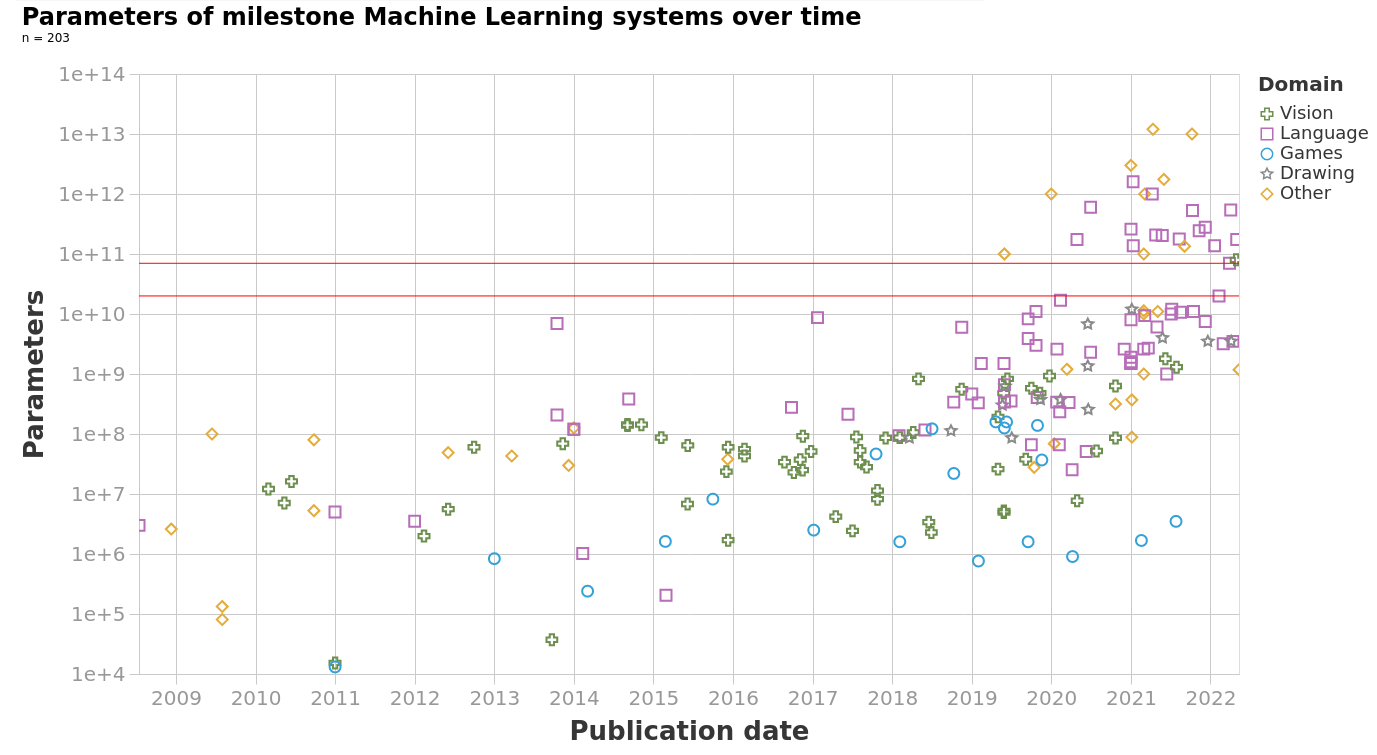
Exponential Growth in Computing Power: AI models today require massive computational resources. Companies like OpenAI and Google are investing billions to build and train increasingly complex models using state-of-the-art chips and cloud infrastructure.
-
Advances in AI Architecture and Algorithms: New AI models are not only bigger but also architecturally more efficient. Innovations such as transformer models have revolutionized natural language processing and computer vision.
-
Data Availability: The abundance of data generated daily feeds AI training, enabling models to learn from vast, diverse datasets.
However, experts caution that this rapid pace might face challenges. Helen Toner, Executive Director of Georgetown’s Center for Security and Emerging Technology (CSET), highlights a critical uncertainty: whether continued investment in computing power alone will sustain AI's performance gains. “If performance plateaus despite all the spending by OpenAI and others—a growing concern in Silicon Valley—China has a chance to compete,” Toner explains.
The Geopolitical Dimension: The AI Cold War
The acceleration of AI technology is not just a matter of innovation but also a strategic contest with significant geopolitical implications. The U.S. and China are engaged in what some analysts term an "AI Cold War," a competition to dominate the future of technology and economic power.
-
United States: Home to leading AI firms like OpenAI, Google DeepMind, and Microsoft, the U.S. leads in innovation, research, and commercialization of AI technologies.
-
China: With massive government investment and a thriving tech ecosystem, China is rapidly closing the gap. Its strategic focus on AI as a national priority aims to achieve parity or surpass the U.S. in critical AI capabilities.
This rivalry drives faster AI development cycles, increased funding, and a race for talent and resources. It also raises concerns about AI governance, ethical standards, and the potential for AI-enabled military applications.
Industry and Economic Impact
AI's acceleration is transforming multiple sectors:
-
Healthcare: AI-powered diagnostics, drug discovery, and personalized medicine are advancing rapidly, promising improved patient outcomes.
-
Finance: Algorithmic trading, fraud detection, and risk assessment are becoming more sophisticated and efficient.
-
Manufacturing and Automation: AI-enhanced robotics and predictive maintenance are revolutionizing production lines.
-
Consumer Technology: From virtual assistants to recommendation engines, AI is becoming embedded in everyday products and services.
The rapid advancement also fuels new startups and innovation hubs globally, increasing competition and collaboration across borders.
Challenges and Ethical Concerns
Despite the benefits, the accelerated pace raises significant challenges:
-
Safety and Robustness: Faster development cycles may outpace the ability to fully test AI systems for reliability and security.
-
Bias and Fairness: AI systems trained on large datasets may perpetuate or amplify societal biases.
-
Regulation and Control: Governments and international bodies struggle to keep pace with technology to create effective oversight.
-
Workforce Displacement: Automation threatens jobs in many sectors, requiring proactive strategies for workforce transition.
Visualizing AI's Rapid Acceleration
Recent reports and analyses often illustrate this acceleration with charts showing AI model size and performance doubling in shorter cycles than Moore’s Law for computing hardware. Visuals of AI chip designs, data center expansions, and global AI research hubs underscore the scale of investment and infrastructure fueling this growth.
Looking Ahead
AI’s rapid acceleration is a defining feature of the current technological era. While breakthroughs continue to emerge, the path forward involves balancing innovation with caution. The strategic competition between the U.S. and China will shape not only technological capabilities but also global power structures.
Understanding this landscape is essential for policymakers, industry leaders, and the public to navigate the opportunities and risks AI presents. As Helen Toner notes, the trajectory of AI development is still uncertain, and the next breakthroughs could come from unexpected directions.


