
AI-Driven Automation Becomes Critical Infrastructure for Modern Cybersecurity Operations
Cybersecurity professionals now view AI-powered automation as essential for defending against evolving threats. Industry consensus highlights the necessity of intelligent systems to manage threat detection, response, and mitigation at scale.
AI-Driven Automation Becomes Critical Infrastructure for Modern Cybersecurity Operations
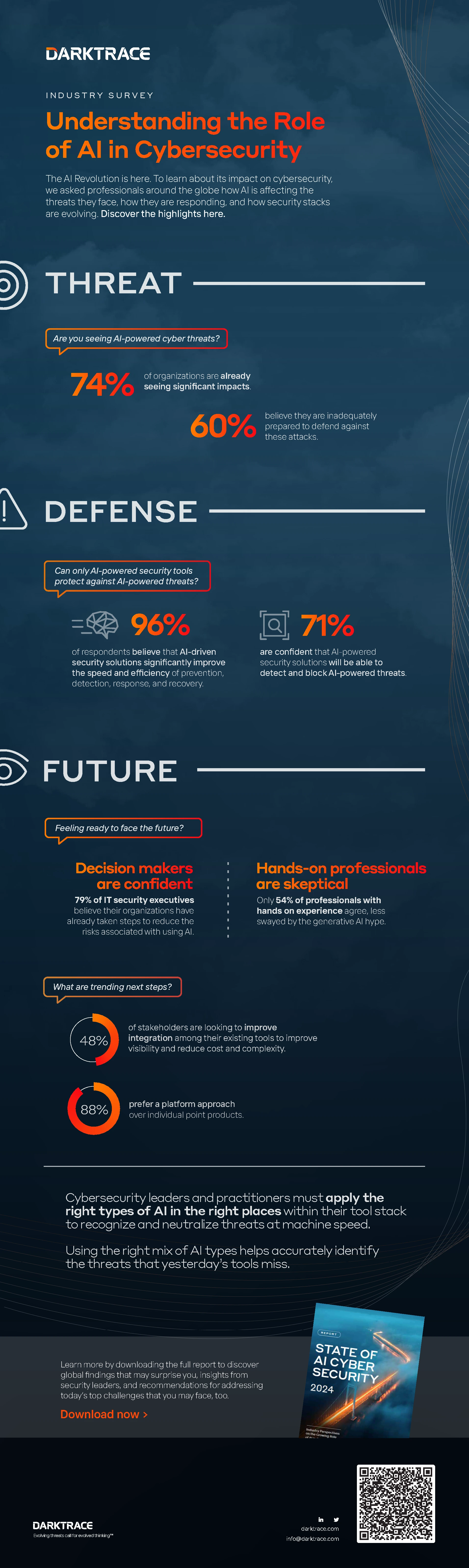
Cybersecurity teams across enterprises now regard AI-driven automation as indispensable rather than optional. As threat landscapes grow exponentially more complex, security operations centers (SOCs) are turning to intelligent systems to manage detection, investigation, and response workflows that would be impossible to execute manually at scale.
The shift reflects a fundamental change in how organizations approach defense. Traditional security models relied on human analysts to identify and respond to threats—a model that has become untenable given the volume and sophistication of modern attacks. AI-powered automation bridges this gap by processing vast datasets, identifying anomalies, and initiating response protocols in milliseconds.
The Operational Imperative
Security teams face mounting pressure from multiple directions. Threat actors continuously evolve their tactics, deploying polymorphic malware and zero-day exploits that evade signature-based detection. Meanwhile, the sheer volume of security events—millions daily in large enterprises—exceeds human analytical capacity.
AI automation addresses these constraints through:
- Continuous threat monitoring across networks, endpoints, and cloud infrastructure without fatigue or blind spots
- Rapid threat classification that distinguishes genuine security incidents from false positives, reducing alert fatigue
- Automated response workflows that contain threats before they propagate, minimizing dwell time and damage
- Pattern recognition that identifies sophisticated attack chains humans might miss
Reshaping Security Workforce Dynamics
The integration of AI automation is simultaneously transforming cybersecurity careers. Rather than eliminating security roles, the technology is shifting job functions toward higher-value work. Analysts spend less time on routine alert triage and more time on threat hunting, forensic investigation, and strategic defense planning.
Organizations report that automation allows experienced security professionals to focus on complex incident analysis and threat intelligence synthesis—work that requires human judgment, creativity, and contextual understanding. Entry-level positions are evolving to emphasize skills in AI system management, machine learning model validation, and automation workflow optimization.
Implementation Realities
Deploying AI automation effectively requires more than purchasing tools. Security teams must:
- Establish baseline metrics to measure automation effectiveness and identify improvement areas
- Integrate multiple data sources to provide AI systems with comprehensive visibility
- Validate model accuracy continuously to prevent both false negatives and excessive false positives
- Maintain human oversight for critical decisions, particularly those involving system access or incident escalation
The most mature security organizations treat AI automation as a collaborative framework—intelligent systems handle high-volume, pattern-based tasks while human experts provide judgment, strategy, and accountability.
Strategic Considerations
Budget allocation is shifting accordingly. Organizations increasingly invest in automation platforms, machine learning infrastructure, and staff training rather than expanding analyst headcount. This reflects recognition that scaling security through hiring alone is neither economically viable nor operationally effective.
However, successful implementation demands careful planning. Security leaders emphasize that automation without proper governance creates new risks—poorly configured systems can miss genuine threats or trigger unnecessary escalations that undermine confidence in security operations.
Looking Forward
The consensus among cybersecurity professionals is clear: AI-driven automation is no longer a competitive advantage but a baseline requirement. Organizations that fail to implement intelligent automation risk falling behind in threat detection and response capabilities.
The question for security leaders is no longer whether to adopt AI automation, but how to implement it effectively while maintaining human expertise, ensuring transparency, and preserving accountability in security operations.
Key Sources
- Industry cybersecurity operations research on automation adoption and SOC efficiency metrics
- Workforce analysis examining career evolution in security roles following automation deployment
- Technical documentation on AI-driven threat detection and response system architecture


