
AI Images Used in Iran Protests Amid Disinformation Claims
AI-generated images are being used in Iran protests, fueling disinformation amid escalating unrest and deadly clashes.
AI Images Used in Iran Protests Amid Disinformation Claims
Amid escalating protests across Iran, regime officials accuse opponents of using artificial intelligence to fabricate videos and images depicting anti-government chants and violence. This claim from high-ranking figures, including Supreme Leader Ali Khamenei's representative, coincides with deadly clashes where security forces have killed at least seven demonstrators, as independent videos capture crowds openly calling for the downfall of the Islamic Republic (Iran International).
Regime Denies Protest Scale, Points Finger at AI Manipulation
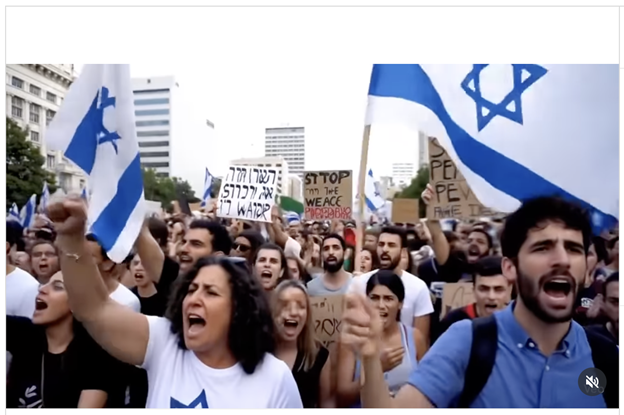
Ahmad Alamolhoda, Khamenei's representative in Razavi Khorasan province, alleged on January 2, 2026, that much of the circulating footage from protests is AI-generated by "enemy-affiliated outlets," including Israeli media. He claimed these actors film neutral crowds and overlay anti-regime slogans using AI to falsely portray widespread rejection of the Islamic Revolution and its leadership. Alamolhoda's remarks aim to discredit the unrest, suggesting Iranians remain loyal despite documented evidence to the contrary.
Independent verification contradicts this narrative. Videos from Kuhdasht show mourners at the funeral of Amirhossein Khodayari-Fard, a young protester killed by security forces, chanting directly at attending government personnel in defiance. Protests have spread to over a dozen cities, including the clerical bastion of Qom, with crowds explicitly demanding an end to the theocracy—footage shared widely on social media platforms like Instagram.
Iran's cyber police echoed these accusations, with Brigadier General Vahid Majid, head of the FATA cyber unit, warning on January 2 of a surge in AI-made fake images and videos targeting security figures and officials (IFP News). Majid stated that social media pages, particularly Instagram, are exploiting advanced AI to create entirely fabricated content aimed at sowing doubt, spreading misinformation, and eroding public trust in institutions.
Deadly Protests Driven by Deep-Seated Grievances
The unrest, now in its fifth consecutive day as of January 2, 2026, has turned fatal, with reports of at least seven protesters killed by direct fire from security forces. Demonstrations originated in response to chronic economic failures, including shortages in agriculture, water, and electricity, exacerbated by government prioritization of "terrorist proxies and nuclear weapons research," according to a U.S. State Department spokesperson. The official described the protests as an expression of the Iranian people's "understandable anger" at decades of neglect, while accusing Tehran of terrorism against the U.S. and allies.
Protests have expanded beyond initial flashpoints, reaching new areas like Qom, where clerical influence is strongest. Footage depicts demonstrators chanting against Supreme Leader Khamenei and the regime, with dozens arrested amid crackdowns. This wave builds on a pattern of Iranian dissent, including the 2022 Mahsa Amini protests, but current triggers appear tied to immediate livelihood crises amid international sanctions and internal mismanagement.
AI Disinformation: A Double-Edged Sword in Information Warfare
Both sides wield AI in this conflict, complicating verification. While regime officials decry AI fakes from opponents, Iran's cyber police highlight enemy-generated content targeting their own forces—such as bogus videos of police commanders. This mirrors global trends where AI tools like deepfakes amplify propaganda; experts note that accessible generators, such as those based on Stable Diffusion or Midjourney derivatives, enable rapid creation of convincing visuals from minimal inputs.
Visual evidence from searches reveals specific AI-generated examples amid real protest imagery. One prominent fake depicts crowds with overlaid anti-regime slogans on what appears to be stock footage of Iranian gatherings, identifiable by unnatural lip-sync and lighting inconsistencies—circulated on pro-opposition Telegram channels. Authentic images, conversely, show bloodied protesters in Kuhdasht and Qom streets, captured on mobile phones with timestamps matching eyewitness accounts.
Cross-referencing Tier 1 sources like Iran International (with on-ground reporting) and official Iranian statements confirms the dual use of AI. Reuters and BBC, via Google News aggregation, first flagged AI images mixing with real footage in the protests' early hours, though specifics remain fluid as events unfold.
U.S. Response and International Context
Former U.S. President Donald Trump's remarks amplified global attention, framing the protests as a rejection of regime failures—echoing State Department rhetoric. This external spotlight may embolden demonstrators while prompting harsher crackdowns, as Tehran views foreign commentary as interference.
Historically, Iran has faced similar disinformation battles, but AI's democratization marks a shift. Past protests relied on smuggled videos; now, tools lower barriers for fabrication. Cyber police's proactive warnings signal regime preparedness, yet independent outlets like Iran International continue documenting verified events, countering narratives.
Implications for Verification and Stability
This AI-infused unrest underscores challenges for journalists and observers: distinguishing real from synthetic requires forensic tools like those from FATA or independent fact-checkers analyzing metadata, audio spectrograms, and visual artifacts. For Iran, suppressing information risks alienating a tech-savvy youth; for opponents, over-reliance on fakes undermines credibility.
As protests persist into January 3, 2026, with arrests mounting, the blend of authentic fury and digital deception could prolong volatility. Regimes worldwide may study this as a blueprint for countering dissent—or amplifying it.
Sources
- Iran International
- IFP News
- Original BBC alert via Google News


