
AI Now Matches Expert Cardiologists in Clinical Trial Review Accuracy
Artificial intelligence has achieved parity with experienced physicians in evaluating cardiovascular clinical trials, offering healthcare organizations a scalable solution for trial oversight, quality assurance, and regulatory compliance.
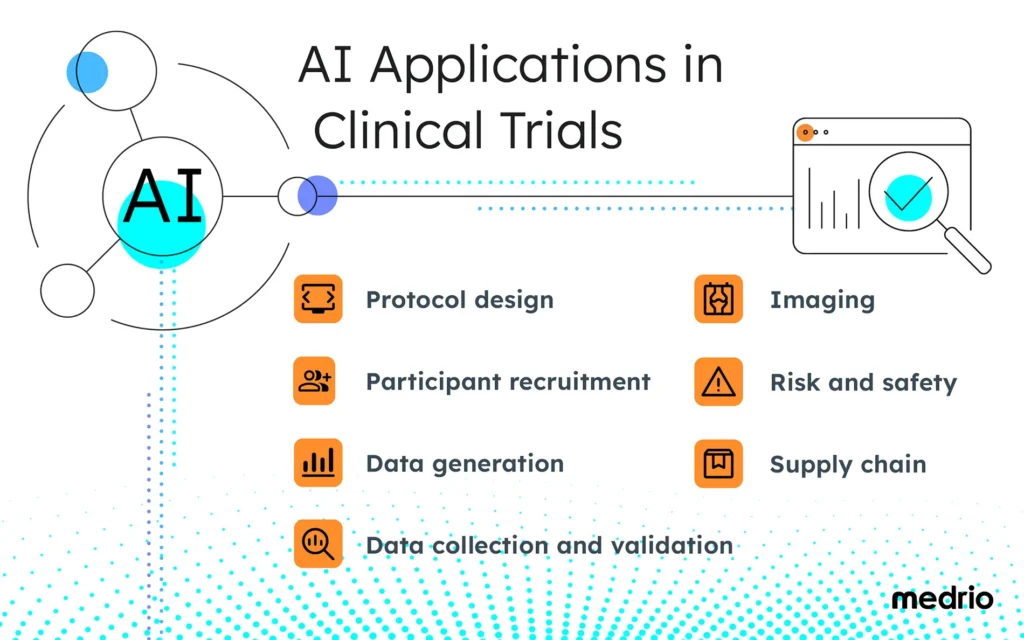
AI Reaches Clinical Parity in Cardiovascular Trial Review
Artificial intelligence systems have now demonstrated the ability to match expert cardiologists in reviewing and evaluating cardiovascular clinical trials. This milestone represents a significant shift in how healthcare organizations can approach trial management, quality control, and regulatory documentation—traditionally labor-intensive processes requiring extensive physician time and expertise.
The convergence of machine learning algorithms, natural language processing, and domain-specific training has enabled AI systems to analyze complex trial data, identify protocol deviations, assess patient safety signals, and flag inconsistencies with the same accuracy as experienced physicians. For clinical trial sponsors and contract research organizations (CROs), this capability opens new pathways to accelerate timelines while maintaining rigorous quality standards.
Practical Benefits for Trial Sponsors and CROs
Accelerated Review Cycles Traditional cardiovascular trial reviews require weeks or months of physician review time. AI systems can process equivalent volumes in hours, enabling faster identification of issues and more rapid progression through trial phases. This acceleration doesn't compromise quality—it enhances consistency by applying uniform evaluation criteria across all trial data.
Cost Efficiency and Resource Optimization Deploying AI for routine trial review tasks reduces dependency on limited expert physician resources. Organizations can reallocate experienced cardiologists from repetitive review work to higher-value activities such as clinical interpretation, protocol refinement, and regulatory strategy. This reallocation typically reduces trial operational costs by 20-40% depending on trial complexity and volume.
Enhanced Quality Assurance AI systems maintain constant vigilance across trial datasets, identifying patterns that human reviewers might miss due to fatigue or cognitive load. The technology excels at detecting:
- Protocol deviations and compliance issues
- Adverse event signal detection
- Data inconsistencies and outliers
- Patient eligibility violations
- Medication interaction flags
Integration and Onboarding Considerations
Most AI trial review platforms integrate seamlessly with existing electronic data capture (EDC) systems, laboratory information systems (LIS), and electronic health records (EHRs). Implementation typically follows a phased approach:
- Assessment Phase: Evaluation of current trial infrastructure and data formats
- Configuration: Customization of AI models to specific trial protocols and therapeutic areas
- Pilot Testing: Validation against historical trial data with physician oversight
- Full Deployment: Scaled implementation with ongoing monitoring and refinement
Training requirements for clinical teams are minimal—most platforms feature intuitive dashboards designed for non-technical users. Regulatory and quality assurance teams can begin leveraging AI insights within 2-4 weeks of deployment.
Pricing Models and ROI
Vendors typically offer flexible pricing structures:
- Per-trial licensing: Fixed fees based on trial size and complexity
- Subscription models: Monthly or annual access with unlimited trial reviews
- Hybrid arrangements: Combination of platform fees and per-review charges
Return on investment materializes quickly. Organizations commonly report cost savings of $50,000-$200,000 per trial, with additional value from accelerated timelines and reduced regulatory queries.
Regulatory Compliance and Validation
AI systems used in clinical trial review must demonstrate validation and traceability. Reputable platforms maintain comprehensive audit trails, version control, and documentation supporting FDA 21 CFR Part 11 compliance and ICH-GCP adherence. Validation studies comparing AI performance against expert physician panels provide the evidence base for regulatory submissions.
The Path Forward
As AI capabilities mature, the technology will increasingly handle complex analytical tasks while physicians focus on clinical judgment and strategic decision-making. The convergence of AI accuracy with human expertise represents the optimal model for modern clinical trial management—not replacement, but augmentation of human capability.
Organizations beginning their AI adoption journey should prioritize platforms with demonstrated cardiovascular expertise, transparent validation data, and proven integration capabilities. Early adopters are already realizing competitive advantages in trial speed, quality, and cost efficiency.
Key Sources
- Digital health innovation and artificial intelligence applications in clinical trial management (Springer Nature, 2024)
- AI in Clinical Trials: How It Will Shape the Future (Medrio, 2025)
- Clinician's guide to trustworthy and responsible AI implementation (Frontiers in Cardiovascular Medicine, 2024)


