
AI Shapes Future of Education: Preparing Children for Change
AI is transforming education, requiring new skills like critical thinking and creativity. Schools and parents must adapt to prepare children for this future.
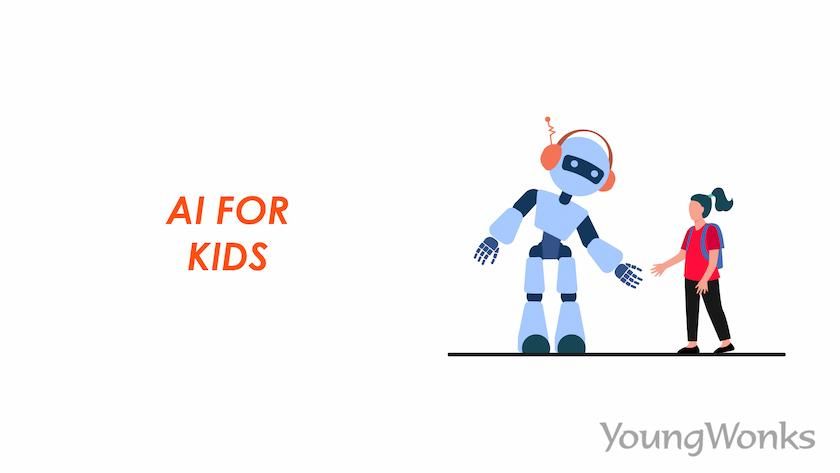
Preparing Children for the AI Revolution: Navigating Education in an Era of Intelligent Machines
As artificial intelligence (AI) increasingly integrates into daily life and education, parents and educators face a critical challenge: how to prepare children for a future shaped by AI technologies. The AI revolution promises profound changes in how children learn, work, and interact with information, requiring new skills and approaches to education. Recent discussions, including a New York Times opinion piece and insights from global experts, highlight strategies to equip kids with the tools they need to thrive amid this transformation.
The AI Revolution in Education
AI-powered tools are rapidly altering traditional education paradigms. Schools around the world, especially well-funded private and international institutions, are adopting AI-driven software to personalize learning experiences. For example, a selective private school in Austin, Texas, uses AI extensively: students spend significant time learning core subjects like reading and math through adaptive AI platforms, while the remainder of the day focuses on practical skills such as entrepreneurship and financial literacy under the mentorship of coaches rather than conventional teachers.
Beyond structured learning, AI also plays a vital role in supporting children facing unique challenges. For instance, expat children adapting to new languages and educational systems benefit from AI apps that translate instructions and customize lessons to their proficiency levels. This targeted assistance not only helps them keep pace academically but also rebuilds confidence and engagement in class discussions.
Key Skills for an AI-Driven Future
The integration of AI in education demands a shift in the skill sets children must develop. Experts emphasize the importance of fostering critical thinking, creativity, and adaptability—skills that AI cannot easily replicate.
-
Critical Thinking: With AI generating vast amounts of information, children must learn to evaluate sources, question the origin of data, and verify facts independently. Encouraging kids to ask, “Where does this information come from?” or “Can I find this in multiple trustworthy places?” helps prevent intellectual passivity and builds a foundation for lifelong learning.
-
Creativity and Problem Solving: AI can handle routine tasks and data analysis, but creative problem-solving remains a human strength. Schools are increasingly incorporating project-based learning, entrepreneurship, and arts education alongside AI tools to nurture innovation.
-
Digital Literacy and AI Fluency: Understanding how AI works, its capabilities, and limitations is crucial. Early exposure to AI concepts demystifies the technology and prepares children to use AI ethically and effectively.
Challenges and Concerns
Despite the benefits, parents express concerns about over-reliance on AI potentially diminishing children’s intellectual engagement. A Massachusetts Institute of Technology (MIT) study highlighted neurological and behavioral differences between students who relied on AI for writing essays and those who did not, raising questions about the impact of AI on cognitive development.
Additionally, equitable access to AI-based educational tools remains a challenge, with disparities between well-funded and resource-poor schools. Addressing these gaps is essential to prevent widening educational inequalities.
Practical Steps for Parents
To prepare children for the AI revolution, parents can take proactive measures:
-
Encourage Active Learning: Motivate children to use AI as a tool for exploration rather than a shortcut. Promoting curiosity and inquiry helps maintain engagement.
-
Teach Source Verification: Guide children in cross-checking information they receive from AI systems, emphasizing the importance of credible sources.
-
Balance Screen Time: Ensure AI usage complements traditional learning and social interaction, preventing dependence on technology.
-
Promote Emotional Intelligence: Cultivate skills like empathy, communication, and teamwork, which remain distinctly human and crucial in an automated world.
Broader Implications
The AI revolution in education is not merely about technology adoption but reshaping how society prepares the next generation for an uncertain future. As AI continues to evolve, education systems must balance leveraging AI’s benefits with safeguarding and enhancing human cognition and creativity.
Governments, educators, and families must collaborate to create inclusive policies and curricula that integrate AI responsibly. This includes investing in teacher training, developing ethical AI guidelines, and ensuring all children have access to AI-enhanced learning opportunities.
Visual Context
Relevant images illustrating this topic include:
- Screenshots of AI-powered educational platforms used in classrooms, showcasing adaptive learning interfaces.
- Photos of children engaging with AI tutors or software in a school setting.
- Infographics depicting how AI supports language learning and personalized education.
- Portraits of educators and thought leaders advocating for AI literacy and critical thinking in schools.
These visuals help contextualize the evolving landscape of education amid the AI revolution and underscore the human-technology collaboration central to preparing future generations.
In summary, preparing children for the AI revolution requires a thoughtful blend of embracing AI’s educational potential while fostering essential human skills like critical thinking, creativity, and emotional intelligence. By adopting balanced strategies that integrate AI responsibly, parents and educators can empower children to navigate and shape an AI-infused world confidently and ethically.


