
Amazon's Autonomous Warehouse Strategy: How AI and Robotics Are Reshaping Logistics Jobs
Amazon is accelerating its deployment of autonomous robots and AI systems in warehouses, signaling a fundamental shift in how the company manages labor and operations. The strategy raises critical questions about workforce displacement and the future of logistics employment.
Amazon's Autonomous Warehouse Strategy: How AI and Robotics Are Reshaping Logistics Jobs
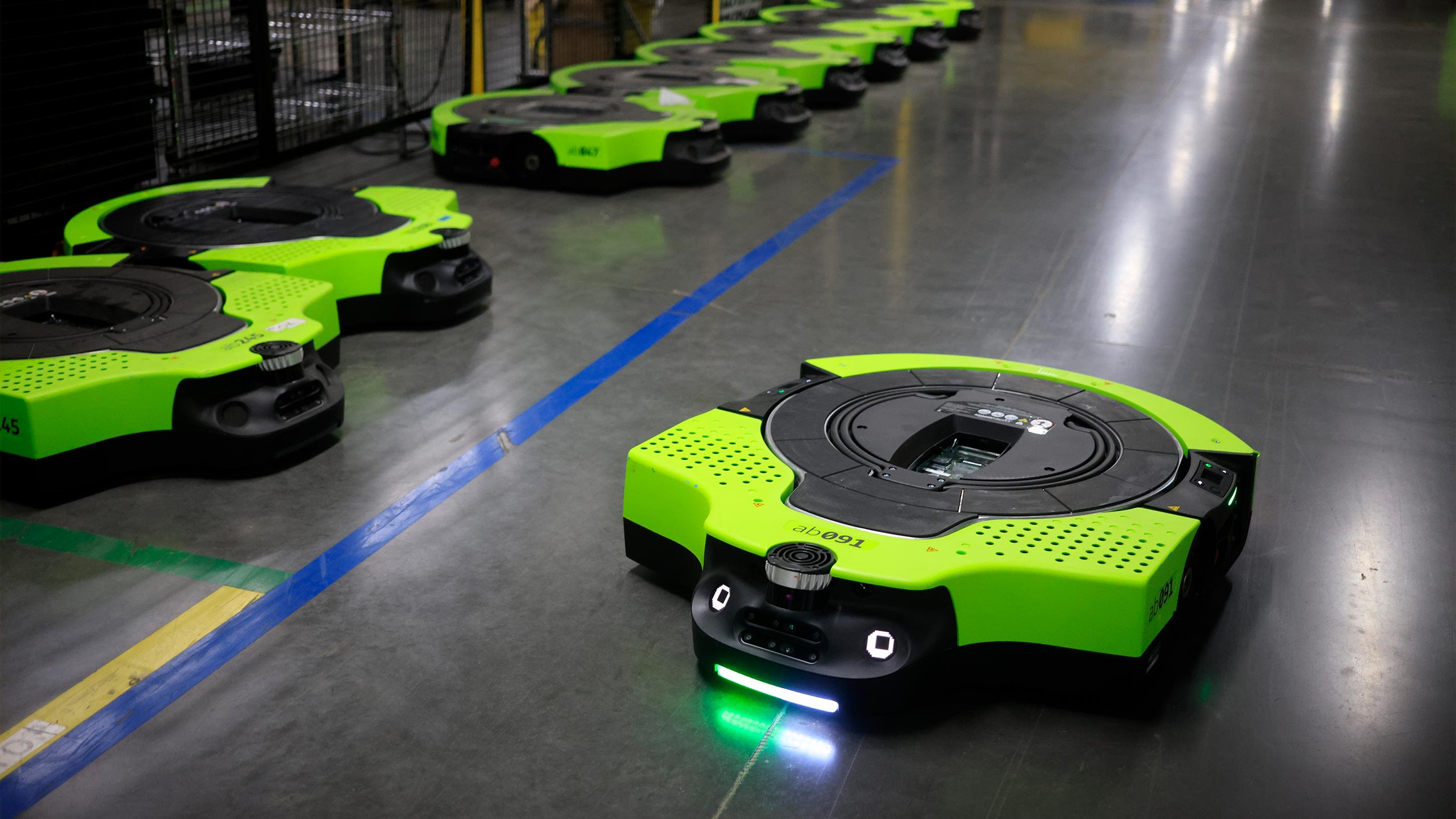
Amazon is systematically deploying autonomous robots and artificial intelligence systems across its warehouse network, marking a strategic pivot toward automation that threatens to displace hundreds of thousands of warehouse workers globally. The company's investment in robotics—particularly its Proteus autonomous mobile robot—represents not just an operational upgrade, but a fundamental restructuring of how modern logistics operates.
The Proteus Initiative and Warehouse Automation
Amazon's Proteus robot exemplifies the company's automation ambitions. Unlike earlier robotic systems that required human handlers, Proteus operates fully autonomously, navigating warehouse floors without safety cages or human supervision. The robot handles repetitive material transport tasks that have traditionally employed vast numbers of warehouse staff.
The deployment accelerates a trend that began with Amazon's 2012 acquisition of Kiva Systems (now Amazon Robotics). What started as a limited pilot program has evolved into a comprehensive automation strategy affecting multiple fulfillment centers worldwide. Amazon now operates thousands of robotic units across its network, with plans for significant expansion.
Implications for Warehouse Workers
The human cost of this transition remains substantial:
- Job displacement: Amazon's warehouse workforce, which peaked at over 500,000 employees in 2021, faces potential significant reductions as autonomous systems assume core functions
- Wage pressure: Remaining warehouse positions may see reduced compensation as the labor supply exceeds demand
- Skill gaps: Workers lack training pathways to transition into higher-skilled technical roles managing autonomous systems
- Geographic concentration: Automation benefits concentrate in logistics hubs while displacing workers in communities dependent on warehouse employment
Amazon has publicly committed to retraining programs, though critics argue these initiatives reach only a fraction of affected workers and often require relocation or credential investments workers cannot afford.
Technical Architecture and Operational Benefits
From an operational standpoint, autonomous warehouse systems deliver measurable advantages:
- 24/7 operations: Robots eliminate shift constraints, enabling continuous warehouse activity
- Injury reduction: Autonomous systems handle physically demanding tasks, potentially reducing workplace injuries
- Throughput optimization: AI-driven logistics algorithms improve inventory management and order fulfillment speed
- Cost efficiency: While initial capital investment is substantial, per-unit handling costs decline significantly over time
Amazon's AI systems now predict demand patterns, optimize bin placement, and coordinate multi-robot workflows—tasks requiring human judgment just years ago.
The Broader Industry Trajectory
Amazon's strategy isn't isolated. Competitors including DHL, Walmart, and emerging logistics startups are pursuing similar automation paths. Industry analysts project that warehouse automation will accelerate through 2030, with autonomous systems handling 40-50% of material handling tasks in advanced facilities by decade's end.
This shift reflects broader economic forces: rising labor costs in developed markets, supply chain vulnerabilities exposed by pandemic disruptions, and technological maturation of autonomous systems. Companies view automation as essential competitive infrastructure rather than optional enhancement.
Workforce Transition Challenges
The transition presents unresolved policy questions:
- Retraining effectiveness: Current programs show mixed results in successfully transitioning warehouse workers to technical roles
- Geographic mismatch: Automation benefits concentrate in logistics hubs while displacing workers in economically vulnerable regions
- Income replacement: New roles often pay less than displaced warehouse positions
- Social safety net: Existing unemployment and retraining systems lack capacity for mass warehouse workforce displacement
Key Sources
- Amazon Robotics official announcements and Proteus deployment documentation
- Industry analysis from logistics and automation research firms tracking warehouse employment trends
- Labor economics research examining automation's impact on warehouse worker demographics and wages
Looking Forward
Amazon's warehouse automation strategy reflects a calculated bet that autonomous systems will ultimately prove more cost-effective and reliable than human labor at scale. Whether this transition occurs smoothly or creates significant economic disruption depends largely on policy decisions about worker support, retraining investment, and labor market adaptation that remain largely unmade.
The company's actions will likely establish templates for the broader logistics industry, making Amazon's automation choices consequential far beyond its own operations.


