
AMD and Google Eye Samsung's Texas Fab for Advanced 2nm Chip Manufacturing
AMD and Google are reportedly in discussions with Samsung about leveraging the company's Texas fabrication facility for next-generation 2nm semiconductor production, signaling a strategic shift in advanced chip manufacturing partnerships.
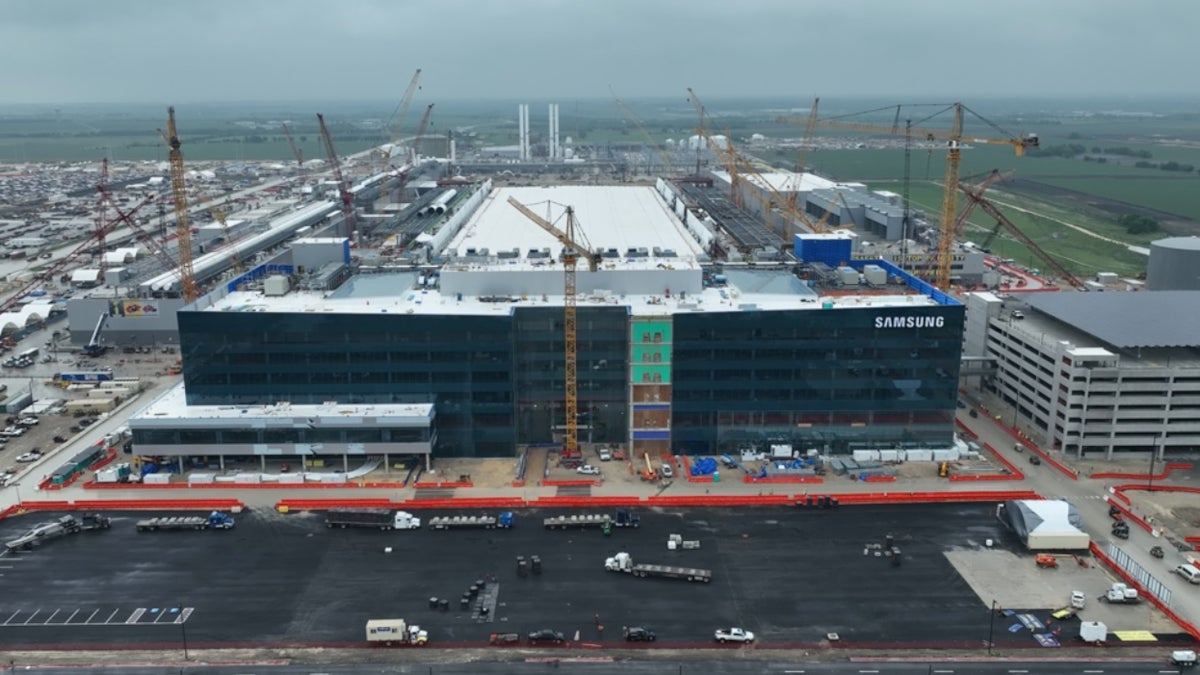
AMD and Google Target Samsung's Texas Fab for 2nm Production
AMD and Google are reportedly considering Samsung's fabrication facility in Taylor, Texas as a potential manufacturing hub for advanced 2nm semiconductor chips. The discussions represent a significant strategic move in the semiconductor industry, as both tech giants seek to diversify their chip production beyond traditional partners and secure capacity for next-generation processors.
The Strategic Opportunity
Samsung's Texas facility, which has received substantial government backing including a $6.4 billion subsidy from the U.S. government, positions itself as a critical asset for domestic semiconductor manufacturing. The fab is designed with the capacity to produce cutting-edge 2nm chips, aligning with AMD and Google's roadmaps for future processor architectures.
The partnership discussions underscore growing concerns about supply chain resilience and geopolitical dependencies in semiconductor manufacturing. By engaging with Samsung's U.S.-based facility, both companies would strengthen their access to advanced node production while supporting domestic manufacturing capabilities.
Samsung's Texas Infrastructure
Samsung's Taylor, Texas facility represents a $25 billion investment in American semiconductor manufacturing. The plant is scheduled to begin advanced chip production by 2026, with initial focus on 2nm and 3nm process nodes. Key aspects of the facility include:
- Production Capacity: Designed to manufacture high-volume advanced chips for data center and consumer applications
- Government Support: Received $6.4 billion in CHIPS Act funding to accelerate construction and operations
- Timeline: Expected to reach full operational status with 2nm production capability within the next two years
- Strategic Location: Positioned in Texas to leverage regional infrastructure and workforce development initiatives
Technical and Market Implications
The potential partnership carries significant implications for the semiconductor ecosystem. AMD's data center and consumer processor lines could benefit from additional 2nm manufacturing capacity, while Google's custom silicon efforts—including its Tensor processors and TPU accelerators—would gain access to advanced production nodes.
However, industry observers note that 2nm yield rates remain challenging. Samsung has previously reported yields in the 10-20% range for its 2nm process, which could impact production economics and timelines. Both AMD and Google would need to factor these yield considerations into their manufacturing strategies.
Competitive Landscape
This development reflects broader industry trends toward manufacturing diversification:
- TSMC Alternatives: Companies are increasingly seeking alternatives to Taiwan Semiconductor Manufacturing Company's dominance
- Geopolitical Hedging: U.S. and allied companies are prioritizing domestic and allied nation manufacturing
- Capacity Planning: Advanced node capacity remains constrained, making partnerships with emerging fabs strategically valuable
Key Sources
- Samsung's $25 billion Texas facility investment and government subsidy announcements
- Industry reports on 2nm yield rates and production timelines at Samsung's advanced fabs
- Strategic announcements from AMD and Google regarding chip manufacturing partnerships
The discussions between AMD, Google, and Samsung highlight the evolving dynamics of semiconductor manufacturing, where supply chain security, government incentives, and technical capability convergence are reshaping traditional partnerships and production strategies.
Looking Ahead
As the semiconductor industry navigates geopolitical tensions and supply chain vulnerabilities, partnerships like the potential AMD-Google-Samsung arrangement demonstrate how major technology companies are actively building redundancy into their manufacturing ecosystems. The success of Samsung's Texas facility in achieving competitive yields and volumes could establish it as a cornerstone of advanced chip production in North America.


