
Ant Group's LingGuang AI Coding App Reaches 1 Million Downloads in Record 4 Days
Ant Group's newly launched LingGuang AI coding assistant has achieved an unprecedented milestone, surpassing 1 million downloads within just four days of release. The rapid adoption underscores growing demand for intelligent development tools in China's tech ecosystem.
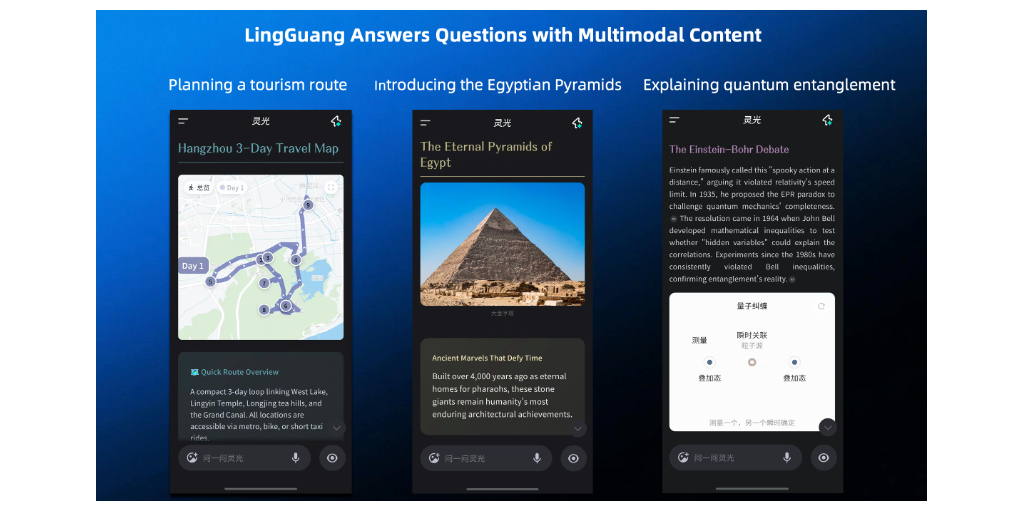
Ant Group's LingGuang Hits 1 Million Downloads in Record Time
Ant Group has achieved a remarkable milestone with its LingGuang AI coding application, reaching 1 million downloads within just four days of launch. The rapid adoption reflects the intense market demand for intelligent development tools and signals a significant shift in how developers approach code generation and application development.
What Is LingGuang?
LingGuang represents Ant Group's entry into the competitive AI-assisted coding space. The application functions as a multimodal AI assistant capable of generating complete applications and code solutions. According to available information, the platform can generate functional applications in approximately 30 seconds, positioning it as a high-speed alternative to traditional development workflows.
The tool leverages advanced language models to understand developer intent and translate requirements into executable code. This capability addresses a critical pain point in software development: the time-consuming nature of writing, testing, and debugging code from scratch.
Market Significance and Competitive Landscape
The four-day download milestone places LingGuang among the fastest-adopted developer tools in recent memory. This achievement occurs within China's increasingly competitive AI market, where multiple players are racing to establish dominance in code generation and development assistance.
Key factors driving adoption include:
- Developer-first approach: LingGuang targets professional developers and enterprises seeking productivity gains
- Multimodal capabilities: The platform's ability to process multiple input types enhances flexibility
- Speed advantage: 30-second application generation represents a substantial time savings
- Integration potential: As an Ant Group product, potential ecosystem integration with existing financial technology platforms
Technical Capabilities and Use Cases
LingGuang's architecture enables several practical applications for development teams:
- Rapid prototyping: Developers can quickly validate concepts and iterate on designs
- Boilerplate generation: Automatic creation of common code patterns and scaffolding
- Cross-platform development: Support for multiple programming languages and frameworks
- Enterprise integration: Potential deployment within organizational development pipelines
The platform's multimodal nature suggests support for both text and visual inputs, allowing developers to describe requirements through various mediums and receive corresponding code outputs.
Implications for the Development Community
The rapid adoption of LingGuang carries several implications for software development practices:
Productivity Enhancement: If the 30-second application generation claim holds across diverse use cases, developers could redirect significant time toward architecture, testing, and optimization rather than routine coding tasks.
Skill Democratization: Lower barriers to application creation could enable non-specialist developers to build functional software, though this raises questions about code quality and maintainability standards.
Enterprise Adoption: Organizations may increasingly integrate such tools into development workflows, necessitating new approaches to code review, security auditing, and quality assurance processes.
Market Context
The achievement occurs amid broader expansion of AI-powered development tools globally. The success of similar platforms internationally has demonstrated substantial market appetite for code generation assistance. LingGuang's rapid uptake in China suggests comparable demand exists in the world's second-largest economy.
Ant Group's position as a fintech giant provides unique advantages, including access to substantial computational resources, established developer relationships, and potential integration opportunities with existing platforms serving millions of users.
Looking Forward
The 1 million download milestone represents an important validation point for LingGuang's market viability. However, sustained success will depend on several factors: maintaining code quality standards, ensuring security and compliance, supporting diverse development scenarios, and continuing to innovate against competing solutions.
The rapid adoption also signals that the market for intelligent development assistance has matured beyond early-adopter phases. Mainstream developers increasingly view such tools as essential rather than experimental, reshaping expectations around development velocity and efficiency.
As LingGuang scales, its impact on development practices, team structures, and software quality standards will merit continued observation from industry analysts and development professionals alike.


