
AWS Launches Autonomous AI Agents Capable of Extended Coding Without Human Oversight
AWS has introduced a new generation of AI agents designed to autonomously handle complex coding tasks over extended periods, reducing the need for human intervention and accelerating software development cycles.
AWS Unveils Autonomous AI Agents for Extended Coding Operations
Amazon Web Services has introduced a breakthrough capability in its AI portfolio: autonomous agents engineered to perform sophisticated coding tasks over prolonged periods without requiring human intervention. This advancement represents a significant shift in how enterprises approach software development, testing, and infrastructure management at scale.
The new agents leverage AWS's foundational models and machine learning infrastructure to handle iterative coding workflows, debugging processes, and system optimization tasks. By operating autonomously, these agents can tackle complex programming challenges that traditionally demanded continuous developer oversight and manual code review cycles.
How the Technology Works
The autonomous coding agents function by combining several core AWS technologies:
- Foundation Models: Powered by models available through Amazon Bedrock, the agents understand code semantics, architectural patterns, and best practices
- Extended Context Windows: Enabling the agents to maintain awareness of large codebases and project requirements across extended execution periods
- Autonomous Reasoning: The agents can decompose complex tasks, identify dependencies, and execute solutions without waiting for human approval at each step
- Integration with AWS Services: Direct connectivity to AWS development tools, version control systems, and deployment pipelines
This architecture allows the agents to work continuously on assigned tasks, adapting their approach based on real-time feedback from testing frameworks and monitoring systems.
Enterprise Applications and Use Cases
Organizations can deploy these autonomous agents across several critical workflows:
Software Development: Agents can generate, refactor, and optimize code across multiple programming languages, reducing time-to-market for new features and services.
Infrastructure as Code: Automated generation and maintenance of CloudFormation templates, Terraform configurations, and other infrastructure definitions ensures consistency and compliance.
Testing and Quality Assurance: The agents can autonomously design test cases, execute comprehensive test suites, and identify edge cases that might escape human review.
Legacy System Modernization: Agents can systematically refactor older codebases, migrate between frameworks, and implement architectural improvements without manual intervention.
Security and Compliance: Autonomous agents can scan code for vulnerabilities, apply security patches, and ensure compliance with organizational policies across distributed repositories.
Technical Considerations
While the capability represents a significant advancement, enterprises should consider several factors when implementing autonomous coding agents:
- Governance Frameworks: Organizations need clear policies defining which tasks agents can execute autonomously versus those requiring human approval
- Monitoring and Observability: Continuous visibility into agent activities, decision-making processes, and outcomes is essential for maintaining control and identifying issues
- Cost Management: Extended autonomous operations require robust cost tracking and optimization mechanisms to prevent unexpected AWS billing
- Code Quality Standards: Agents must be configured to adhere to organizational coding standards, architectural patterns, and security requirements
Integration with Existing AWS Workflows
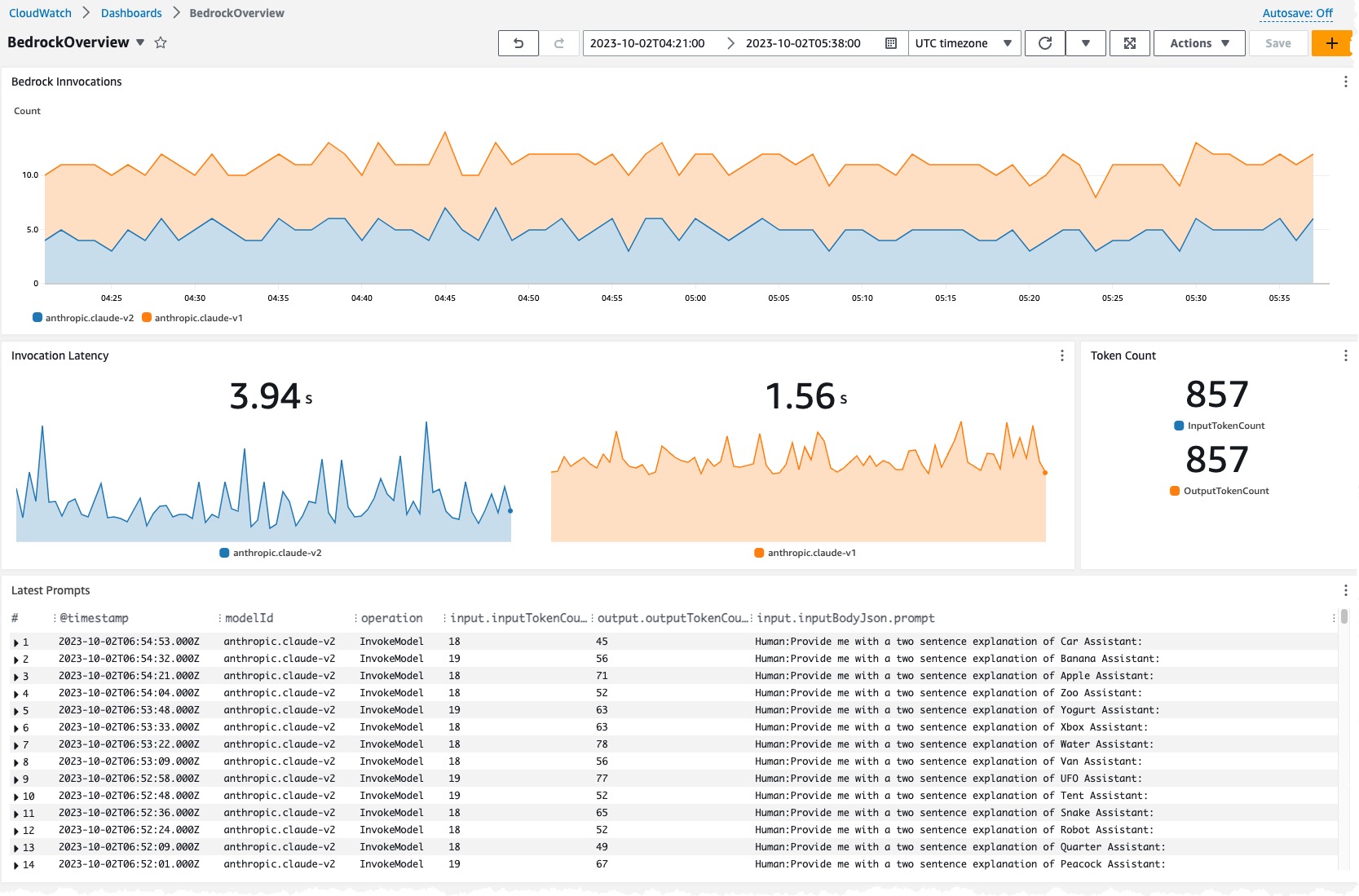
The autonomous agents integrate seamlessly with AWS's broader development ecosystem. Teams can monitor agent activities through Amazon CloudWatch, track performance metrics, and maintain audit trails for compliance purposes. Integration with AWS CodePipeline enables agents to participate in CI/CD workflows, while connections to Amazon CodeCommit ensure version control and collaboration capabilities remain intact.
Looking Forward
This capability signals AWS's commitment to advancing developer productivity through autonomous systems. As these agents mature, enterprises can expect expanded functionality, improved reasoning capabilities, and deeper integration with specialized development domains.
The introduction of autonomous coding agents represents a meaningful evolution in enterprise software development, offering organizations the potential to accelerate delivery cycles, improve code quality, and reallocate developer resources toward higher-level architectural and strategic work.
Key Sources
- AWS Bedrock Documentation and AI Agent Capabilities
- Amazon Web Services Developer Blog
- AWS re:Invent 2024 Announcements


