
Biotech Startup Deploys AI Platform to Combat Inflammation and Fibrosis
A biotech startup has unveiled an innovative AI-powered technology designed to accelerate drug discovery and development for inflammation and fibrosis-related diseases, marking a significant advancement in computational therapeutics.
Biotech Startup Deploys AI Platform to Combat Inflammation and Fibrosis
A biotech startup has introduced a cutting-edge AI technology platform specifically engineered to address two of the most challenging therapeutic areas: inflammation and fibrosis. The innovation represents a meaningful shift in how computational approaches can streamline drug discovery and identify novel treatment pathways for conditions that currently lack adequate therapeutic options.
The Challenge of Inflammation and Fibrosis
Inflammation and fibrosis represent interconnected pathological processes affecting millions globally. Chronic inflammatory conditions—from rheumatoid arthritis to inflammatory bowel disease—often progress to fibrotic complications, where excessive tissue scarring compromises organ function. Traditional drug discovery methods struggle with the complexity of these cascading biological processes, requiring years of research and billions in development costs to bring treatments to market.
Fibrosis, in particular, remains a significant unmet medical need. Whether pulmonary, cardiac, hepatic, or renal in nature, fibrotic diseases are characterized by progressive tissue remodeling that current therapeutics can only partially address. The interconnected signaling pathways driving both inflammation and fibrosis demand sophisticated analytical approaches that conventional screening methods cannot efficiently provide.
AI-Driven Drug Discovery Architecture
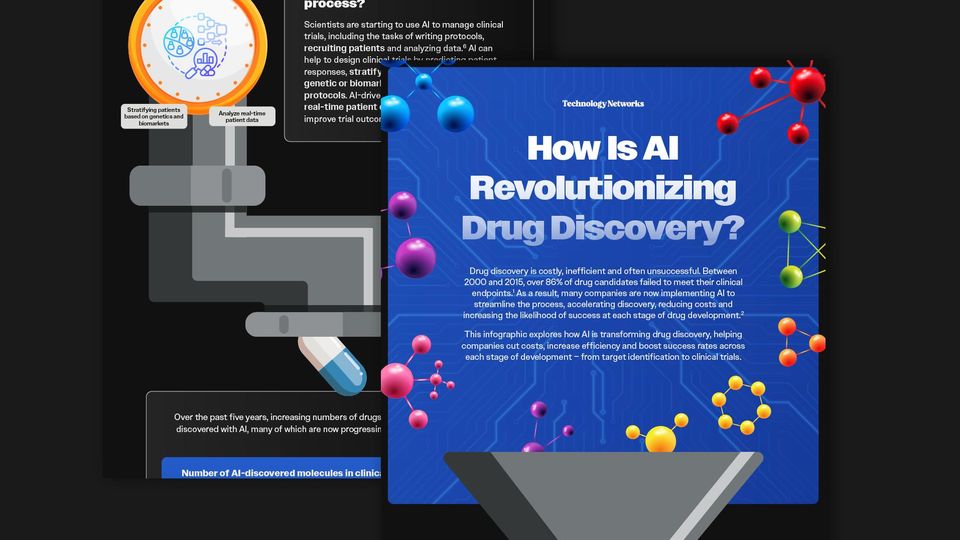
The startup's platform leverages machine learning algorithms to analyze vast biological datasets, identifying promising molecular targets and drug candidates with unprecedented speed. By processing complex protein interactions, genetic expression patterns, and disease mechanisms simultaneously, the AI system can predict therapeutic efficacy and safety profiles before compounds enter laboratory testing.
Key capabilities of the platform include:
- Target Identification: Rapid screening of disease-relevant biological pathways to identify optimal intervention points
- Molecular Optimization: Computational design of lead compounds with improved pharmacological properties
- Predictive Modeling: Assessment of off-target effects and potential adverse reactions early in development
- Pathway Analysis: Integration of multi-omics data to understand disease mechanisms comprehensively
Strategic Implications for Drug Development
This technology addresses a critical bottleneck in biotech: the time and capital required to advance candidates from concept to clinical trials. By reducing early-stage discovery timelines from years to months, the platform enables startups and established pharmaceutical companies to explore therapeutic hypotheses that might otherwise be economically unfeasible.
The focus on inflammation and fibrosis is particularly strategic. These disease areas represent substantial commercial opportunities—the global fibrosis treatment market alone is projected to expand significantly as aging populations develop age-related fibrotic conditions. Additionally, many inflammatory and fibrotic diseases share common molecular drivers, suggesting that validated targets could address multiple indications simultaneously.
Technical Rigor and Validation
The effectiveness of AI-driven drug discovery depends critically on training data quality and algorithmic transparency. Leading platforms in this space employ ensemble machine learning methods, combining multiple predictive models to reduce bias and improve accuracy. Integration with structural biology databases and clinical outcome data strengthens the platform's ability to translate computational predictions into viable therapeutics.
Validation typically occurs through retrospective analysis—testing whether the AI system can accurately predict known drug-target interactions and clinical outcomes from historical data. Forward validation requires successful progression of AI-identified candidates through preclinical and clinical development, a process that remains ongoing across the biotech sector.
Looking Forward
The emergence of specialized AI platforms targeting specific disease areas signals maturation in computational therapeutics. Rather than generic drug discovery tools, next-generation platforms combine domain expertise with machine learning sophistication, focusing computational power on areas of highest medical need and commercial potential.
For inflammation and fibrosis, this represents a meaningful opportunity to accelerate treatment development and potentially identify therapeutic approaches that traditional methods would overlook. Success will ultimately depend on clinical validation—whether AI-identified candidates demonstrate superior efficacy and safety profiles in human trials.
Key Sources
- Technology Networks: "How AI Is Transforming Drug Discovery"
- Veritis: "Generative AI in Drug Discovery | Innovations & Impact"
- BioPharma Trend: "Beyond Legacy Tools: Defining Modern AI Drug Discovery"


