
ByteDance's AI Phone Faces Major App Restrictions in China
ByteDance's ambitious push into on-device AI smartphones encounters significant obstacles as major Chinese applications restrict integration with the company's new AI-powered mobile device, limiting functionality and market viability.
ByteDance's AI Phone Faces Major App Restrictions in China
ByteDance's entry into the smartphone market with its AI-focused device has hit a critical roadblock. Major Chinese applications are blocking or restricting integration with the company's new AI phone, significantly limiting its functionality and accessibility for potential users. The restrictions underscore the competitive tensions within China's tech ecosystem and raise questions about the device's long-term viability.
The Integration Challenge
The core issue centers on app compatibility and integration. Leading Chinese applications—essential to daily smartphone use—are either refusing to optimize for ByteDance's AI phone or actively restricting features that would leverage the device's on-device AI capabilities. This creates a catch-22 situation: without app support, the device cannot deliver the seamless experience necessary to compete in the crowded smartphone market.
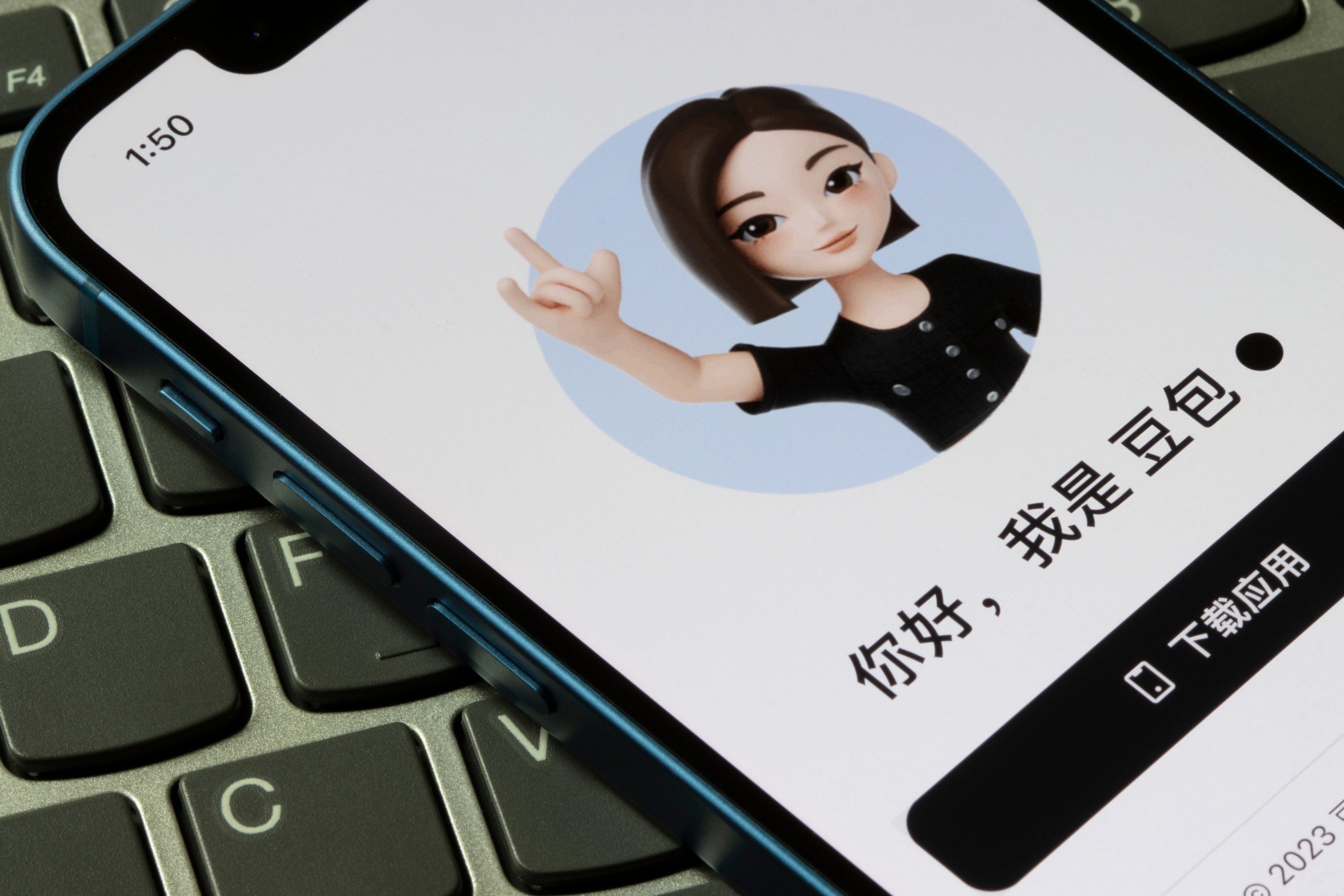
ByteDance's Doubao AI assistant, which powers the device's intelligence features, requires deep integration with third-party applications to function effectively. However, developers of major Chinese apps appear reluctant to provide this level of integration, effectively creating a walled garden that isolates ByteDance's hardware from the broader app ecosystem.
Market Implications
The restrictions have immediate practical consequences:
- Limited functionality: Users cannot access full features of popular apps designed for the AI phone experience
- Reduced appeal: Without comprehensive app support, the device loses its primary competitive advantage
- Market positioning: ByteDance's smartphone ambitions face headwinds before the device gains meaningful market traction
- Competitive disadvantage: Established smartphone makers like Xiaomi, OPPO, and Vivo face no such restrictions
This situation reflects broader competitive dynamics in China's technology sector, where companies jealously guard their platforms and user data. App developers may view ByteDance's AI phone as a threat to their existing business models or prefer to maintain independence from the company's ecosystem.
ByteDance's AI Strategy
ByteDance has invested heavily in on-device AI technology, positioning it as a key differentiator. The company released a technical preview of its Doubao Mobile Assistant, demonstrating capabilities in real-time interactive video and advanced language processing. The strategy aims to offer users privacy-preserving AI features that process data locally rather than sending it to cloud servers.
However, this technical advantage means little without application support. The device's success depends on developers embracing the platform and optimizing their applications accordingly—something that appears unlikely given current market conditions.
Broader Context
The app restrictions also reflect regulatory and competitive pressures within China's tech landscape. Chinese regulators have increasingly scrutinized ByteDance's operations, particularly regarding data handling and market dominance. Other tech companies may view restrictions on ByteDance's hardware as a defensive measure against potential market consolidation.
Additionally, existing smartphone manufacturers have established relationships with app developers and may be discouraging support for competing platforms. This creates a self-reinforcing cycle where lack of app support makes the device less attractive, reducing incentive for developers to invest in optimization.
Path Forward
ByteDance faces several options: negotiate directly with app developers, leverage its own massive user base to pressure compliance, or pivot toward enterprise or international markets where it faces fewer restrictions. The company could also develop its own suite of applications to reduce dependency on third-party developers.
The current situation demonstrates that hardware success in China requires more than technological innovation—it demands ecosystem cooperation and market positioning. Without resolving these app integration issues, ByteDance's AI phone risks becoming a niche product rather than a mainstream competitor.
Key Sources
- ByteDance Doubao Mobile Assistant Technical Preview announcements
- Chinese technology industry analysis on smartphone market dynamics
- App developer statements regarding platform integration policies


