
China Prepares H200 Export Block as Geopolitical Tensions Override Trump Approval
Despite receiving U.S. export approval under the Trump administration, China is reportedly preparing to block Nvidia's H200 chips from entering the country, signaling a shift in semiconductor strategy amid escalating tech tensions.
China's Unexpected H200 Blockade
Despite receiving approval from the Trump administration to export Nvidia's advanced H200 chips to China, the Chinese government is preparing to block the semiconductor imports, according to recent reports. This counterintuitive move suggests that geopolitical considerations and domestic technology strategies now outweigh the commercial benefits of acquiring the world's most advanced AI accelerators.
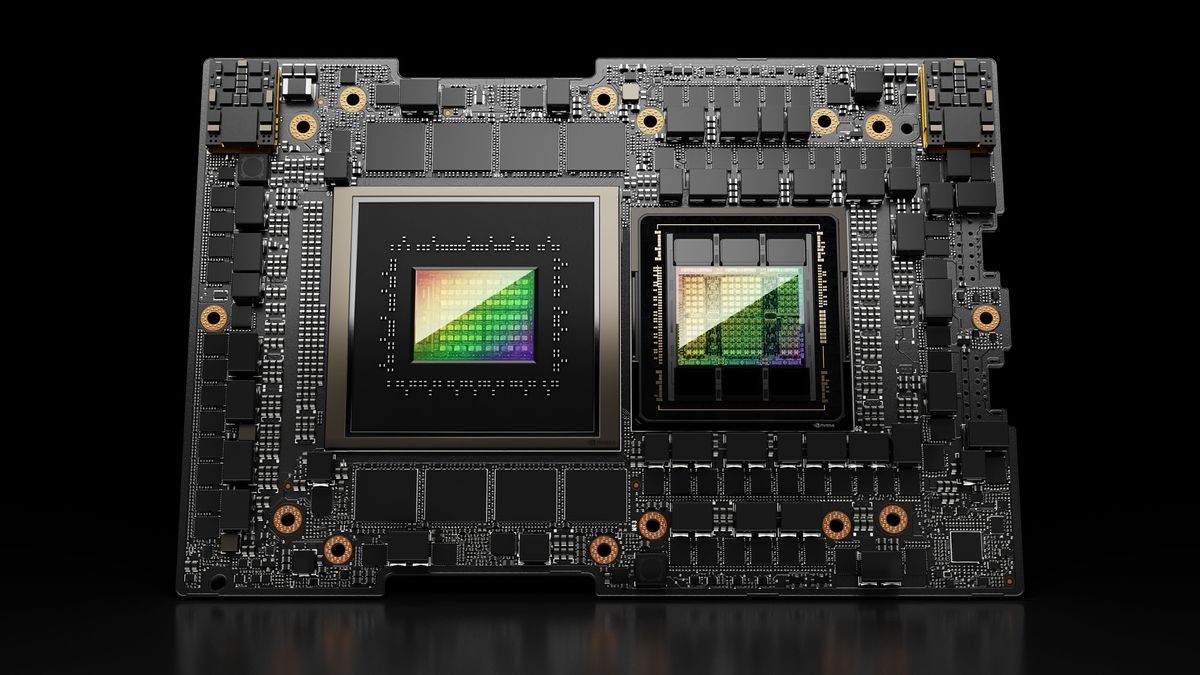
The H200, Nvidia's flagship data center GPU, represents a significant leap in AI computing capability. With 141GB of HBM3E memory and 4.8 TB/s bandwidth, the chip is engineered for large-scale language model training and inference workloads. The approval to export these chips marked a notable shift in U.S. semiconductor export policy, yet China's anticipated rejection indicates the decision may face headwinds from Beijing's side.
Strategic Implications for the Semiconductor Industry
The reported blockade reflects deeper tensions in the U.S.-China technology competition. Several factors likely drive China's decision:
- Self-sufficiency push: China has accelerated domestic AI chip development through companies like Huawei and others, seeking to reduce reliance on American semiconductors
- Geopolitical signaling: Rejecting U.S. exports demonstrates technological independence and pushes back against perceived American dominance
- Domestic industry protection: Blocking foreign chips protects emerging Chinese semiconductor manufacturers from direct competition
- Regulatory control: China maintains strict oversight of advanced technology imports, particularly those with dual-use military applications
The H200's Technical Significance
The H200 represents a generational advance over its predecessor, the H100. The increased memory capacity and bandwidth enable larger model training without requiring distributed computing across multiple chips. For organizations developing large language models, this translates to reduced latency, faster training cycles, and lower operational costs.
However, access to such chips remains tightly controlled. The U.S. has implemented export restrictions on advanced semiconductors to China since 2022, citing national security concerns. The Trump administration's approval to export H200s was viewed as a potential opening in these restrictions, though the decision remained controversial among policymakers concerned about enabling Chinese AI advancement.
What This Means for Nvidia and the Market
Nvidia's revenue from China represents a substantial portion of its data center business. A Chinese blockade of the H200 would further limit the company's addressable market in one of the world's largest AI computing markets. The company has already faced restrictions on H100 exports and other advanced chips.
The move also underscores the unpredictability of semiconductor trade policy. Companies planning supply chains and market strategies must now account for policy reversals from both Washington and Beijing, creating uncertainty for long-term business planning.
Looking Ahead
China's anticipated H200 blockade suggests that despite diplomatic shifts, the fundamental competition for AI dominance between the U.S. and China remains intense. Both nations view semiconductor technology as critical infrastructure, making commercial considerations secondary to strategic objectives.
The situation may accelerate China's domestic chip development efforts while pushing Nvidia to focus on other markets. It also highlights the limitations of unilateral export approvals when geopolitical tensions remain high.
Key Sources: Nvidia H200 technical specifications and export policy developments; U.S.-China semiconductor trade dynamics and strategic technology competition analysis


