
Cline AI Coding Assistant Faces Critical Data Theft Vulnerability
Security researchers have identified a significant vulnerability in Cline, the popular VS Code AI coding assistant, that could expose sensitive user data and source code to theft attacks. The flaw raises urgent questions about data protection in autonomous development tools.
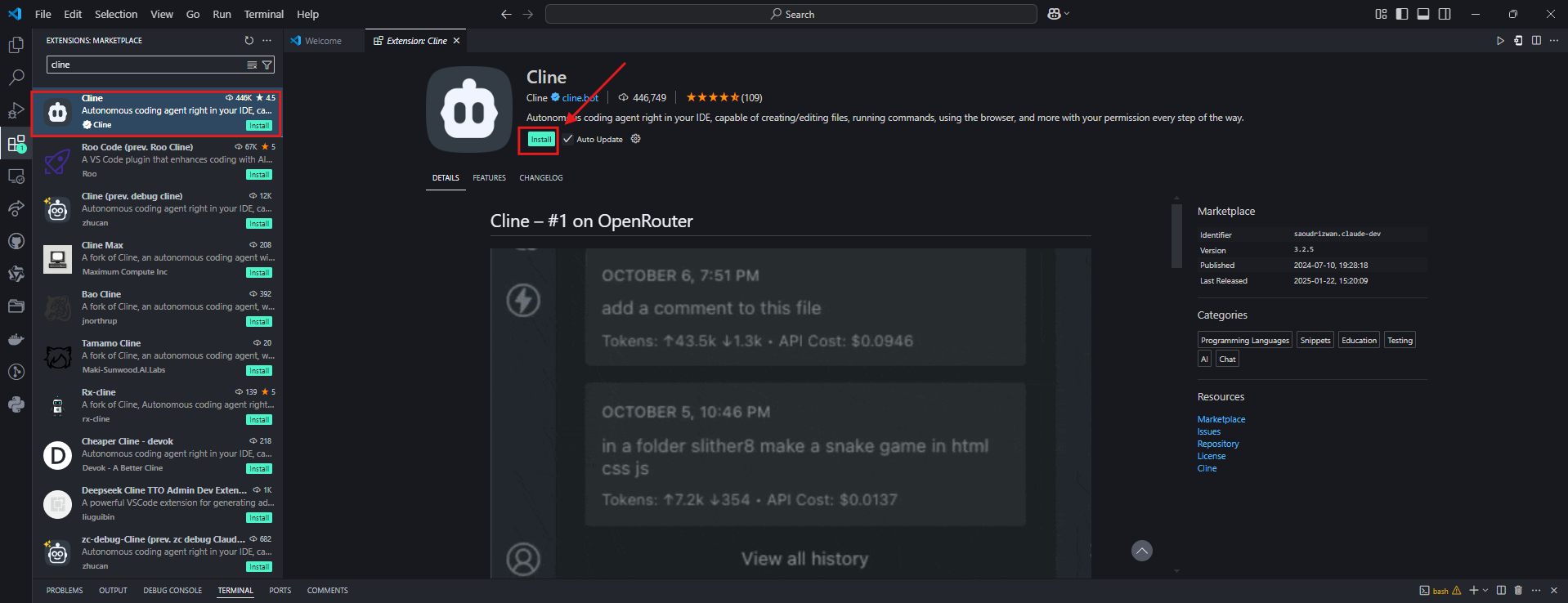
Critical Vulnerability Discovered in Cline AI Assistant
Cline, the increasingly popular autonomous coding agent integrated into Visual Studio Code, has been identified as vulnerable to data theft attacks that could compromise user information and proprietary source code. The vulnerability represents a significant security concern for developers relying on the tool for daily development workflows.
Understanding the Threat Landscape
The identified vulnerability poses a direct risk to developers who use Cline for automated scripting, code generation, and command-line interface operations. As an autonomous agent operating within the IDE environment, Cline has access to sensitive project files, credentials, and development contexts that could be exploited through the discovered security flaw.
The threat is particularly acute because:
- Scope of Access: Cline operates with broad permissions within the VS Code environment, accessing project files and potentially sensitive configuration data
- Autonomous Operations: The tool's ability to execute commands and interact with system resources amplifies the potential impact of any security breach
- User Unawareness: Many developers may not be fully aware of the data exposure risks associated with AI coding assistants
Technical Implications
The vulnerability highlights a broader challenge in the AI development tools ecosystem: balancing the convenience and productivity benefits of autonomous agents with robust security controls. Cline's architecture, designed to streamline development workflows by automating repetitive tasks and code generation, inadvertently creates potential attack surfaces if not properly secured.
Developers using Cline should consider:
- Reviewing what data the tool has access to within their projects
- Implementing environment-level security controls to limit exposure
- Monitoring for suspicious activity or unauthorized data access patterns
- Evaluating whether to continue using the tool until patches are available
Broader Security Concerns
This vulnerability is not an isolated incident but rather symptomatic of larger security challenges in the AI coding assistant space. As these tools become more sophisticated and autonomous, the potential attack surface expands correspondingly. The incident underscores the need for:
- Rigorous security audits of AI development tools before widespread adoption
- Clear disclosure of data handling practices and access permissions
- Industry standards for securing autonomous agents operating in development environments
- Regular security updates and vulnerability disclosure processes
Recommended Actions
Organizations and individual developers should take immediate steps to assess their exposure:
- Audit Current Usage: Determine which projects and repositories Cline has accessed
- Review Credentials: Check for any exposed API keys, tokens, or authentication credentials
- Monitor Repositories: Watch for unauthorized changes or suspicious commit activity
- Stay Informed: Follow official Cline channels for security updates and patches
- Consider Alternatives: Evaluate whether other AI coding assistants offer better security postures
Looking Forward
The discovery of this vulnerability in Cline serves as a critical reminder that AI tools, regardless of their sophistication or popularity, require the same rigorous security scrutiny as any other software handling sensitive data. As the development community increasingly adopts autonomous coding agents, security must remain a paramount consideration alongside functionality and convenience.
Developers should demand transparency from tool creators about security practices, data handling, and vulnerability response procedures. The incident also highlights the importance of the open-source community's ability to identify and report security issues—a process that remains essential for protecting the broader developer ecosystem.
Key Sources
- Cline GitHub Repository and Security Documentation
- VS Code Extension Security Guidelines
- Industry Analysis on AI Development Tool Vulnerabilities


