
Debt Financing Fuels AI Infrastructure Expansion
Debt financing is crucial in AI infrastructure expansion, with companies like Meta and OpenAI securing billions in loans, raising financial risk concerns.
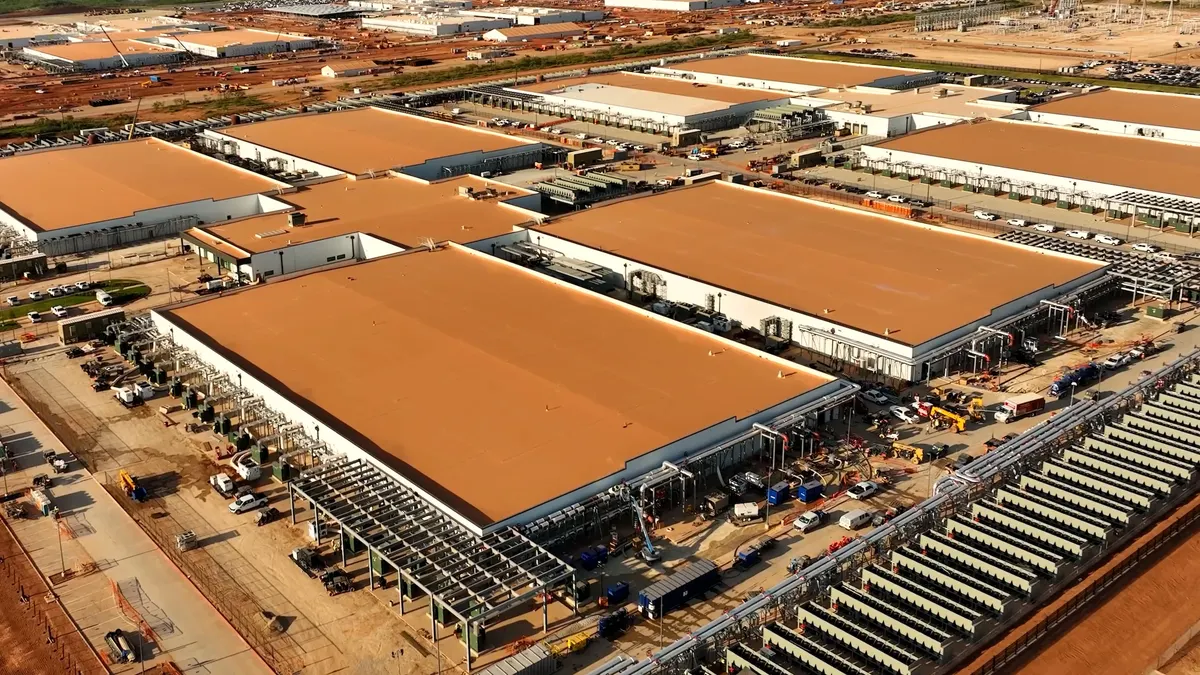
Debt Financing Fuels AI Infrastructure Expansion
The rapid expansion of artificial intelligence (AI) technologies has entered a new phase where debt financing is playing a critical role in supporting massive infrastructure buildouts and operational expenditures. From tech giants like Meta and OpenAI to data center operators, the unprecedented scale and cost of AI development are pushing companies to seek billions in loans and bond offerings, signaling a shift in how the AI boom is funded and raising concerns about potential financial risks in this new technological frontier.
The Scale of AI Infrastructure Investment and Debt Financing
Recent estimates highlight the staggering capital required to build and maintain AI infrastructure. According to Morgan Stanley Research, the AI infrastructure capital expenditure (CAPEX) between 2025 and 2028 is projected to reach $2.9 trillion, with nearly $1.5 trillion expected to come from external financing sources, including $800 billion from private credit alone. McKinsey similarly forecasts a $5.2 trillion capital need by 2030 specifically for AI-capable data centers to handle the computational demands of model training and inference.
Historically, hyperscale cloud providers and large tech firms have largely financed this infrastructure through strong internal cash flows. However, the sheer speed and size of the current AI expansion require tapping into external debt markets to sustain growth. This trend is evident in recent multi-billion-dollar debt deals:
- Meta Platforms secured $26 billion in debt funding from private capital firms like PIMCO for a massive data center project in Louisiana, which it claims will rival Manhattan in size.
- JPMorgan Chase and Mitsubishi UFJ Financial Group are leading a $22 billion loan to Vantage Data Centers for a similarly ambitious data center campus.
- Meta also arranged a $29 billion hybrid financing package combining debt and other instruments to fuel its AI infrastructure investments.
- OpenAI, which reportedly expects to burn through $115 billion in cash by 2029, is exploring debt financing options beyond partnerships with Microsoft and Oracle.
These deals illustrate the growing reliance on private credit, bond markets, and innovative financing structures backed by AI hardware assets such as GPUs. Large asset managers like BlackRock, JPMorgan, and Carlyle Group are increasingly issuing loans collateralized by AI-specific infrastructure, representing a novel approach to credit in the tech sector.
Industry Leaders’ Strategic Financing Moves and Market Impact
The involvement of debt in AI funding reflects a maturing industry grappling with rising costs amid uncertain near-term profitability. OpenAI’s massive cash burn and Nvidia’s $100 billion investment commitment to OpenAI’s data center buildout underscore the scale of capital required not only to develop AI models but also to supply and maintain the hardware backbone.
Meta’s aggressive borrowing signals confidence in AI-driven growth but also raises questions about balance sheet risk and the sustainability of such large-scale debt in an environment of rising interest rates and tightening credit conditions. The $30 billion bond offerings from Meta and Google recently underscore that even tech giants with strong cash flows find it necessary to tap debt markets to finance AI development costs.
The bond market’s current receptiveness to AI-related debt suggests investors remain optimistic about the sector’s long-term prospects. However, some analysts caution that the AI boom resembles previous tech bubbles, with elevated stock valuations and heavy reliance on external financing creating vulnerabilities if technological breakthroughs or market dynamics suddenly shift.
Financial Stability and Potential Risks
Central banks and financial regulators are increasingly monitoring the AI infrastructure financing boom for its implications on financial stability. The Bank of England has highlighted the potential risks of a sharp revaluation in AI-related assets, noting that events like the release of new AI models (e.g., DeepSeek in early 2025) can trigger abrupt market reactions.
Liquidity pressures have emerged as cash flows from AI companies struggle to keep pace with investment needs, pushing firms to access emergency credit lines such as the Federal Reserve’s Standing Repo Facility to maintain short-term funding. This underscores the delicate balance between fueling innovation and managing financial risk in a market increasingly dependent on debt.
Venture Capital and Private Credit Complementarity
Alongside debt, venture capital continues to play a role in AI infrastructure funding, especially for startups and emerging players. For example, European AI infrastructure provider Nscale closed a record-breaking $1.1 billion Series B round to meet growing GPU demand, highlighting venture capital’s role in supporting the broader AI ecosystem.
However, as AI projects scale, private credit and debt markets are becoming the backbone for funding capital-intensive infrastructure, particularly GPU-heavy data centers critical for AI model training and deployment.
Context and Implications
The entry of debt financing into the AI boom marks a significant evolution in how the sector is capitalized. While AI promises transformative economic and societal impacts, the massive capital intensity and reliance on borrowed funds introduce new financial risks. If AI’s growth trajectory softens or technological breakthroughs reduce hardware demand, the sector could face a sharp correction impacting lenders and investors.
For policymakers and market participants, balancing innovation support with financial system prudence is key. The emergence of GPU-backed loans and hybrid financing models also points to innovative financial engineering tailored specifically for the AI age.
As AI continues to reshape industries, the intertwined dynamics of technology and finance will be crucial to watch. The current wave of debt-fueled investment could either fuel continued rapid advancement or serve as a cautionary tale reminiscent of previous tech investment cycles.


