
Dubai's AI Chef Redefines Molecular Gastronomy: Technology Meets High-End Cuisine
A Dubai restaurant has introduced an AI-powered chef specializing in molecular gastronomy, combining algorithmic precision with avant-garde culinary techniques to create dishes that challenge traditional fine dining conventions.
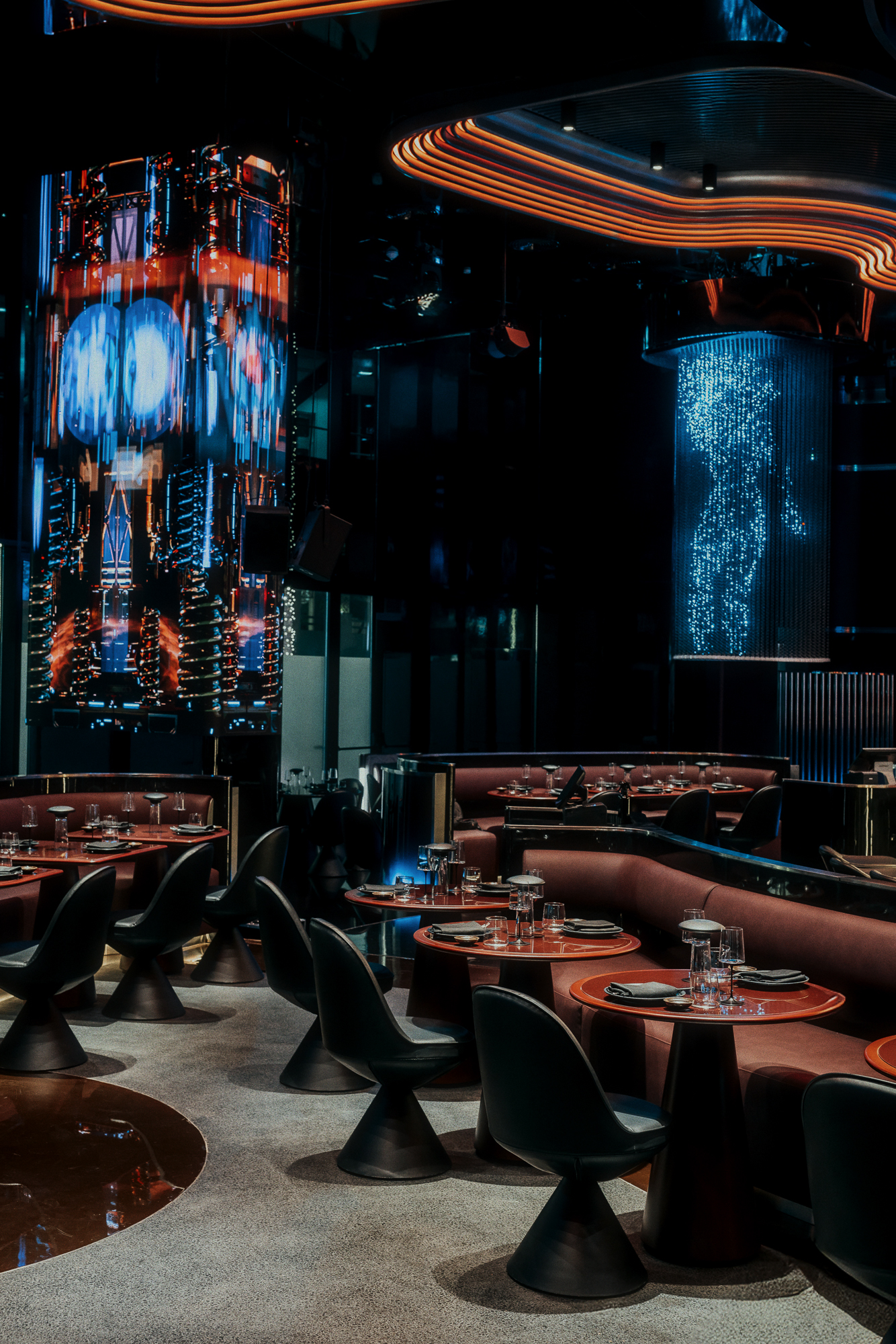
Dubai's AI Chef Redefines Molecular Gastronomy: Technology Meets High-End Cuisine
A Dubai restaurant has introduced an AI-powered chef specializing in molecular gastronomy, marking a significant intersection between computational systems and haute cuisine. The technology-driven approach applies algorithmic precision to avant-garde cooking techniques, generating dishes that push the boundaries of conventional fine dining.
The Technology Behind the Innovation
The AI chef operates by analyzing molecular gastronomy principles—the science of cooking that deconstructs traditional dishes into their fundamental components. The system processes parameters including temperature precision, ingredient molecular structure, texture transformation, and flavor compound interactions. This computational approach enables consistency and reproducibility that would be challenging for human chefs working at scale.
Key technical capabilities include:
- Precision temperature control across multiple cooking stations simultaneously
- Algorithmic flavor pairing based on chemical compound analysis
- Texture engineering through spherification, foaming, and gelification techniques
- Real-time adaptation to ingredient variations and environmental conditions
Molecular Gastronomy in Practice
Molecular gastronomy has evolved from experimental laboratory techniques into a recognized culinary discipline. The AI implementation accelerates this evolution by removing human limitations in consistency and enabling complex multi-stage preparations that would require extensive coordination among human kitchen staff.
The restaurant's menu reportedly features dishes that exemplify this technical approach, including preparations that utilize spheres, foams, and deconstructed presentations—hallmarks of molecular gastronomy. These creations serve both aesthetic and functional purposes, with visual presentation integral to the dining experience.
Industry Implications and Reception
The introduction of AI-driven culinary systems raises important questions about the future of fine dining. The technology demonstrates that computational systems can handle the technical precision required for molecular gastronomy, though the broader implications for culinary creativity and human expertise remain subjects of discussion within the industry.
The initiative reflects broader trends in hospitality technology, where automation and computational systems increasingly augment or replace human labor. In the culinary context, this raises distinct considerations around:
- Culinary artistry versus technical execution
- Consumer expectations regarding human involvement in food preparation
- Skill preservation in traditional cooking disciplines
- Scalability of haute cuisine experiences
Market Context
Dubai's positioning as a hub for luxury hospitality and technological innovation makes it a logical location for such an experiment. The city has consistently pursued high-profile culinary attractions and technological showcases, combining both interests through this AI chef implementation.
The restaurant operates within a competitive fine dining market where differentiation through technology and innovation serves as a marketing advantage. Whether this approach represents a sustainable model or a novelty experience remains to be determined through sustained customer engagement and critical reception.
Looking Forward
The AI chef concept demonstrates technical feasibility in applying computational systems to complex culinary tasks. However, the long-term viability depends on factors including customer acceptance, operational reliability, and whether the technology can deliver experiences that justify premium pricing in a market accustomed to human culinary expertise.
The initiative serves as a case study in technology adoption within traditionally human-centered industries, offering insights applicable beyond the culinary sector. As computational systems become increasingly sophisticated, similar implementations may emerge across hospitality and food service sectors, particularly in high-end establishments where precision and consistency command premium value.
Key Sources
- Dubai restaurant molecular gastronomy AI implementation (WOOHOO Restaurant operations documentation)
- Industry analysis of AI applications in haute cuisine and fine dining technology adoption
- Molecular gastronomy technical principles and contemporary culinary applications


