
Elon Musk's xAI Expansion in Memphis Raises Health Concerns
Elon Musk's xAI data center expansion in Memphis raises health and environmental concerns amid plans for solar panel installation.
Elon Musk's xAI Expansion in Memphis Raises Health Concerns
In Memphis, Tennessee, residents near Elon Musk’s xAI data center have expressed growing fears that the supercomputer facility is making them ill, amid complaints about noise, pollution, and environmental impact. The xAI center, home to one of the world’s most powerful AI supercomputers, is currently expanding its infrastructure with plans to install 88 acres of solar panels alongside its existing power-intensive operations, aiming to mitigate some environmental concerns. However, local opposition and regulatory scrutiny have intensified as the facility’s energy demands, emissions, and water use raise complex community and ecological challenges.
xAI’s Memphis Supercomputer: Scale and Power Usage
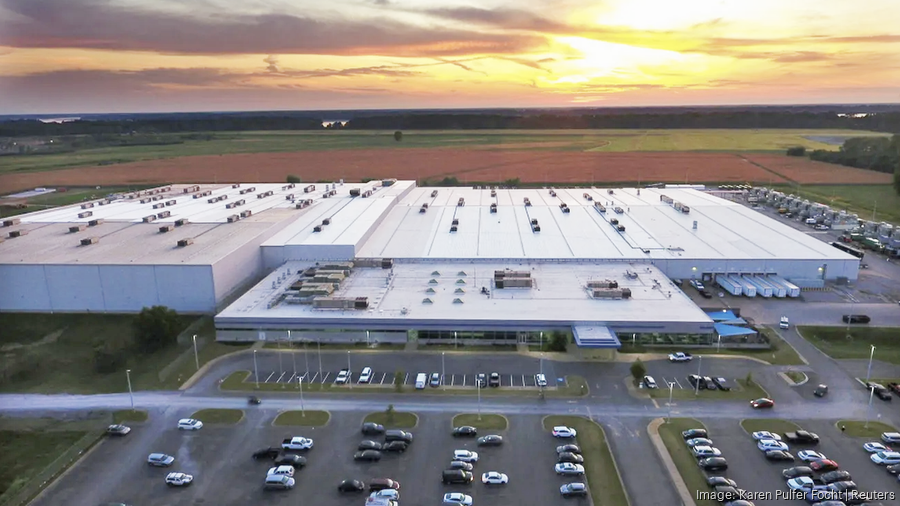
Elon Musk’s xAI data center in Memphis is a critical hub for training and running Grok, the AI chatbot integrated with Musk’s social media platform X. The facility houses approximately 200,000 Nvidia GPUs, representing one of the largest AI supercomputers globally. Such a massive installation consumes an estimated 300 megawatts (MW) of power—about one-third the output of a traditional nuclear reactor. Given the facility operates continuously, its energy footprint is exceptionally large, demanding robust and reliable power infrastructure.
To meet these needs, xAI historically used dozens of small gas turbines on site, which drew criticism for air pollution. The Southern Environmental Law Center argued that these turbines violated the Clean Air Act, and as of October 2025, xAI reportedly used about 12 turbines equipped with pollution controls while purchasing roughly 150 MW of power from the Tennessee Valley Authority (TVA). The TVA itself has been expanding gas plants in the region, including proposals for new 200 MW and 300 MW plants near Memphis and Brownsville, Tennessee, to support such energy-intensive data centers.
Environmental and Health Concerns from the Community
Residents in Memphis and nearby Southaven, Mississippi, have voiced concerns about noise pollution and air quality related to the turbines and other operational aspects of the xAI facility. Complaints include symptoms that locals attribute to emissions and noise, such as headaches, respiratory issues, and general wellbeing decline. These fears have triggered protests and demands for stricter environmental oversight.
Moreover, the data center’s water consumption has become a point of contention. xAI reportedly consumes over a million gallons of water daily, sourced from Memphis Light Gas and Water, which draws from local underground aquifers also supplying TVA’s nearby gas plants. In response, xAI is constructing a water reuse plant onsite to reduce its aquifer dependency, signaling some effort to address sustainability concerns.
xAI’s Solar Expansion: A Step Toward Renewable Energy
In an effort to balance the facility’s massive energy consumption and community backlash, xAI announced plans to install an 88-acre solar farm adjacent to the Memphis data center. This solar installation aims to supplement the power supply with renewable energy, potentially reducing reliance on fossil fuels and gas turbines. The solar panels are part of a broader strategy to improve the environmental footprint of the site and respond to mounting pressure from environmental groups and local residents.
Industry experts note that while solar power can help offset some emissions, the scale of energy required by data centers like xAI’s often necessitates a complex energy portfolio, including backup gas turbines and grid purchases, to ensure uninterrupted operation. The Tennessee Valley Authority’s rate increases in 2023-2024, which rose nearly 10%, are partly attributed to funding new gas plants that support such data centers.
Broader Context: Data Centers and AI’s Energy Challenge
Tennessee hosts around 60 data centers, with Memphis and Nashville as major hubs. These centers, especially those built for AI workloads, function as “factories for artificial intelligence,” with immense computational and energy demands. Elon Musk’s Memphis facility exemplifies this trend, highlighting the tension between technological advancement and environmental sustainability.
Data centers are known for high power and water use, continuous operation, and significant heat generation requiring cooling systems. The Memphis xAI center’s situation reflects a growing global challenge: balancing the rapid growth of AI infrastructure with environmental stewardship and community health.
Visuals to Illustrate the Story
- xAI Data Center Facility: Images of the Memphis xAI data center building or campus, showcasing the scale of the supercomputer infrastructure.
- Solar Panel Expansion: Photos or renderings of the planned or under-construction 88-acre solar farm adjacent to the data center.
- Local Community Protests: Images capturing public demonstrations or community meetings expressing concerns about noise and pollution.
- Tennessee Valley Authority Gas Plants: Visuals of nearby TVA gas plants that supply power to the region’s data centers.
- Elon Musk and xAI Branding: Official logos or images of Elon Musk associated with xAI and Grok AI chatbot.
This ongoing situation in Memphis highlights the intersection of cutting-edge AI technology deployment and its environmental and social footprint. While xAI pushes forward with expansion and renewable energy projects, local communities and environmental advocates remain vigilant about the health and ecological implications of such massive data centers. The balance between innovation and sustainability remains a critical issue as the AI industry continues to grow.


