
Florida's AI Insurance Debate: Balancing Innovation and Oversight
Florida lawmakers debate AI in insurance, focusing on cost, transparency, and fairness, amid concerns of high premiums and regulatory challenges.
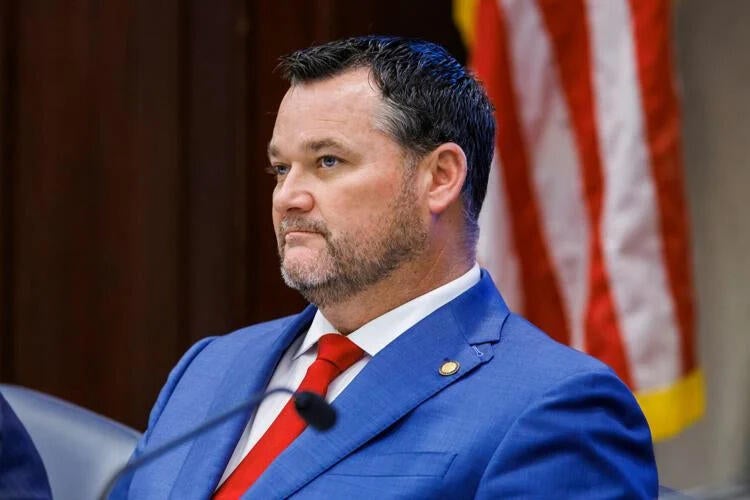
Florida Lawmakers Scrutinize AI in Insurance
Artificial intelligence (AI) is becoming an increasingly integral, yet controversial, tool in the insurance industry, especially in claims handling and underwriting. However, in Florida, lawmakers are raising concerns about the cost, transparency, and fairness of AI-driven insurance processes, spotlighting the potential risks of relying on AI without sufficient human oversight. The debate underscores broader industry and regulatory challenges as insurers seek to leverage AI to improve efficiency while addressing public skepticism and high premiums.
AI in Insurance: A Double-Edged Sword
Florida’s House Insurance & Banking Subcommittee recently held hearings questioning how insurers use AI technologies in claims adjudication. Industry representatives emphasized that AI is a tool to augment human decision-making, not replace it. Paul Martin from the National Association of Mutual Insurance Companies reassured lawmakers that AI operates under existing insurance laws and cannot legally perform functions prohibited for humans, such as denying claims without human review.
Rep. Hillary Cassel pressed on whether AI can be the sole basis for denying claims. While bills in the 2025 session sought to ban AI-only claim denials, they failed to pass. This issue is expected to return in 2026. Thomas Koval of FCCI Insurance Group reassured lawmakers that insurers do not blindly trust AI for such decisions, highlighting the need for human oversight to maintain fairness and accuracy.
The Cost of AI and Impact on Premiums
A central concern raised by lawmakers, including Rep. Marie Woodson, is whether AI is contributing to high insurance premiums in Florida, one of the most expensive states for property insurance. Koval noted that AI-driven efficiencies can reduce operational expenses, which should ideally help lower rates. However, the current market dynamics, including high loss costs and regulatory environments, have kept premiums elevated despite technological advances.
Rep. Nathan Boyles voiced fears that AI could enable hyper-segmentation of risk profiles, effectively excluding certain property owners from coverage by identifying them as high risk. Martin countered this, emphasizing AI’s role is not to deny claims or reduce policy issuance but to improve underwriting accuracy and claims processing efficiency.
Regulatory and Industry Perspectives
Florida’s insurance market has long struggled with affordability and availability issues. The use of AI introduces new regulatory challenges. Lawmakers are concerned about oversight, disclosure, and accountability in AI decisions, fearing that opaque AI algorithms could lead to unfair outcomes without clear recourse for consumers. Insurance experts argue that AI tools must comply with existing laws, and the industry advocates for responsible deployment rather than blanket restrictions.
Meanwhile, insurers like Research Insurance Company Limited (RICL), a captive insurer, demonstrate disciplined underwriting combined with technology use, yielding low loss experience and operating profits. This suggests that AI, when integrated carefully, can enhance risk management without necessarily driving costs up.
Broader Industry Implications
The Florida debate exemplifies a nationwide tension between innovation and regulation in insurance. AI has potential to revolutionize claims handling by speeding up processing, reducing fraud, and improving accuracy. However, concerns about AI bias, privacy, and the risk of automated denials without human checks persist.
As AI adoption grows, the insurance industry faces pressure to balance cost savings with ethical and regulatory standards. Transparent AI practices, clear communication with consumers, and strong human oversight will be critical to maintaining trust.
Visuals to Illustrate the Story
- Florida House Insurance & Banking Subcommittee hearings: Photos showing lawmakers questioning industry representatives on AI use.
- AI-driven claims processing technology: Screenshots or graphics illustrating AI algorithms analyzing insurance claims.
- Insurance premium trends in Florida: Infographics showing rising property insurance premiums and factors influencing rates.
- Key industry figures: Images of Paul Martin (National Association of Mutual Insurance Companies) and Thomas Koval (FCCI Insurance Group).
- Research Insurance Company Limited (RICL) branding: Logo and visuals demonstrating disciplined underwriting and risk management.
Florida’s exploration of AI in insurance reveals a critical juncture where technology meets public policy. While AI promises efficiency, the rising cost of insurance and regulatory scrutiny highlight the need for careful governance to ensure AI serves consumers fairly and does not exacerbate existing market challenges. The 2026 legislative session is likely to bring renewed focus on how AI should be regulated in insurance, balancing innovation with consumer protection.


