
Geoffrey Hinton Claims Google Will Overtake OpenAI in the AI Technology Race
Geoffrey Hinton, a pioneering figure in deep learning and AI research, has publicly stated that Google is positioned to surpass OpenAI in the competitive landscape of artificial intelligence development. His assertion reflects growing confidence in Google's technical capabilities and strategic direction.
Hinton's Bold Prediction on Google's AI Trajectory
Geoffrey Hinton, a legendary computer scientist and one of the founding figures of modern deep learning, has made a significant claim about the future of the AI industry: Google is poised to outpace OpenAI in the race for artificial intelligence supremacy. This assertion from someone of Hinton's stature carries considerable weight in the technical community, given his decades of contributions to neural networks and machine learning research.
Hinton's prediction reflects a broader shift in how industry observers assess the competitive dynamics between major AI players. While OpenAI has captured significant public attention with its ChatGPT platform and GPT models, Google possesses substantial advantages that may prove decisive in the long term.
Google's Structural and Technical Advantages
Several factors underpin Hinton's confidence in Google's position:
- Computational Infrastructure: Google controls vast data centers and computing resources that dwarf most competitors, providing unmatched capacity for training large-scale models.
- Data Assets: The company's dominance in search, YouTube, and cloud services provides access to unprecedented volumes of training data.
- Research Talent: Google's acquisition of DeepMind and its own Brain team represent concentrations of world-class AI researchers.
- Integration Capabilities: Unlike OpenAI, Google can embed advanced AI directly into existing products serving billions of users globally.
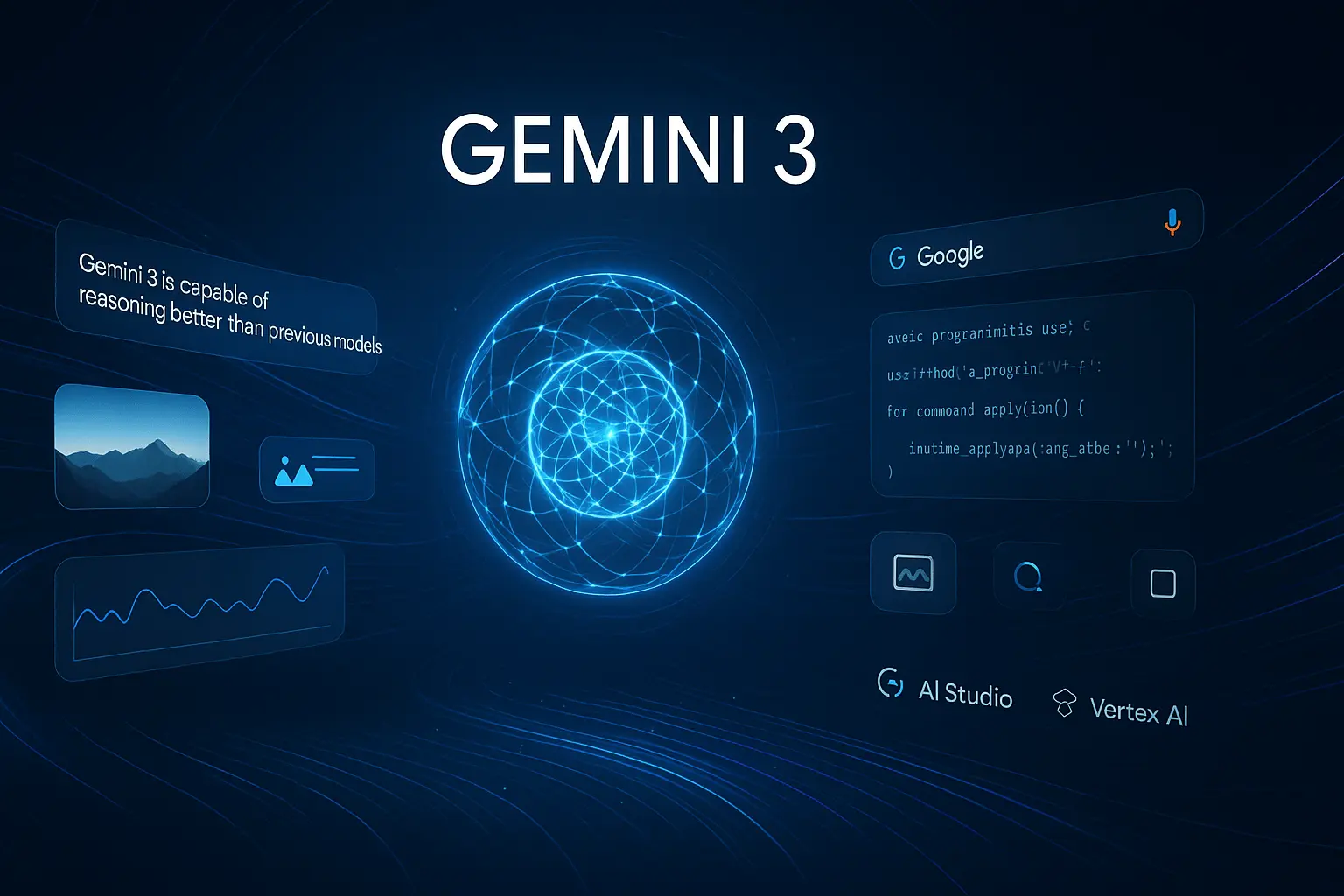
The recent launch of Gemini 3, Google's most advanced multimodal AI model, exemplifies this strategic positioning. The model demonstrates significant improvements in reasoning, code generation, and multimodal understanding—capabilities that directly challenge OpenAI's market leadership.
The Competitive Landscape Shift
OpenAI's first-mover advantage with ChatGPT created substantial brand recognition and user adoption. However, competitive advantages in AI are notoriously difficult to sustain. The field moves rapidly, with new architectures, training techniques, and model improvements emerging continuously.
Google's approach differs strategically from OpenAI's. Rather than focusing primarily on consumer-facing chatbots, Google is integrating advanced AI capabilities across its entire product ecosystem—search, productivity tools, cloud services, and enterprise solutions. This diversified deployment strategy may prove more resilient and valuable than concentration in a single product category.
Technical Capabilities and Model Performance
Recent benchmarks suggest the competitive gap is narrowing. Gemini 3's performance on complex reasoning tasks, mathematical problem-solving, and code generation tasks demonstrates that Google's research teams have closed significant ground. The model's multimodal capabilities—processing text, images, audio, and video—represent a different architectural philosophy than OpenAI's primarily text-focused approach.
Hinton's prediction also reflects confidence in Google's ability to scale these capabilities effectively. The company's experience deploying machine learning systems at planetary scale provides operational advantages that newer competitors cannot easily replicate.
Industry Implications
If Hinton's assessment proves accurate, it would represent a significant realignment in the AI industry. The implications extend beyond market share:
- Research Direction: Google's focus on multimodal and reasoning-focused models may influence the broader research community's priorities.
- Product Integration: Deeper AI integration into everyday tools could accelerate adoption and practical applications.
- Competitive Dynamics: Other players, including Microsoft (with OpenAI partnership), Meta, and emerging startups, would need to accelerate their own development timelines.
Looking Forward
The AI race remains dynamic and unpredictable. While Hinton's prediction carries credibility based on his track record and technical expertise, the industry has seen surprising shifts before. OpenAI's ability to innovate, secure additional capital, and maintain talent will remain critical factors.
What seems clear is that the competition between Google and OpenAI will continue driving rapid advancement in AI capabilities—benefiting the broader ecosystem and accelerating the deployment of these technologies across industries.
Key Sources: Geoffrey Hinton's public statements on AI competitive dynamics; Google's Gemini 3 technical documentation and performance benchmarks; industry analysis of competitive positioning in large language models and multimodal AI systems.


