
George Miller Explores AI's Role in Filmmaking
George Miller's curiosity about AI marks a new era in filmmaking, exploring its potential to enhance creativity while preserving the human touch in storytelling.
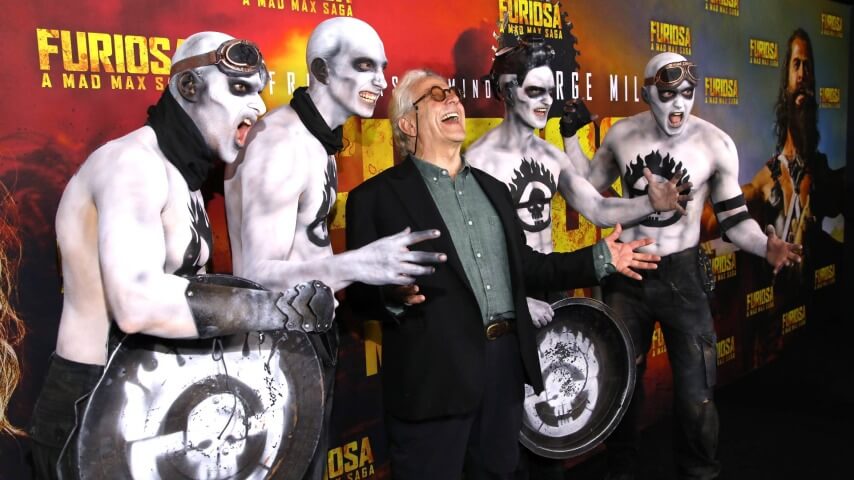
George Miller Explores AI's Role in Filmmaking
George Miller, the visionary director behind the iconic Mad Max franchise, has publicly expressed an intense curiosity about artificial intelligence (AI) and its evolving role in cinema and creative industries. Known for pushing cinematic boundaries with his innovative storytelling and groundbreaking visuals, Miller’s engagement with AI highlights a growing trend among veteran filmmakers exploring how this technology could reshape the art and business of filmmaking.
George Miller’s Perspective on AI
In recent interviews, Miller acknowledged that AI is here to stay and emphasized its potential to become an integral part of the filmmaking process. He conveyed a nuanced understanding that, while AI presents exciting possibilities, it also challenges traditional creative roles, raising important ethical and artistic questions. Miller’s stance reflects a balance between embracing innovation and guarding the human element critical to storytelling.
He noted that his curiosity stems from the rapid advances in AI’s capability to generate images, scripts, and even performances. For Miller, the question is not whether AI will influence cinema but how filmmakers can harness it responsibly to enhance creativity without compromising authenticity or human connection.
AI’s Expanding Role in Film and Media
George Miller’s interest is part of a broader industry shift where AI technologies are reshaping various aspects of film production:
-
Visual Effects and CGI: AI tools increasingly assist in creating complex visual effects faster and more cost-effectively, allowing directors like Miller to envision and realize ambitious worlds with greater ease.
-
Scriptwriting and Story Development: AI-driven algorithms can suggest plot twists, dialogue, or character development, serving as creative collaborators or brainstorming aids.
-
Casting and Digital Actors: The emergence of AI-generated digital actors—virtual personas created by machine learning—has sparked debate, with agencies signing “AI actresses,” raising questions about originality and rights.
-
Post-Production and Editing: Automated editing tools powered by AI can streamline the post-production process, enabling filmmakers to experiment with pacing and narrative structure more fluidly.
Miller’s recognition of these applications underscores a critical moment where traditional filmmaking intersects with cutting-edge technology, forcing creators to rethink processes long considered sacrosanct.
Industry Reactions and Ethical Considerations
Miller’s openness contrasts with some in Hollywood who view AI with skepticism or concern. For instance, the signing of an AI-generated actress by an agency in 2025 was seen by many in the industry as a betrayal of human artistry. This controversy highlights the tension between innovation and the protection of creative labor and intellectual property.
Miller’s approach advocates for curiosity paired with caution, encouraging dialogue on how AI should be integrated ethically. He suggests that embracing AI does not mean replacing the human soul in filmmaking but rather augmenting it, using AI as a tool to unlock new dimensions of storytelling.
The Future of AI in Filmmaking According to Miller
Looking ahead, Miller envisions AI as a transformative partner rather than a threat. His interest signals a potential shift in how blockbuster films—such as those in the Mad Max universe—might be conceived and produced. With AI’s assistance, filmmakers could explore more complex narratives, richer visual landscapes, and interactive experiences that engage audiences in unprecedented ways.
However, Miller also stresses the importance of maintaining creative control and preserving the director’s vision, ensuring that AI serves to amplify rather than dilute the artistic intent.
Visual Highlights
- Official portraits of George Miller at film festivals and press events illustrate the director’s enduring presence in the industry.
- Behind-the-scenes images from Mad Max: Fury Road showcase the visionary style that Miller might evolve through AI-enhanced techniques.
- Visual representations of AI in cinema, such as CGI character models or AI-assisted editing interfaces, underscore the technological themes Miller discusses.
George Miller’s engagement with AI reflects a pivotal moment in cinema, where tradition meets technology, sparking both excitement and debate. His intense curiosity about AI’s possibilities and pitfalls provides a thoughtful framework for filmmakers navigating this rapidly changing landscape, aiming to harness AI’s power while preserving the human essence of storytelling.


