
Harvard Alumni Raise $6.6 Million for AI Glasses That Remember Conversations
Former Harvard students have secured significant funding to develop AI-powered smart glasses designed to enhance memory recall of conversations, marking a major milestone in wearable AI technology development.
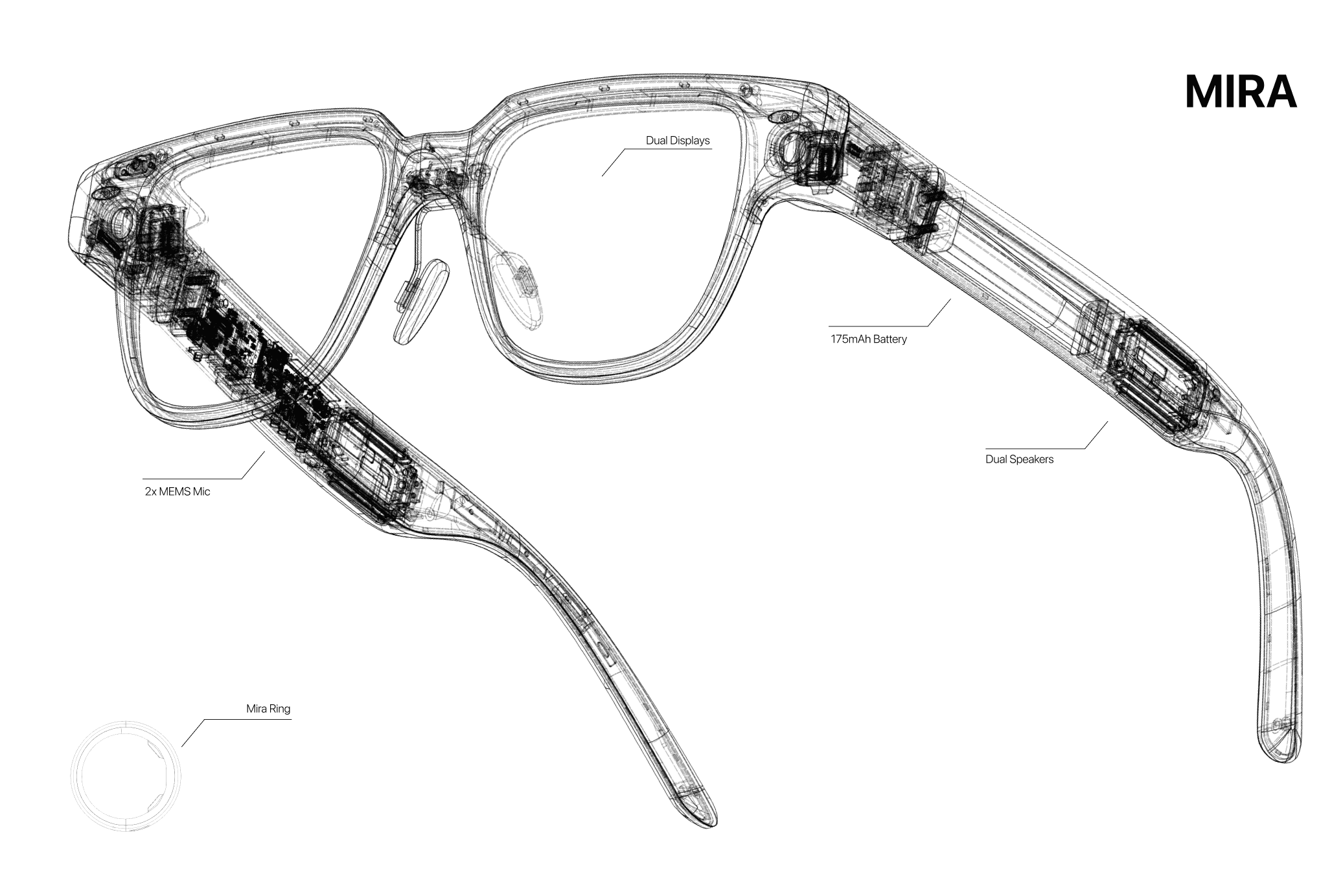
Harvard Alumni Secure $6.6M for Conversation-Tracking AI Glasses
A team of former Harvard students has successfully raised $6.6 million in funding to develop AI-powered smart glasses engineered to capture and enhance memory of conversations. The initiative represents a significant investment in wearable technology designed to augment human cognitive capabilities through real-time conversation analysis and retention.
The glasses leverage artificial intelligence to process spoken dialogue, extract key information, and provide users with enhanced recall capabilities. This approach addresses a persistent challenge in professional and personal contexts: accurately remembering details from conversations without manual note-taking.
Technical Architecture and Capabilities
The AI glasses operate through a multi-layered system designed to capture audio input, process natural language, and surface relevant information to the wearer. Key technical components include:
- Real-time audio processing using on-device or cloud-based AI models
- Conversation transcription and summarization capabilities
- Key detail extraction to highlight important discussion points
- Integration with personal knowledge management systems
- Privacy-preserving architecture to address data sensitivity concerns
The technology represents an evolution in wearable AI, moving beyond fitness tracking and notification delivery toward cognitive augmentation. By processing conversational data in real-time, the glasses can identify and retain critical information that users might otherwise miss or forget.
Market Positioning and Use Cases
Smart glasses with memory enhancement capabilities address multiple market segments. Professional applications include:
- Business meetings and client interactions where accurate recall is critical
- Sales and customer relationship management requiring detailed conversation history
- Research and academic contexts involving complex discussions
- Legal and compliance scenarios demanding precise documentation
The funding milestone suggests investor confidence in the commercial viability of conversation-focused wearables. As enterprise and consumer markets increasingly adopt AI-powered devices, memory augmentation represents a differentiated value proposition compared to existing smart glasses offerings focused primarily on display and notification functions.
Competitive Landscape and Innovation
The AI glasses market has attracted substantial venture capital investment, with multiple companies developing competing solutions. This latest funding round demonstrates continued momentum in the sector, though technical and regulatory challenges remain significant.
Key considerations for market adoption include:
- Privacy and consent frameworks for recording conversations
- Data security and storage protocols for sensitive discussion content
- Battery life and computational efficiency for sustained operation
- User interface design for accessing recalled information
- Regulatory compliance across different jurisdictions
The Harvard alumni team's background suggests technical depth in AI and hardware integration, critical competencies for developing production-ready wearables. The $6.6 million funding level indicates investor belief in the team's execution capability and market opportunity.
Looking Forward
The development of conversation-memory AI glasses reflects broader trends in wearable technology and cognitive computing. As AI models become more sophisticated and efficient, applications that augment human memory and decision-making are increasingly feasible.
The success of this funding round may accelerate development timelines and attract additional talent to the space. However, the path to mainstream adoption will depend on addressing privacy concerns, achieving reliable performance across diverse conversational contexts, and demonstrating clear ROI for target users.
The intersection of wearable hardware, natural language processing, and personal knowledge management represents a significant frontier in human-computer interaction. This investment underscores the growing recognition that AI's most valuable applications may lie in enhancing rather than replacing human capabilities.
Key Sources
- Mira – AI Smart Glasses product documentation and technical specifications
- Harvard University innovation and entrepreneurship ecosystem data
- Wearable technology market analysis and competitive landscape assessments


