

How Anthropic's Claude Is Reshaping Software Development Through 'Vibe Coding'
Jim VandeHei reveals how Anthropic's Claude is driving a fundamental shift in how developers build software, moving beyond traditional coding toward intuitive, AI-guided development.
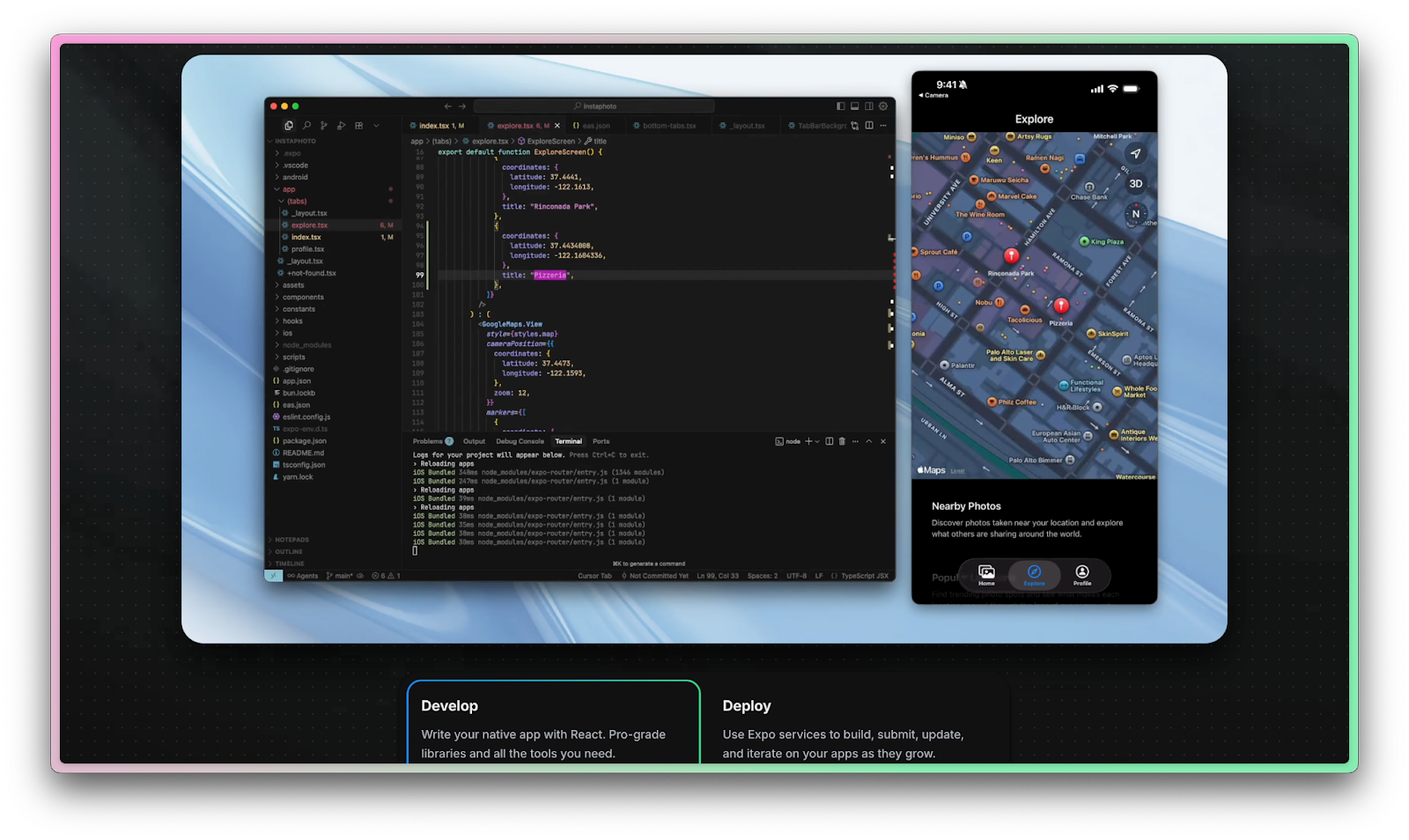
The Shift From Code-First to Intuition-First Development
The software development landscape is undergoing a quiet revolution. While traditional coding methodologies still dominate enterprise environments, a new paradigm—colloquially known as "vibe coding"—is gaining traction among developers who are leveraging AI to accelerate their workflows. According to reporting on this emerging trend, Anthropic's Claude model is at the forefront of this movement, fundamentally changing how developers conceptualize and execute software projects.
Jim VandeHei, co-founder of Axios, has publicly confirmed that Anthropic is fueling this shift. The concept challenges conventional wisdom about software development: rather than meticulously planning every line of code, developers are increasingly working with AI to translate high-level ideas and rough specifications into functional applications. This approach prioritizes speed, iteration, and the developer's intuitive sense of what the product should do—hence the term "vibe coding."
What Is Vibe Coding?
Vibe coding represents a departure from traditional software engineering practices. Instead of writing boilerplate code, managing dependencies, and debugging line-by-line, developers describe their vision in natural language and let AI handle the implementation details. The process typically involves:
- Rapid prototyping: Developers sketch out ideas verbally or through rough specifications
- AI-assisted generation: Claude translates these descriptions into working code
- Iterative refinement: Developers provide feedback and adjustments in conversational terms
- Minimal manual intervention: Complex logic is handled by the AI model, reducing cognitive load
This methodology is particularly effective for mobile app development, where UI/UX decisions and feature prioritization can be communicated more naturally than through traditional code specifications.
Anthropic's Role in Democratizing Development
Anthropic's Claude, particularly its latest iterations, has proven capable of handling sophisticated development tasks with minimal explicit instruction. The emergence of vibe coding as a viable development methodology underscores how advanced language models are lowering barriers to entry for software creation.
The implications are significant:
- Speed to market: Projects that traditionally took weeks can now be prototyped in days
- Accessibility: Developers without deep expertise in specific frameworks or languages can still build functional applications
- Cost reduction: Fewer manual development hours translate to lower project costs
- Experimentation: Teams can rapidly test multiple approaches without significant resource investment
The Competitive Landscape
VandeHei's confirmation that Anthropic is driving this trend places the company in direct competition with other AI coding assistants like GitHub Copilot and OpenAI's tools. However, Claude's conversational capabilities and reasoning depth appear to give it an edge in the vibe coding space, where natural language understanding is paramount.
The broader software development industry is watching closely. Traditional coding practices emphasize precision, documentation, and formal specifications—values that have governed software engineering for decades. Vibe coding challenges this orthodoxy by prioritizing developer intuition and AI capability over rigid process adherence.
What's Next?
As vibe coding gains adoption, several questions loom. Will enterprise organizations embrace this approach, or will it remain confined to startups and rapid prototyping? How will code quality and maintainability be ensured when developers rely heavily on AI-generated code? And what does this mean for the future of software engineering education?
VandeHei's public endorsement suggests that industry observers view vibe coding not as a passing trend, but as a fundamental shift in how software will be built. Whether this represents genuine progress or a concerning departure from software engineering best practices remains a subject of active debate within the development community.


