
Iranian Scientists Develop Compact AI Wearable for Real-Time Vital Signs Monitoring
A breakthrough wearable device developed by Iranian researchers uses artificial intelligence to continuously monitor five critical vital parameters, marking a significant advance in portable health monitoring technology.
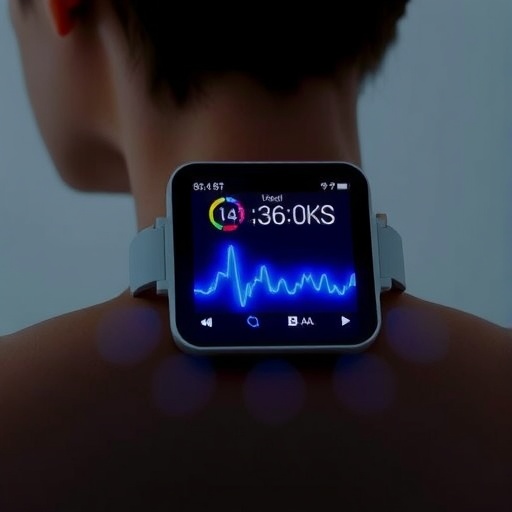
Iranian Scientists Develop Compact AI Wearable for Real-Time Vital Signs Monitoring
Iranian researchers have unveiled a compact wearable device that leverages artificial intelligence to continuously monitor five vital parameters in real time. This development represents a meaningful advancement in portable health monitoring technology, offering potential applications for chronic disease management, remote patient monitoring, and preventive healthcare.
Technical Architecture and Capabilities
The device integrates multiple biosensors with AI-powered analytics to track critical health metrics simultaneously. By combining miniaturized sensor arrays with machine learning algorithms, the wearable can process complex physiological data and deliver actionable health insights without requiring constant connection to external computing infrastructure.
The five vital parameters monitored by the device include:
- Heart rate and cardiac rhythm patterns
- Oxygen saturation levels
- Body temperature
- Respiratory rate
- Blood pressure estimation
This multi-parameter approach addresses a key limitation of existing consumer wearables, which typically focus on one or two metrics. The simultaneous monitoring of five parameters enables more comprehensive health assessment and earlier detection of potential anomalies.
AI-Driven Analysis and Real-Time Processing
The integration of artificial intelligence distinguishes this device from conventional wearables. Rather than simply collecting raw sensor data, the embedded AI algorithms analyze physiological patterns in real time, identifying trends and potential health concerns. This capability is particularly valuable for patients with chronic conditions who require continuous monitoring but may not have access to frequent clinical assessments.
The compact form factor suggests the researchers prioritized user comfort and wearability—critical factors that determine long-term adoption and compliance in remote monitoring applications. A device that patients can wear continuously without discomfort generates more reliable data than one worn intermittently.
Clinical and Commercial Implications
The development of this technology reflects growing momentum in the wearable health monitoring sector. Healthcare systems worldwide are increasingly adopting remote monitoring solutions to reduce hospital readmissions, improve patient outcomes, and lower care delivery costs. A multi-parameter device with embedded AI could streamline clinical workflows by automatically flagging concerning vital sign combinations that warrant clinical attention.
For patients with conditions such as hypertension, diabetes, heart disease, or respiratory disorders, continuous monitoring provides physicians with comprehensive datasets that support more informed treatment decisions. The AI component can identify patterns that might be missed in periodic clinical measurements, enabling earlier intervention.
Technical Challenges and Considerations
Developing a compact, multi-sensor wearable device presents significant engineering challenges. Sensor accuracy must be maintained while miniaturizing components, battery life must support continuous operation, and data security must protect sensitive health information. The Iranian research team's success in addressing these constraints demonstrates the maturity of wearable technology platforms.
Calibration and validation remain critical considerations. Wearable-derived vital signs must demonstrate clinical-grade accuracy to gain acceptance in medical settings. Regulatory approval processes will likely require extensive clinical validation studies comparing the device's measurements against gold-standard clinical equipment.
Future Directions
As wearable technology continues advancing, integration with cloud-based health platforms and electronic medical records systems will enhance clinical utility. The combination of continuous monitoring data with AI-driven predictive analytics could enable truly personalized medicine approaches, where treatment protocols adapt based on individual physiological responses.
The Iranian development contributes to a global ecosystem of wearable health innovations, with research teams across multiple countries pursuing similar objectives. This competitive landscape accelerates technological progress while expanding options for healthcare providers and patients.
Key Sources
- Bioengineering research on wearable vital signs monitoring devices
- Healthcare technology publications covering AI-integrated medical devices
- Clinical wearables development literature
The successful development of this compact, AI-enabled wearable device demonstrates that sophisticated health monitoring technology can be miniaturized and made accessible. As these devices mature and gain clinical validation, they will likely become standard components of modern healthcare delivery, particularly for remote patient management and chronic disease monitoring.


