
Jony Ive and OpenAI: Pioneering a New Era of AI Devices
Jony Ive and OpenAI are tackling challenges in creating a revolutionary AI device, aiming to redefine human interaction through innovative design.
Jony Ive and OpenAI: Pioneering a New Era of AI Devices
Jony Ive, the visionary designer behind the iPhone and iPod, is collaborating with OpenAI on a revolutionary artificial intelligence device. This ambitious project aims to redefine human interaction with AI through innovative hardware design but faces significant technical and philosophical challenges.
Background: The Collaboration Between Jony Ive and OpenAI
In May 2025, OpenAI acquired Jony Ive’s startup, io, for approximately $6.5 billion, marking its intent to venture beyond software into AI-driven hardware. Ive, formerly Apple’s chief design officer, is celebrated for his work on iconic consumer products like the iPhone and iPad. His partnership with OpenAI is expected to bring a fresh, design-centric approach to AI devices, potentially disrupting the current market dominated by smartphones and traditional digital assistants.
OpenAI CEO Sam Altman has publicly stated plans to ship up to 100 million AI devices designed in collaboration with Ive. These devices are envisioned as AI “companions” that transcend the limitations of existing voice assistants like Siri by offering more natural, context-aware interactions without the constraints of typical smartphone interfaces.
The Vision: A New Kind of AI Device
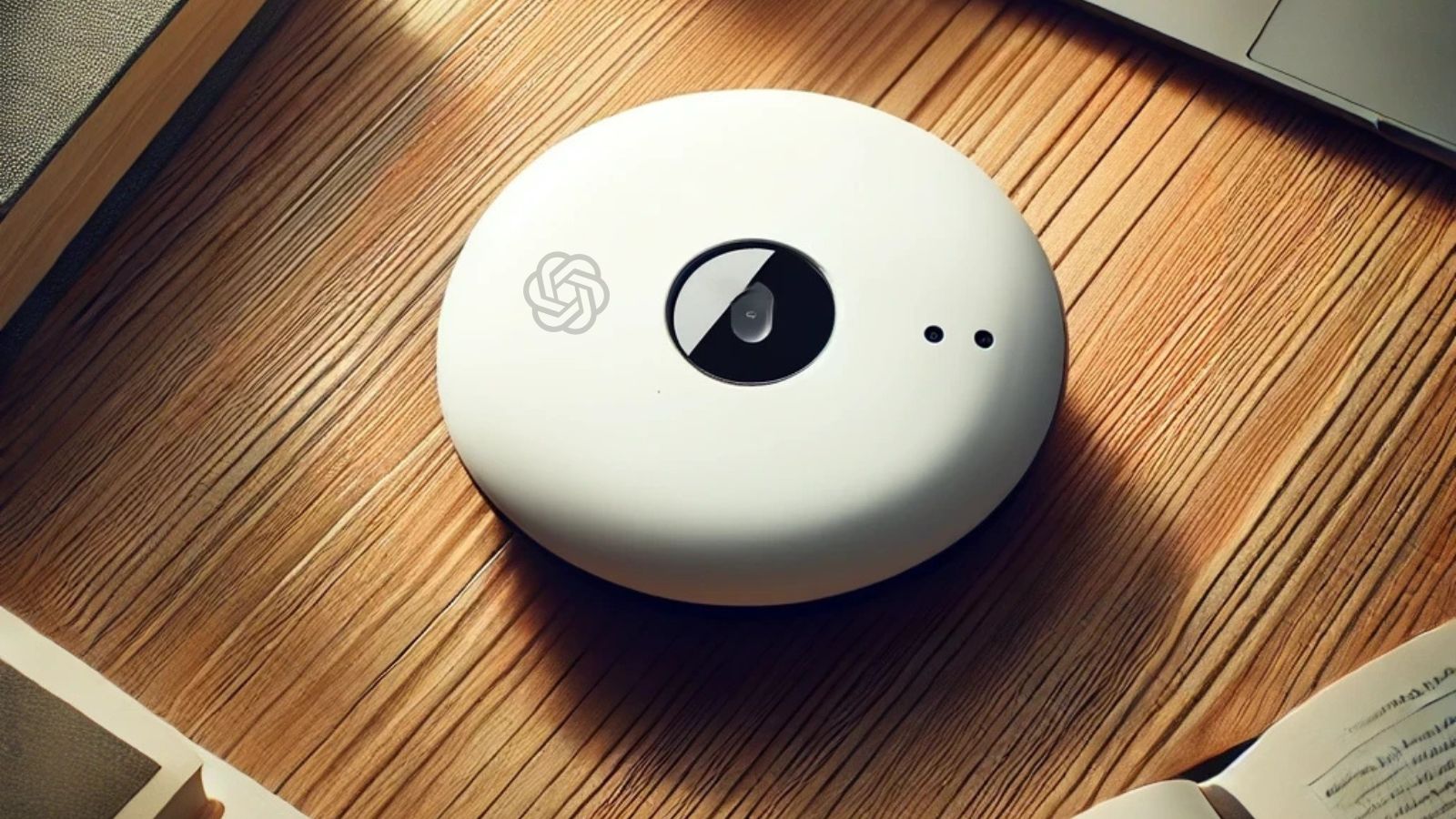
The device under development is described as a palm-sized gadget without a digital display, designed to constantly monitor its environment for audio and visual cues and respond proactively to user needs. The goal is to create an AI that feels accessible and helpful without being intrusive or overly personable. The team is grappling with avoiding the “weird AI girlfriend” effect—where AI becomes too sycophantic or emotionally dependent—while still feeling like a friendly companion.
Ive himself has expressed dissatisfaction with current technology, including smartphones and tablets, which he says contribute to human anxiety and discomfort. He envisions his new AI devices as tools to improve human well-being by fostering healthier and less stressful relationships with technology.
Challenges: Technical and Philosophical Snags
Despite the ambitious vision, the project is running into multiple hurdles:
-
Technical difficulties: Creating a compact, display-less device capable of continuous environmental monitoring and real-time AI interaction poses significant engineering challenges. Ensuring privacy, responsiveness, and battery efficiency are likely among the complex problems the team is solving.
-
Philosophical and design dilemmas: Balancing AI’s personality to be engaging but not intrusive or manipulative is a nuanced task. The team must design AI behavior that respects user autonomy and emotional boundaries while maintaining usefulness and friendliness. This challenge reflects broader industry struggles with chatbot design and user trust.
-
Rapid innovation pace: Ive has remarked on the speed of technological progress, noting that his team finds it difficult to keep focus amid rapid developments. He stressed that the final product should appear inevitable and obvious in its design—something that users immediately understand and want.
Potential Industry Impact
The combination of OpenAI’s cutting-edge generative AI capabilities with Jony Ive’s design expertise could reshape how AI integrates into daily life. If successful, these devices could:
-
Offer a new category of AI companions that do not rely on screens or keyboards, potentially freeing users from the negative psychological effects associated with smartphone use.
-
Pose a competitive threat to Apple, which has led the mobile device era but currently lags behind in generative AI integration.
-
Set new standards for ethical and user-friendly AI interactions, influencing how AI products are designed industry-wide.
Context and Outlook
This project exemplifies the current phase in AI development, where the focus is shifting from purely software-based solutions to integrated hardware-software ecosystems designed for seamless, ambient intelligence. Jony Ive’s involvement draws considerable attention due to his track record of transforming technology aesthetics and usability.
However, the reported snags highlight the complexity of this transition. Balancing innovation with user comfort, privacy, and ethical AI behavior remains a formidable challenge. OpenAI’s ambition to release millions of these devices indicates high confidence but also raises questions about timelines and readiness.
As of October 2025, details remain scarce, and the timeline for commercial release is unclear. Industry watchers will be closely monitoring how OpenAI and Ive navigate these hurdles and whether their vision will redefine the future of personal AI technology.
Key Takeaways:
-
Jony Ive’s AI device with OpenAI aims to redefine AI interaction through a palm-sized, display-less gadget acting as a friendly but non-intrusive companion.
-
Technical engineering and AI personality design challenges are causing delays and rethinking.
-
The project could disrupt the smartphone-dominated market and set new standards for AI usability and ethics.
-
The collaboration reflects a broader trend toward ambient, integrated AI hardware solutions moving beyond traditional screens.
This ambitious initiative underscores the complexities of marrying advanced AI with user-centered industrial design in pursuit of healthier human-technology relationships.


