
Krafton Launches Major AI Transition Program with Three-Year Salary Incentives
Krafton announces a comprehensive employee incentive program offering three years of salary support for staff transitioning into artificial intelligence roles, signaling the gaming company's aggressive pivot toward becoming an "AI-first" organization.
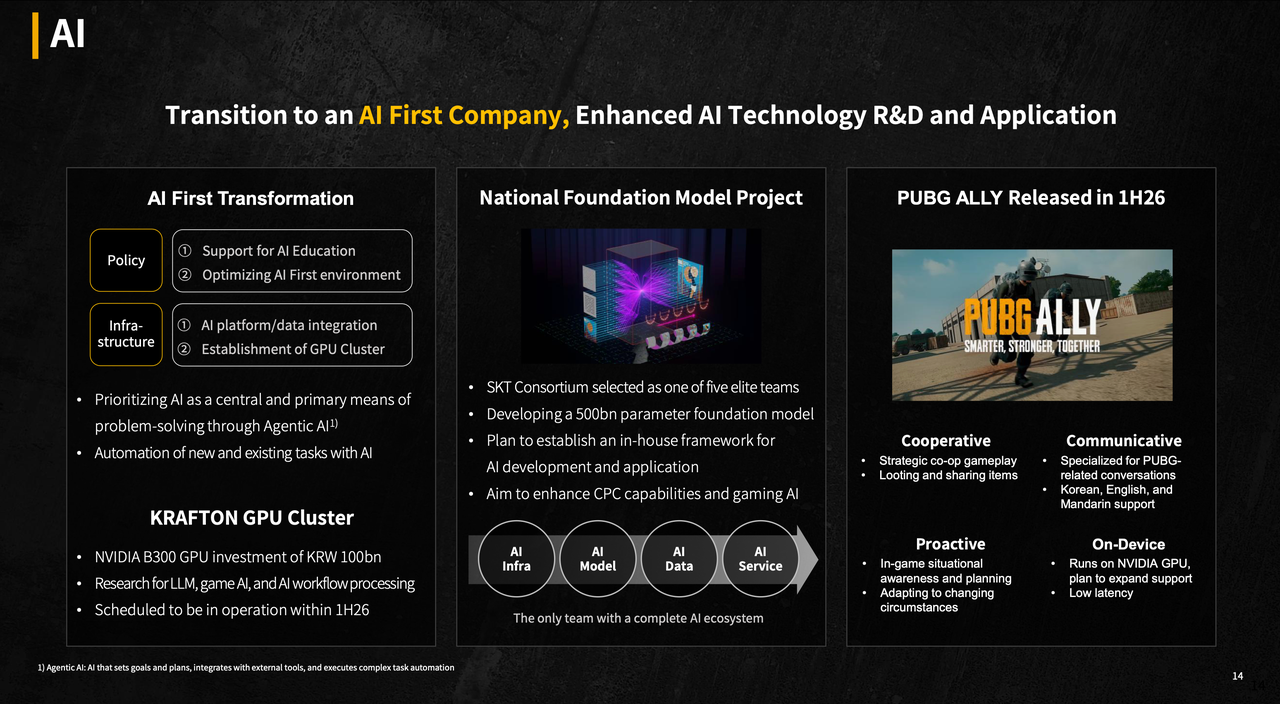
Krafton's Bold Move Into AI-First Operations
Krafton, the South Korean gaming giant behind PUBG, has announced a significant employee incentive program designed to accelerate its transformation into an "AI-first" company. The initiative provides three years of salary support for employees willing to transition into artificial intelligence-focused roles, representing a substantial commitment to workforce development and organizational restructuring.
This move comes as part of Krafton's broader strategic pivot, which includes a reported $70 million investment in AI capabilities and infrastructure. The salary incentive program demonstrates the company's recognition that successful AI transformation requires not just capital investment, but also human capital realignment and employee buy-in.
Program Structure and Scope
The three-year salary incentive represents a meaningful financial commitment designed to reduce the risk barrier for employees considering career transitions. By guaranteeing compensation during the transition period, Krafton aims to:
- Encourage existing talent to upskill in AI technologies
- Retain institutional knowledge while building new capabilities
- Create internal pathways for career development in emerging fields
- Reduce recruitment costs by developing talent from within
The program reflects a broader industry trend where established technology companies are investing heavily in internal workforce transformation rather than relying solely on external hiring to build AI expertise.
Strategic Context: The AI-First Transformation
Krafton's announcement aligns with the company's stated ambition to become an "AI-first" organization. This strategic positioning goes beyond simply incorporating AI into existing products—it represents a fundamental reimagining of how the company operates, develops games, and serves its player base.
The $70 million AI investment, combined with the employee incentive program, suggests Krafton is pursuing a comprehensive transformation strategy that addresses both technological infrastructure and human resources simultaneously. This dual approach acknowledges that AI adoption requires not just tools and platforms, but also a workforce capable of leveraging them effectively.
Industry Implications
Krafton's initiative arrives at a critical moment in the gaming industry's relationship with AI. Game developers are exploring AI applications across multiple domains:
- Content Generation: Procedural creation of game assets, environments, and narratives
- Player Experience: Personalization and dynamic difficulty adjustment
- Development Efficiency: Automation of routine coding and asset creation tasks
- Analytics: Enhanced player behavior analysis and monetization optimization
By proactively investing in employee transition programs, Krafton positions itself ahead of competitors who may face talent shortages or resistance to AI-driven organizational changes.
Workforce Development as Competitive Advantage
The three-year salary guarantee signals that Krafton views workforce development as a competitive differentiator. Rather than viewing AI transformation as a cost-cutting exercise, the company frames it as an opportunity for employee growth and organizational evolution.
This approach may also serve as a talent retention tool. Employees offered clear pathways into AI roles with financial security during transition periods are more likely to remain with the company rather than seek opportunities elsewhere. For a company managing a complex portfolio of gaming titles and services, retaining experienced staff while upskilling them represents significant strategic value.
Looking Ahead
Krafton's announcement raises important questions about how other gaming companies will respond to similar workforce transformation pressures. The success of this program could establish a template for responsible AI adoption in the gaming industry—one that prioritizes employee welfare alongside technological advancement.
The coming years will reveal whether Krafton's investment in both AI infrastructure and employee transition support yields competitive advantages in game development, player engagement, and operational efficiency.
Key Sources: Krafton official announcements regarding AI-first transformation strategy; industry analysis of gaming company AI investments and workforce restructuring initiatives.


