
Mattel and OpenAI Transform Toy Design with AI Video Tech
Mattel partners with OpenAI to use Sora 2 AI video generation, transforming toy design with rapid visualization and enhanced creativity.
Mattel and OpenAI Transform Toy Design with AI Video Tech
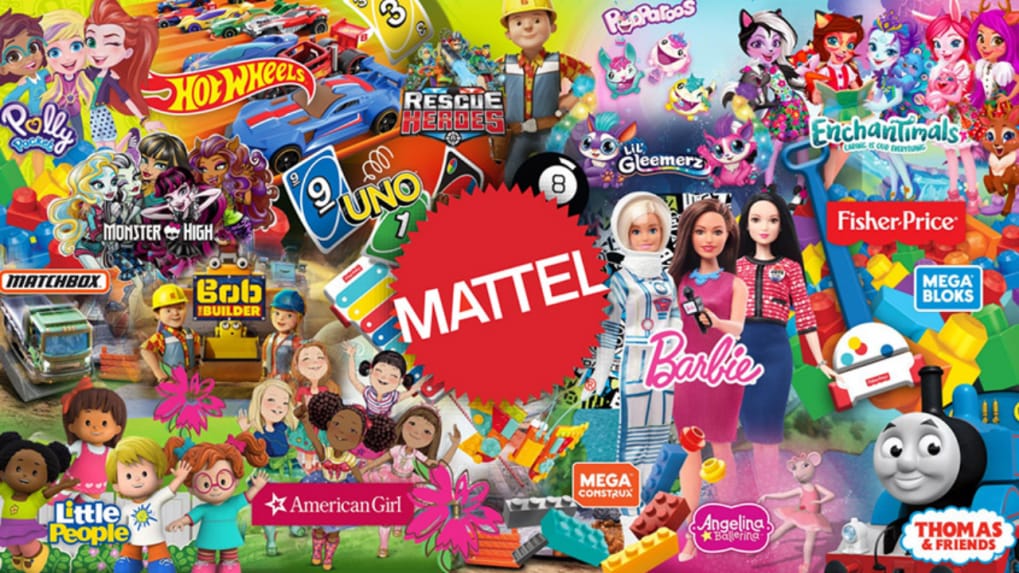
Mattel, the iconic global toy manufacturer behind brands like Barbie and Hot Wheels, has officially partnered with OpenAI to integrate the advanced Sora 2 AI video generation model into its product development and marketing workflows. This collaboration, announced in 2025, marks a pioneering move in the toy industry to leverage generative AI for accelerating product visualization and enhancing creativity.
Transforming Toy Design with AI Video Generation
Traditionally, designing and prototyping new toys involves lengthy cycles of sketches, physical models, and video or photo shoots to showcase concepts. Mattel’s adoption of OpenAI’s Sora 2, a cutting-edge AI system capable of generating realistic product videos from simple sketches or textual descriptions, dramatically compresses this timeline.
OpenAI CEO Sam Altman highlighted the practical benefits at a recent Developer Day event: “One of their designers can now start with a sketch and then turn these early concepts into something that you can see and share and react to.” This means Mattel’s designers can create high-fidelity, shareable video concepts within hours rather than weeks or months, enabling faster iteration and more dynamic collaboration across teams.
The Sora 2 API empowers Mattel to:
- Instantly visualize new toy designs through AI-generated videos
- Share engaging multimedia concepts internally and with external partners
- Accelerate decision-making by seeing near-final product presentations early in the design phase
- Experiment with a wider range of ideas with reduced resource costs
Strategic Implications for Mattel and the Toy Industry
Mattel’s partnership with OpenAI represents a strategic embrace of generative AI to maintain a competitive edge in a rapidly evolving market. By integrating AI video generation, Mattel is pushing beyond traditional manufacturing boundaries into a future where digital and physical product experiences converge.
Industry analysts see this move as part of a broader trend where AI technologies are transforming creative industries:
- AI accelerates creative workflows and reduces time-to-market for new products
- It enables more personalized, interactive, and immersive consumer experiences
- Companies adopting AI early are likely to capture larger market share and innovate faster
As one of the first major toy companies to deploy such AI-driven tools, Mattel is setting an example that could reshape product development standards across the sector.
Future Prospects and Investor Reaction
While the initial focus is on design ideation and product visualization, the partnership hints at future innovations such as AI-powered interactive toys and personalized digital content experiences. Mattel is expected to announce its first AI-enhanced product lines later this year, signaling an exciting new chapter for the company.
Following the news of the partnership, Mattel’s stock experienced an uptick, reflecting investor confidence in the company’s digital transformation strategy and its potential for enhanced creativity and efficiency through AI integration.
Visualizing the Technology
Images associated with this development show:
- Mattel’s iconic branding alongside OpenAI’s logo, symbolizing the collaboration
- Screenshots and concept art of AI-generated product videos produced using Sora 2
- Designers working with digital sketches transformed into vivid video prototypes
These visuals underscore how Sora 2 empowers Mattel’s creative teams to bring ideas to life quickly and vividly.
Context and Industry Impact
Mattel’s adoption of OpenAI’s Sora 2 is part of a broader wave of AI adoption in manufacturing and design industries. The use of generative AI models for video and image creation is reshaping how companies innovate, communicate, and engage consumers.
- Generative AI in product design enables rapid prototyping without the need for expensive physical models or traditional video shoots.
- Consumer engagement improves as brands can produce vivid, customized content that resonates more effectively.
- Sustainability gains may also result by reducing material waste and resource use in prototyping.
Mattel’s move signals a notable shift where AI becomes a core tool not only in tech sectors but also in traditional manufacturing and entertainment industries, heralding a new era of creative possibilities driven by artificial intelligence.
Key Takeaways
- Mattel partners with OpenAI to use Sora 2 AI video generation for rapid product concept visualization.
- AI enables designers to convert sketches into shareable, realistic video prototypes in hours.
- This collaboration accelerates design cycles, enhances creativity, and positions Mattel as an innovation leader.
- Preliminary focus is on ideation; AI-enhanced products and experiences are expected soon.
- Positive market response reflects confidence in AI-driven transformation.
This partnership exemplifies how next-generation AI technologies are reshaping industries once thought impervious to digital disruption, driving innovation from concept to consumer faster than ever before.


