
Meta Secures AI Content Licensing Deals with Major News Publishers
Meta has finalized comprehensive agreements with leading news organizations to govern the use of artificial intelligence across its platforms, marking a significant step in addressing publisher concerns over AI-generated content and data usage.
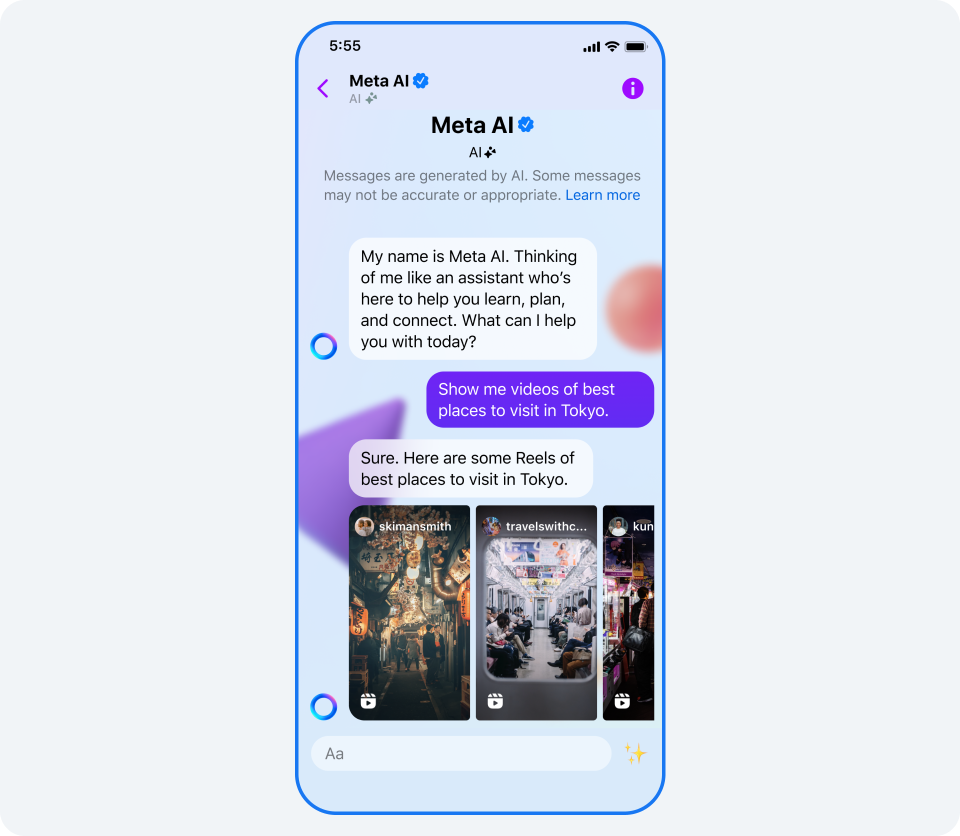
Meta Finalizes AI Agreements with Major News Publishers
Meta has reached definitive agreements with prominent news publishers regarding the deployment and governance of artificial intelligence technologies across its platforms. The deals represent a critical development in the ongoing tension between technology companies and media organizations over content rights, data usage, and the role of AI in news distribution.
Understanding the Scope of the Agreements
The finalized arrangements establish clear parameters for how Meta's AI systems interact with publisher content. These agreements address several key areas:
- Content licensing frameworks that define how AI models can access and utilize news articles
- Compensation structures for publishers whose work trains or informs AI systems
- Transparency requirements around algorithmic content curation and AI-generated summaries
- Data usage policies governing how publisher information flows through Meta's AI infrastructure
The negotiations underscore the complexity of integrating generative AI into platforms that depend heavily on third-party content. Publishers have increasingly sought formal agreements to protect their intellectual property as AI systems become more sophisticated at processing and synthesizing written material.
Strategic Implications for the Industry
These agreements signal Meta's commitment to establishing collaborative rather than adversarial relationships with news organizations. By formalizing terms upfront, Meta aims to preempt regulatory scrutiny and potential litigation—concerns that have plagued other tech platforms navigating similar terrain.
The deals also reflect broader industry trends. News publishers have grown more assertive in demanding compensation for content used to train large language models. Several major outlets have pursued legal action or licensing negotiations with AI companies, establishing precedent for formal payment arrangements.
For Meta specifically, the agreements provide operational clarity. The company can now integrate news content into its AI features—including content summaries, chatbot responses, and recommendation systems—with explicit publisher consent and defined compensation mechanisms.
Technical Implementation Considerations
The technical architecture supporting these agreements likely involves:
- API-level controls allowing publishers to manage which content AI systems can access
- Attribution systems that credit original sources when AI generates summaries or references news
- Audit mechanisms enabling publishers to verify compliance with agreed-upon terms
- Opt-in/opt-out frameworks giving publishers granular control over different AI applications
These technical requirements represent meaningful engineering challenges. Meta must balance publisher demands for control with the operational efficiency needed to scale AI features across billions of users.
Broader Context and Future Outlook
The publisher agreements arrive as Meta accelerates AI integration across its ecosystem. The company has invested heavily in generative AI capabilities, from content recommendation to user-facing chatbots. Formalizing relationships with news organizations removes a significant regulatory and reputational risk.
However, questions remain about the long-term sustainability of these arrangements. As AI models become more capable and news consumption patterns continue shifting, the economics of content licensing may require renegotiation. Publishers will likely monitor whether compensation structures keep pace with AI's expanding role in their distribution.
The agreements also set precedent for how other technology platforms should engage with content creators. Competitors including Google, OpenAI, and others face similar pressures to formalize relationships with publishers, making Meta's approach a potential template for industry-wide standards.
Key Sources
- Meta official announcements regarding publisher partnerships and AI governance
- Industry analysis on AI licensing agreements and publisher compensation models
- Technical documentation on Meta's AI infrastructure and content integration systems
Looking Ahead: As these agreements take effect, the focus will shift to implementation and enforcement. The success of Meta's publisher relationships will likely influence how the broader tech industry approaches content licensing in the AI era.


