
Microsoft Reports 18% Revenue Growth Driven by Cloud and AI
Microsoft reports an 18% revenue increase to $77.7 billion, driven by cloud services and AI investments, despite concerns over Azure growth and AI costs.
Microsoft's Cloud and AI-Driven Earnings Beat Wall Street Expectations
Microsoft recently reported its quarterly earnings, surpassing Wall Street expectations with a revenue increase of 18% to $77.7 billion. This robust performance was driven by the company's cloud services, particularly Azure, and significant investments in artificial intelligence. Despite strong earnings, Microsoft's shares slipped in after-hours trading due to concerns over slower-than-expected Azure growth and the substantial costs associated with AI infrastructure.
On September 30, 2025, Microsoft concluded its fiscal quarter, marking a significant year-over-year increase in revenue. The company's cloud computing segment, including Azure, saw a notable 40% growth in revenue compared to the same period last year. This substantial expansion underscores Microsoft's success in leveraging cloud technology to drive business growth. However, Azure's growth was slightly below some analysts' optimistic projections, contributing to investor caution.
Microsoft's commitment to AI is evident in its substantial investments, including a $3.1 billion impact on net income from its investment in OpenAI. The company's capital expenditures reached nearly $35 billion, reflecting its aggressive strategy to expand cloud and AI capabilities. This investment is crucial for meeting the high demand for cloud services and maintaining a competitive edge in the AI market.
Key Financial Highlights
- Revenue: $77.7 billion, up 18% year-over-year.
- Azure and Cloud Services: 40% revenue growth.
- Capital Expenditures: Approximately $35 billion.
- OpenAI Investment Impact: $3.1 billion on net income.
- Non-GAAP Earnings Per Share (EPS): $4.13, a 23% increase from the previous year.
Background
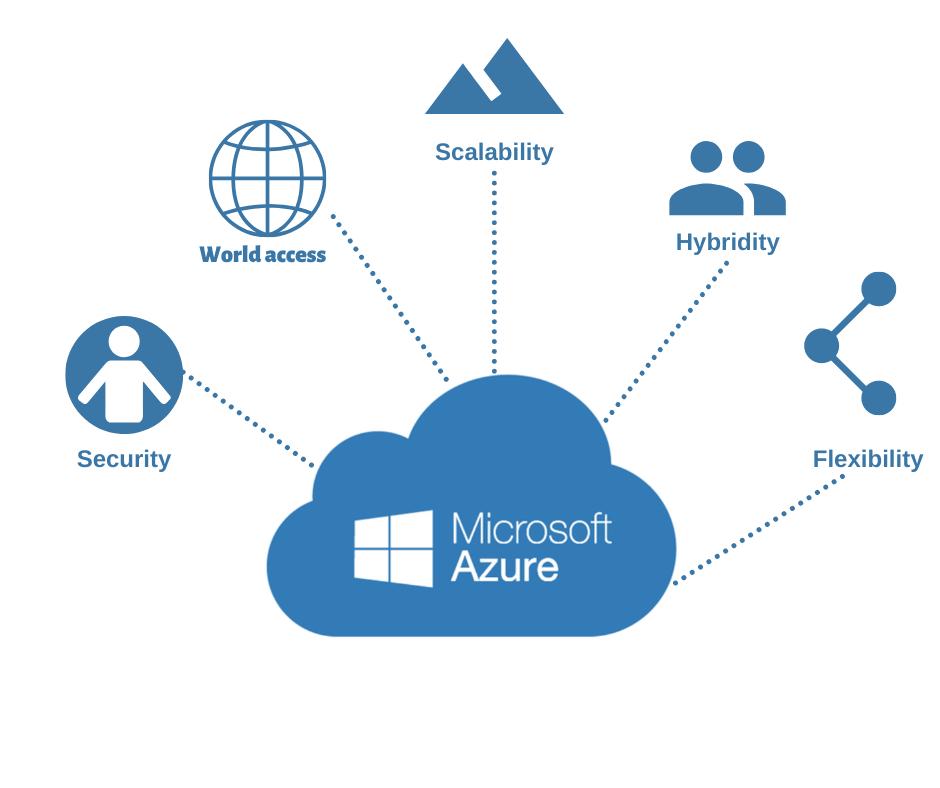
Microsoft's cloud services have been a cornerstone of its growth strategy, with Azure playing a pivotal role. The platform offers a wide range of cloud computing services, from infrastructure as a service (IaaS) to platform as a service (PaaS), catering to businesses' evolving needs for scalability and flexibility. The recent earnings report highlights the company's ability to capitalize on the growing demand for cloud solutions, which has been accelerated by the digital transformation of industries worldwide.
AI and Cloud Integration
Microsoft's integration of AI into its cloud services is designed to enhance customer offerings with advanced analytics, machine learning, and automation capabilities. This strategic focus on AI is part of a broader industry trend, where companies are leveraging AI to improve operational efficiency, enhance customer experiences, and drive innovation. However, the significant investment in AI infrastructure has raised concerns about the impact on profitability, as evidenced by the $3.1 billion hit to net income from OpenAI investments.
Industry Impact
Microsoft's performance in the cloud and AI sectors has significant implications for the broader technology industry. The company's success in these areas reinforces the importance of cloud computing and AI in driving business growth and digital transformation. As more companies adopt cloud services and AI technologies, Microsoft is well-positioned to capitalize on this trend, given its strong portfolio of cloud offerings and AI capabilities.
Market Reaction
Despite the strong earnings report, Microsoft's stock price experienced a slight decline in after-hours trading due to investor concerns over Azure's growth and the costs associated with AI investments. This reaction underscores the ongoing challenges faced by technology companies in balancing growth with profitability, particularly in the context of significant investments in emerging technologies like AI.
Context and Implications
Microsoft's earnings report highlights the company's strategic focus on cloud and AI, which are critical components of its growth strategy. The substantial investments in these areas demonstrate Microsoft's commitment to staying at the forefront of technological innovation and meeting the evolving needs of its customers. While the costs associated with these investments have raised concerns about profitability, they are essential for maintaining a competitive edge in the rapidly evolving tech landscape.
As the technology sector continues to evolve, Microsoft's ability to balance growth with profitability will be closely watched. The company's success in cloud and AI will likely influence other tech companies' strategies, as they seek to leverage these technologies to drive their own growth and innovation.
Future Outlook
Looking ahead, Microsoft's future performance will depend on its ability to sustain growth in cloud services while managing the costs associated with AI investments. The company's strategic partnerships and continued innovation in AI and cloud technologies will be crucial in addressing these challenges. As the demand for cloud and AI solutions continues to rise, Microsoft is poised to remain a key player in these markets, driving both its own growth and the broader digital transformation of industries worldwide.
Image Search Notes
For this article, relevant images could include:
- Microsoft's Logo: A symbol of the company's brand and identity.
- Azure Cloud Platform: Screenshots or diagrams illustrating Azure's capabilities.
- OpenAI Logo: Representing Microsoft's significant investment in AI.
- Satya Nadella: Microsoft's CEO, who has been instrumental in driving the company's cloud and AI strategies.
- Visual Representations of Cloud Services: Infographics or diagrams showcasing the growth and impact of cloud computing.
These images would enhance the article by providing visual context to the discussion of Microsoft's cloud services and AI investments.


