

Microsoft Warns: China Is Winning the AI Race in Developing Nations
Microsoft's latest report reveals China's AI models are rapidly gaining traction in emerging markets, outpacing Western competitors in regions critical to global AI adoption. The shift signals a fundamental realignment in the geopolitics of artificial intelligence.
The Emerging AI Divide
The competitive landscape for artificial intelligence is fracturing along geographic lines. According to Microsoft's latest analysis, Chinese AI models—particularly DeepSeek—are gaining significant traction in developing nations, challenging the dominance of Western AI providers that have long assumed leadership in emerging markets.
This shift represents more than a commercial rivalry. Microsoft has raised concerns about the strategic implications of China's AI expansion in regions where digital infrastructure and AI literacy are still developing. The stakes are high: developing nations represent the next frontier for AI adoption, and whoever controls the tools shaping these economies may influence their technological trajectories for decades.
Why China's Models Are Winning
Several factors explain the rapid adoption of Chinese AI solutions in emerging markets:
- Cost Efficiency: Chinese models operate at significantly lower price points than Western alternatives, making them accessible to resource-constrained organizations and governments
- Open-Source Accessibility: DeepSeek and similar Chinese models are often released as open-source projects, enabling rapid customization and deployment without licensing restrictions
- Localization: Chinese developers have prioritized multilingual support and region-specific features tailored to developing economies
- Minimal Regulatory Friction: Unlike Western models, Chinese solutions face fewer compliance barriers in markets with different data governance standards
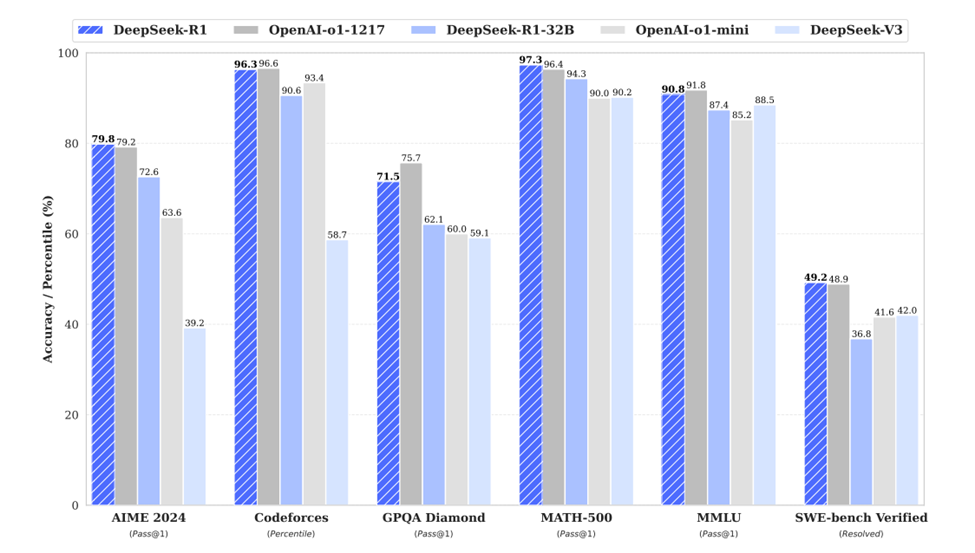
According to reports, DeepSeek's performance benchmarks have surprised industry observers, with the model demonstrating competitive reasoning capabilities while maintaining lower computational requirements—a critical advantage in regions with limited cloud infrastructure.
Microsoft's Strategic Concern
Microsoft's warning reflects a broader anxiety within the Western tech establishment. The company has built its AI strategy around premium offerings like Copilot and integrated AI services, which assume stable internet connectivity and organizational budgets for enterprise software. This model struggles in price-sensitive markets where cost-per-inference matters more than feature richness.
The company's report suggests that without strategic intervention, Western AI providers risk ceding emerging markets to Chinese competitors. This isn't merely a revenue concern—it's about technological influence. Nations that adopt Chinese AI infrastructure early may build their digital ecosystems around those tools, creating long-term vendor lock-in and geopolitical dependencies.
The Broader Implications
The AI race in developing nations reflects deeper tensions in the global technology landscape:
Economic Sovereignty: Developing nations increasingly view AI adoption as critical to economic competitiveness. Chinese solutions offer a path to AI capability without dependence on Western cloud providers or licensing agreements.
Data Governance: Western AI models operate under frameworks emphasizing data privacy and regulatory compliance. Chinese models, operating under different regulatory regimes, may offer more flexibility—though with different privacy implications.
Technical Standards: Whichever ecosystem dominates developing markets will likely establish de facto standards for AI deployment, training methodologies, and model architectures in those regions.
Industry analysts note that Microsoft's warning should be understood as both a genuine strategic assessment and a call for Western policymakers to address the competitive gap. The company is essentially arguing that without policy support and pricing adjustments, Western AI leadership in emerging markets is not guaranteed.
What Comes Next
The outcome of this competition will shape not just commercial markets but the global distribution of AI capability. If Chinese models achieve dominant market share in developing nations, the resulting data flows, feedback loops, and technical standards could accelerate Chinese AI development while constraining Western influence in regions representing billions of potential users.
Microsoft's warning is clear: the AI race is not being won in Silicon Valley alone.


