

Musk Claims Optimus Robots Will Self-Build in Self-Replicating Factories
Elon Musk has proposed that Tesla's future Optimus humanoid robots will possess the capability to construct themselves using advanced self-replicating factory technology, marking a significant shift in manufacturing automation and robotics development.
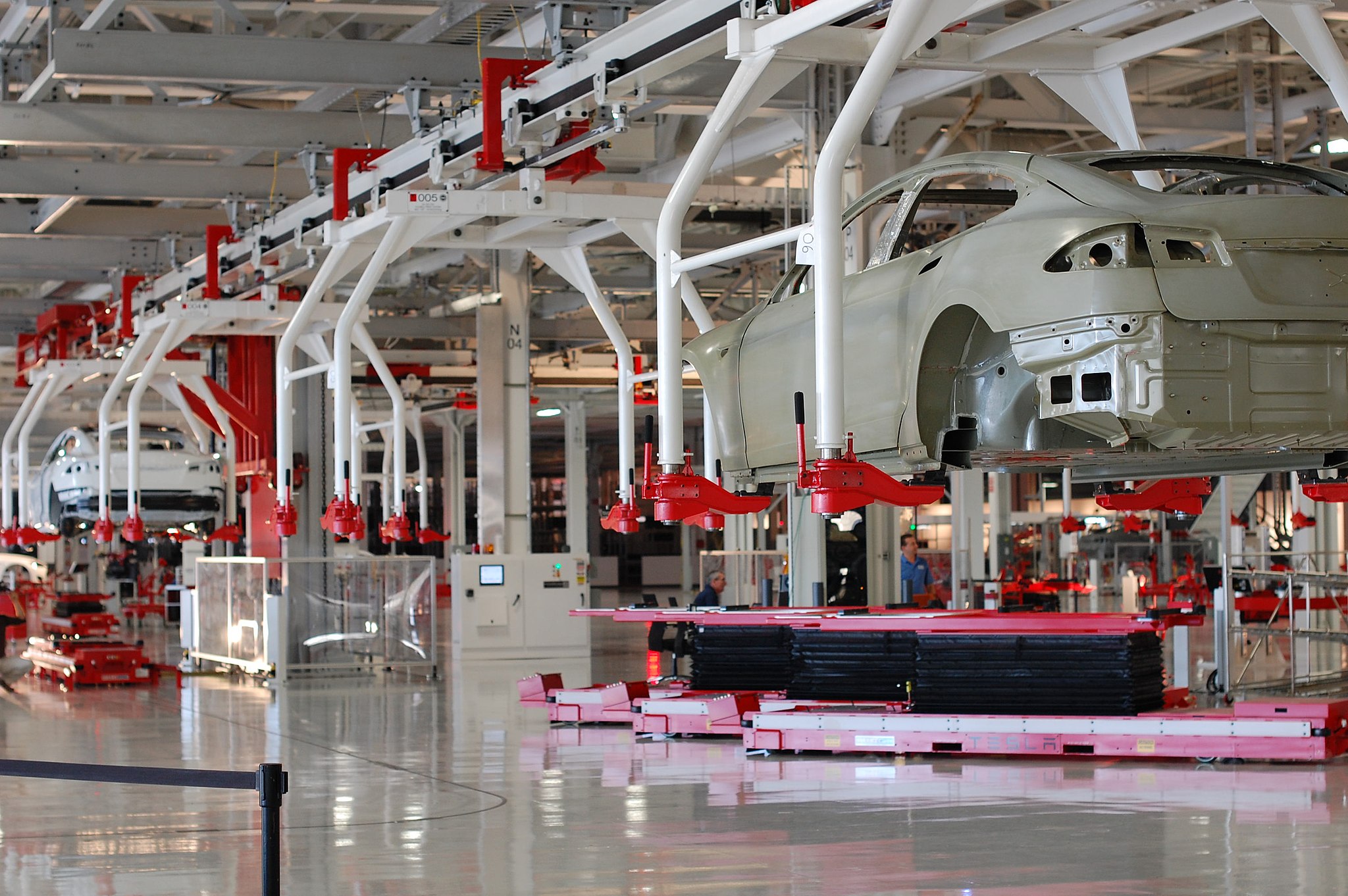
Optimus Robots to Self-Construct Through Advanced Factory Automation
Elon Musk has proposed an ambitious vision for Tesla's Optimus humanoid robots: the ability to construct themselves using self-replicating factory technology. This concept represents a fundamental reimagining of manufacturing automation, where robots would not only assemble products but also build their own successors in an autonomous production cycle.
The proposal suggests a future where Optimus robots operate within highly advanced manufacturing facilities capable of self-replication—essentially factories that can expand and optimize their own production capabilities without direct human intervention. This would create a closed-loop system where robotic workers manufacture components, assemble units, and continuously improve production efficiency.
How Self-Replicating Factory Technology Works
Self-replicating factory systems operate on principles of automation and machine learning optimization. The concept involves:
- Autonomous component manufacturing: Robots produce parts and subassemblies with minimal human oversight
- Adaptive production lines: Factory systems adjust processes based on real-time performance data
- Continuous improvement cycles: Manufacturing processes optimize themselves through iterative refinement
- Scalable infrastructure: Facilities can expand production capacity by manufacturing additional equipment
Tesla's existing factory operations in Fremont and other locations already employ sophisticated robotics and automation. The company has demonstrated advanced manufacturing techniques through its Model S, Model X, and Model 3 production lines, where robots handle welding, assembly, and quality control tasks.
Implications for Manufacturing and Robotics
The self-building Optimus concept carries significant implications across multiple sectors:
Manufacturing Efficiency: If realized, self-replicating factories could dramatically reduce production costs and timelines. Robots building robots would eliminate many bottlenecks associated with traditional manufacturing supply chains.
Scalability: Self-constructing robots could enable rapid deployment of automation across industries—from automotive to electronics to logistics. A single facility could theoretically expand its robotic workforce exponentially.
Economic Disruption: The technology raises questions about labor displacement and the future of manufacturing employment. Widespread robotic self-replication could fundamentally alter workforce dynamics across industrial sectors.
Technical Challenges: Achieving true self-replication requires solving complex engineering problems, including precision manufacturing at scale, quality control without human verification, and fail-safe mechanisms to prevent runaway production.
Tesla's Current Robotics Strategy
Tesla has already invested heavily in factory automation. The company employs thousands of robots across its manufacturing facilities, handling tasks from stamping and welding to final assembly. Optimus represents the next evolution—a general-purpose humanoid robot designed for diverse tasks beyond traditional assembly line work.
The Optimus project aims to create a robot capable of performing repetitive, dangerous, or physically demanding work across multiple industries. Early prototypes have demonstrated capabilities in basic manipulation, navigation, and task learning.
Technical Feasibility and Timeline
While Musk's vision is compelling, significant technical hurdles remain. Self-replicating systems require:
- Advanced artificial intelligence for autonomous decision-making
- Precision manufacturing capabilities at unprecedented scales
- Robust quality assurance without human intervention
- Fail-safe mechanisms and safety protocols
Industry experts suggest such systems remain years away from practical implementation, though incremental advances in robotics and automation continue steadily.
Looking Forward
Musk's proposal reflects broader industry trends toward greater automation and artificial intelligence integration in manufacturing. Whether self-replicating factories become reality depends on breakthroughs in robotics, AI, and manufacturing technology.
The vision underscores Tesla's ambition to transform not just transportation but the entire manufacturing ecosystem. As automation technology advances, the line between science fiction and industrial reality continues to blur.
Key Sources: Tesla's official robotics announcements and Elon Musk's public statements regarding Optimus development; industry analysis from robotics and manufacturing technology experts.


