
Nvidia CEO Warns China's Infrastructure Pace Could Undermine US AI Leadership
Jensen Huang raises alarm over China's rapid infrastructure development, arguing that accelerated deployment of AI systems could threaten America's competitive edge in artificial intelligence and reshape the global technology landscape.
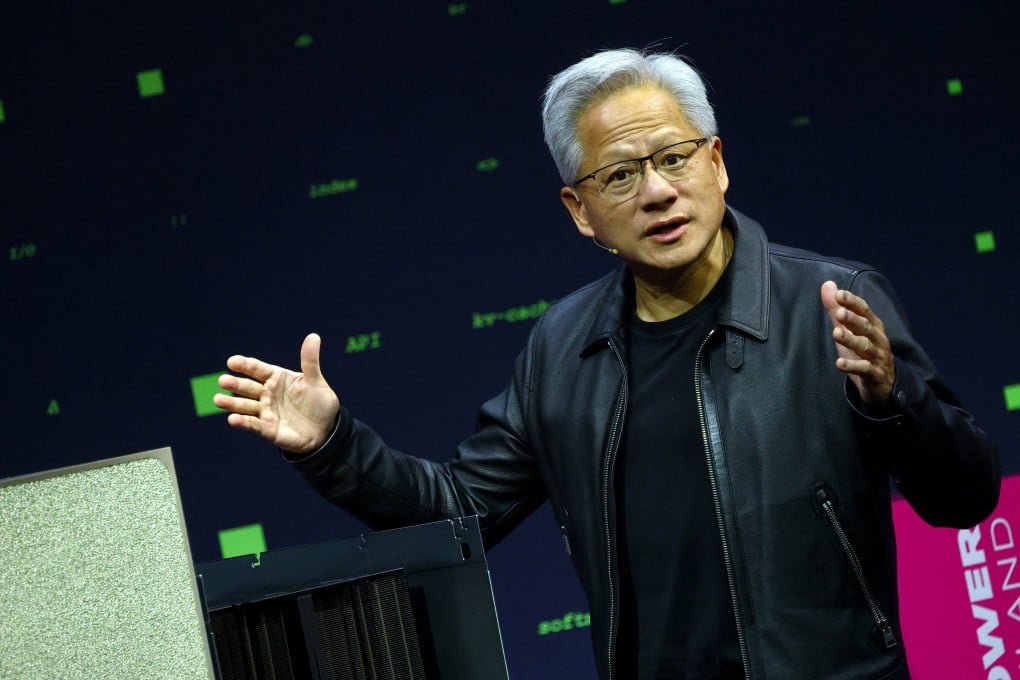
Nvidia CEO Issues Stark Warning on China's AI Infrastructure Advantage
Jensen Huang, CEO of Nvidia, has sounded a significant alarm about the pace at which China is building out its artificial intelligence infrastructure, warning that the speed of deployment poses a direct threat to the United States' dominant position in AI development and deployment. The warning underscores growing concerns within Silicon Valley about the geopolitical dimensions of the AI race and the critical importance of infrastructure investment in determining technological leadership.
Huang's comments reflect a broader anxiety among American tech leaders about China's strategic focus on rapidly scaling AI capabilities. While the U.S. has maintained advantages in AI research, talent, and chip design, China's willingness to invest heavily in infrastructure and deploy systems at scale presents a competitive challenge that cannot be ignored.
The Infrastructure Speed Advantage
The core of Huang's concern centers on how quickly China can construct and operationalize AI infrastructure at national scale. This includes data centers, computing clusters, and the integration of AI systems across industries and government operations. The speed advantage is particularly significant because:
- Rapid deployment cycles allow China to iterate and improve AI systems faster
- Centralized decision-making enables faster infrastructure buildout without regulatory delays
- Large-scale implementation creates network effects that accelerate AI advancement
- Data accumulation from widespread deployment feeds back into model improvement
Unlike the United States, where infrastructure projects face lengthy regulatory approval processes, environmental reviews, and public scrutiny, China's state-directed approach can move from planning to implementation in compressed timeframes. This structural advantage in execution speed could compound over time, creating a widening gap in practical AI capabilities.
Implications for US Technological Dominance
The warning carries significant weight given Nvidia's central position in the global AI supply chain. As the dominant manufacturer of GPUs—the specialized chips essential for training and running large language models—Huang's perspective reflects deep insight into how AI infrastructure is being deployed worldwide.
If China's infrastructure advantage translates into faster AI system deployment and refinement, the implications extend beyond commercial competition. The ability to rapidly scale AI systems affects:
- Military and defense applications where AI capabilities increasingly matter
- Economic productivity and competitive advantage in key industries
- Standards-setting for AI governance and technical protocols
- Talent attraction as success breeds investment and opportunity
The Broader Context
This warning arrives amid ongoing U.S. government efforts to maintain technological leadership through export controls on advanced chips, investment in domestic semiconductor manufacturing, and strategic partnerships with allied nations. The Biden and Trump administrations have both prioritized AI competitiveness as a national security imperative.
However, Huang's comments suggest that regulatory and export restrictions alone may not be sufficient if China can leverage its infrastructure advantages to accelerate practical AI deployment. The real competition, in this view, is not just about who builds the most advanced chips or trains the largest models, but who can most effectively integrate AI systems into economic and social infrastructure.
Key Takeaways
The Nvidia CEO's warning reflects a realistic assessment of competitive dynamics in AI development. While the U.S. maintains significant advantages in research institutions, venture capital, and technical talent, China's ability to rapidly deploy infrastructure at scale represents a genuine competitive threat that American policymakers and industry leaders cannot dismiss.
Addressing this challenge will likely require not just export controls and chip restrictions, but also accelerated domestic infrastructure investment, streamlined regulatory processes for AI deployment, and sustained commitment to maintaining technological leadership across the full spectrum of AI capabilities.
Key Sources: Nvidia CEO statements on AI competitiveness and infrastructure development; Analysis of U.S.-China technological competition in artificial intelligence; Industry assessments of infrastructure deployment timelines and competitive advantages.


