
NYC Faces $8 Billion Budget Gap as Mamdani Prepares Reforms
NYC faces a $5-$8 billion budget gap as Mayor-elect Mamdani prepares reforms, potentially using AI to enhance fiscal management.
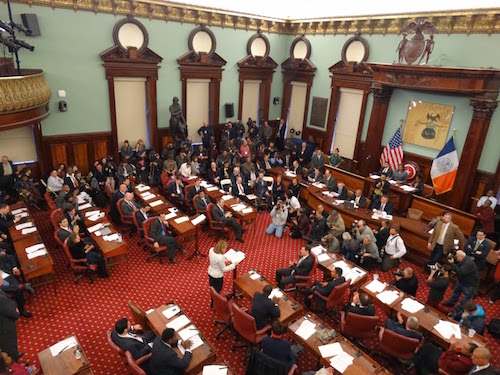
Budget Crunch Could Propel Zohran Mamdani Into Urgent Fiscal Reforms — With AI as a Potential Ally
New York City faces a significant budget shortfall estimated between $5 billion to $8 billion as it prepares for the fiscal year 2026, placing intense pressure on Mayor-elect Zohran Mamdani to deliver a transformative first budget by February 2026. The financial challenges come amid a backdrop of pessimistic revenue forecasts, overspending on some fronts, and underutilization of budgeted staff, which together have created complex fiscal dynamics that Mamdani’s administration must navigate carefully.
The Context of Mamdani’s Budget Challenge
Zohran Mamdani, a Democratic socialist and newly elected mayor, inherits a city budget environment marked by a history of revenue underestimation and politically motivated budgeting practices. Over recent years, New York City’s executive budgets have consistently underestimated revenues by an average of 14%, three times the pre-COVID error rate. This conservative forecasting has led to "underbudgeting" and "overbudgeting" practices used to manage political narratives rather than fiscal realities.
For example, the city overestimated spending on asylum seekers in fiscal year 2024, with actual costs falling $1.9 billion below forecasts, while at the same time maintaining budgeted staff levels that remained unfilled, resulting in underspending of $1.4 billion in fiscal 2025. These factors have created a distorted fiscal picture, complicating Mamdani’s task of presenting a realistic and responsible budget.
Mamdani’s Reform Agenda
Mamdani campaigned on promises to tackle New York’s cost of living crisis and confront corporate greed, proposing policies such as rent freezes and higher taxes on wealthy individuals and businesses. These proposals have drawn sharp opposition from New York City's business elite, including CEOs and billionaires who spent over $40 million trying to defeat him, fearing that his policies could make the city less business-friendly.
Despite this resistance, Mamdani has committed to delivering concrete actions within his first 100 days to address affordability and fiscal stability. He is expected to submit his preliminary budget proposal by February 1, 2026, which must address the looming budget gap while balancing demands for social reforms and economic growth.
The Role of Artificial Intelligence in Budget Reforms
One promising tool that could aid Mamdani’s administration in navigating this fiscal crisis is artificial intelligence (AI). AI can enhance budget forecasting accuracy, optimize resource allocation, and identify inefficiencies in city spending. By leveraging AI-driven data analytics, the city could move beyond the overly pessimistic revenue forecasts that have plagued past budgets, helping to create more realistic financial plans.
Additionally, AI can support scenario modeling that enables policymakers to test the impacts of different revenue and spending assumptions under various economic conditions. This capability is critical for a city facing unpredictable financial pressures, including migration-related costs and fluctuating tax incomes.
Moreover, AI could improve operational efficiencies in city departments by automating routine tasks and highlighting underutilized resources, potentially reducing the need for budget cuts that affect frontline services. Such technological integration aligns with Mamdani’s reformist agenda by promoting smarter governance rather than austerity.
Industry and Public Sector Reactions
The business community remains skeptical but pragmatic. While many CEOs and wealthy individuals opposed Mamdani’s election due to his progressive tax plans and rhetoric against corporate excess, they acknowledge the necessity of working with his administration to address the city’s challenges.
Public advocacy groups emphasize the importance of transparency and equity in the budget process, urging Mamdani to use this budget crisis as an opportunity to implement long-overdue reforms that could address systemic inequalities in city spending.
Implications for New York City
Mamdani’s first budget will set the tone for his administration and could signal a shift toward greater fiscal responsibility infused with social equity goals. The integration of AI tools may modernize New York City’s budgetary process, reducing the reliance on politicized forecasting and enabling more precise management of the city’s complex finances.
However, closing a multi-billion-dollar budget gap amid competing demands for increased social spending and economic growth will require careful compromise and innovative solutions. The stakes are high: the decisions made in this budget will impact millions of New Yorkers facing affordability pressures in housing, healthcare, and public services.


