
OpenAI Opens ChatGPT App Store for Developer Submissions
OpenAI launches the ChatGPT app store, inviting developers to submit apps for integration within the ChatGPT interface, expanding its platform capabilities.
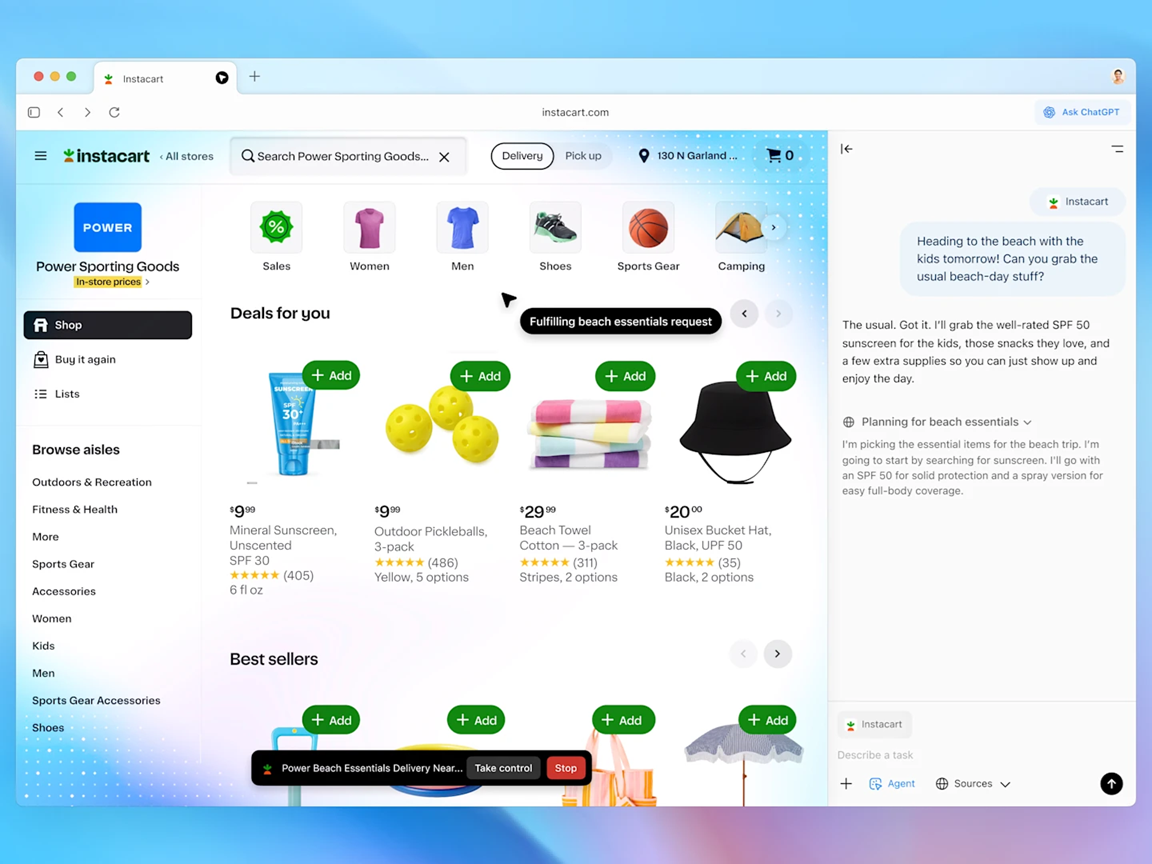
OpenAI Opens ChatGPT App Store for Developer Submissions
The ChatGPT app store, an in-product app directory allowing developers to publish interactive apps within the ChatGPT interface, is now open for submissions. This marks a significant expansion of OpenAI’s efforts to transform ChatGPT into a platform for third-party functionality and commerce.
Background
OpenAI initially introduced extensibility for ChatGPT through plugins and a developer SDK. The new app directory formalizes this ecosystem into an app store model, where developers can submit apps for review and publication, and users can discover and install apps directly within ChatGPT. The developer submission portal and documentation are now live on OpenAI’s developer site.
Key Features and Developer Controls
-
App Submission and Review: Developers can submit apps via OpenAI’s developer portal. Apps undergo a review process before appearing in the directory. Early feedback indicates some friction in business verification and dashboard status tracking, which OpenAI aims to refine.
-
Commerce and Monetization Rules: Current guidelines restrict commerce within apps to physical goods, disallowing the sale of digital products, subscriptions, tokens, or credits. This cautious approach to monetization reflects compliance and policy considerations.
-
SDKs and Integration: OpenAI provides an SDK and documentation to facilitate app functionality within ChatGPT. Apps can call external APIs and create interactive experiences, enhancing ChatGPT’s capabilities without users leaving the chat.
Why This Matters
-
Platformization of Conversational AI: By transforming ChatGPT into a platform hosting third-party apps, OpenAI is emulating app-store models from mobile ecosystems but with a conversational interface.
-
Changes to User Flows: Users can perform complex tasks directly in conversation, reducing the need to switch between apps and the web, impacting search, UX design, and service delivery.
-
Developer Opportunity and Friction: The app directory offers a new distribution channel for developers, though early reports highlight verification challenges and commerce limitations.
Early Reactions and Adoption Signals
OpenAI’s consumer momentum supports the app store’s potential. ChatGPT has become a top downloaded app globally, indicating strong demand for AI tools on mobile devices. This user base presents a significant audience for third-party apps.
Context, Policy, and Risks
-
Safety and Review: Hosting third-party apps within a conversational interface raises moderation, safety, and privacy concerns. Review processes are crucial to prevent malicious apps and data leakage.
-
Monetization Limits: Prohibiting digital commerce reduces risk vectors but limits viable app business models. Developers relying on subscriptions or digital goods need alternative arrangements.
-
Competitive Landscape: Other AI platforms may accelerate their extensibility efforts. OpenAI’s app directory is both an opportunity and a strategic move to maintain user engagement within ChatGPT.
What to Watch Next
- Developer Adoption and Marquee Apps: Monitoring which major companies and startups publish apps first.
- Policy Evolution: Observing changes in commerce restrictions and app review policies.
- User Experience and Discoverability: Evaluating how users find and adopt apps within ChatGPT.
- Business Outcomes: Potential introduction of app revenue sharing and payment support for digital goods.
Visual Assets
- Official ChatGPT/OpenAI product screenshots showing the app directory.
- OpenAI logo and branding.
- Screenshots of early partner apps illustrating available experiences.
The ChatGPT app directory represents a strategic shift from a single-agent assistant to a platform hosting interactive, third-party experiences within conversational AI. Its success will depend on developer adoption, policy management, and user acceptance of app integration within chat.


