
Pinterest Integrates AI, Faces Backlash from Core Users
Pinterest integrates AI features, sparking user backlash over changes to the platform's core experience, balancing innovation with user satisfaction.
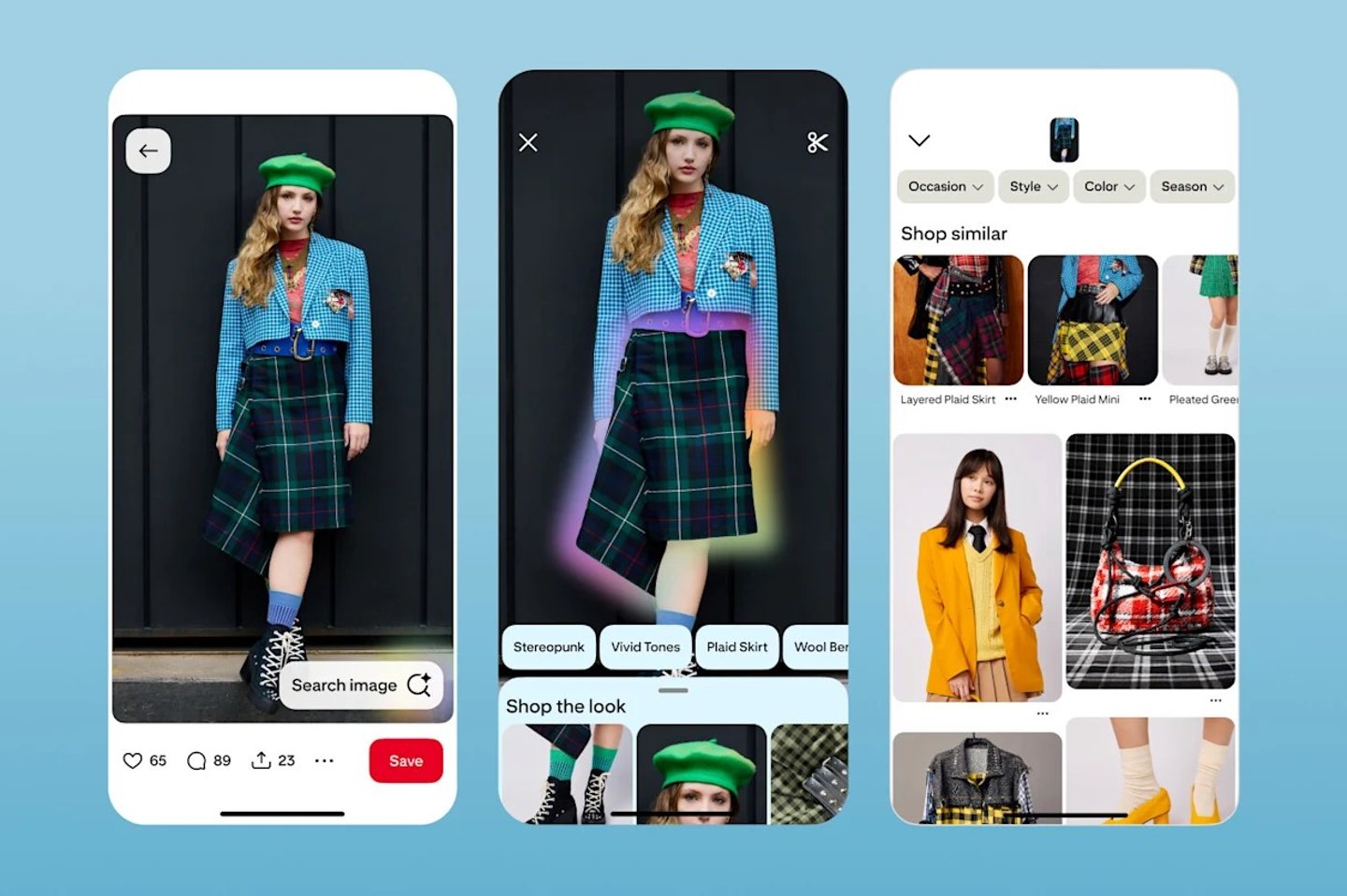
Pinterest’s Bold AI Pivot: Innovation Sparks User Backlash Amid Strategic Shift
Pinterest is intensifying its investment in artificial intelligence (AI), unveiling new AI-powered features designed to transform how users discover and shop on the platform. However, this aggressive AI integration strategy is causing friction with Pinterest’s most dedicated users, who feel the platform’s core experience is being altered in ways that diminish its original appeal.
AI at the Forefront of Pinterest’s Evolution
In late 2025, Pinterest launched the Pinterest Assistant, an AI-driven tool that enhances the platform’s visual search capabilities and shopping experience. The Assistant uses a proprietary “Taste Graph” algorithm that learns from user behavior—such as Pins saved and boards created—to deliver increasingly personalized recommendations. This AI system reportedly offers 30% more relevant shopping advice than previous search models, combining voice, image, and text inputs for a seamless multimodal search experience.
The Assistant allows users to issue voice commands or visual queries, making browsing feel more conversational and intuitive, akin to shopping with a friend. Pinterest CEO Bill Ready described the AI as a way to bridge “the gap between dreaming up an idea and buying what you need to make it real,” aiming to convert inspiration into purchases more efficiently and personally.
Strategic Rationale: From Visual Discovery to Commerce
Pinterest’s AI push aligns with a broader industry trend of integrating AI to facilitate e-commerce and personalized content discovery. The company’s vision is to make its platform not just a place for inspiration but a direct pathway to purchase, enriching the user journey with AI-driven recommendations based on nuanced user preferences.
Pinterest’s algorithm has long been praised for its solution-focused matching system, which connects users with the most relevant content for their queries. The new AI enhancements aim to improve this by understanding deeper context and delivering recommendations that better match user intent—especially appealing to younger demographics like Gen Z, who heavily use Pinterest for fashion and home décor ideas.
User Alienation and Backlash
Despite the promise of AI-enhanced convenience, Pinterest’s pivot towards AI is alienating some of its most loyal users. These users express concern that the platform’s original charm—centered around manual curation, genuine discovery, and a personal touch—is being eroded by automation and algorithmic dominance.
Some long-time users feel that the emphasis on AI-driven recommendations and shopping features shifts Pinterest’s identity from a creative haven to a commercialized marketplace, detracting from the authentic community experience they valued. This tension highlights a classic challenge for platforms embracing AI: balancing innovation with preserving user trust and satisfaction.
Broader Industry Context and Cost Efficiency
Pinterest’s CEO also highlighted the company’s use of open-source AI models to reduce operational costs and accelerate innovation in visual search and recommendation technologies. This approach allows Pinterest to maintain competitiveness in a crowded social commerce landscape without incurring exorbitant expenses tied to proprietary AI development.
By leveraging open-source tools, Pinterest can rapidly roll out new features like the Assistant while continuously refining the Taste Graph to enhance personalization and user engagement.
Implications for Pinterest and Social Commerce
- For users: The AI Assistant promises a more personalized, frictionless shopping experience, particularly benefiting those looking for style or design inspiration with a direct path to purchase.
- For creators and marketers: AI-driven content discovery and enhanced analytics mean better targeting and higher conversion potential, as Pinterest’s platform evolves to support business growth more effectively.
- For Pinterest: The company faces the delicate task of innovating aggressively with AI while managing community sentiment to avoid alienation and attrition among its core user base.
Visuals Related to This Topic
- Official screenshots of the Pinterest Assistant interface showing voice and visual search features.
- Images of the Pinterest CEO Bill Ready discussing open-source AI strategies.
- Visuals depicting the Taste Graph concept illustrating how AI personalizes recommendations.
- Infographics demonstrating Pinterest’s AI-enhanced shopping journey from inspiration to purchase.
Pinterest’s deepening commitment to AI represents a transformative moment for the platform, seeking to redefine social discovery and commerce through cutting-edge technology. However, the balance between innovation and user experience remains critical as Pinterest navigates the evolving expectations of its diverse global community.


