
Revolutionizing Construction Safety with AI Assistants
AI assistants are transforming construction safety with real-time monitoring and predictive analytics, reducing accidents and enhancing efficiency.
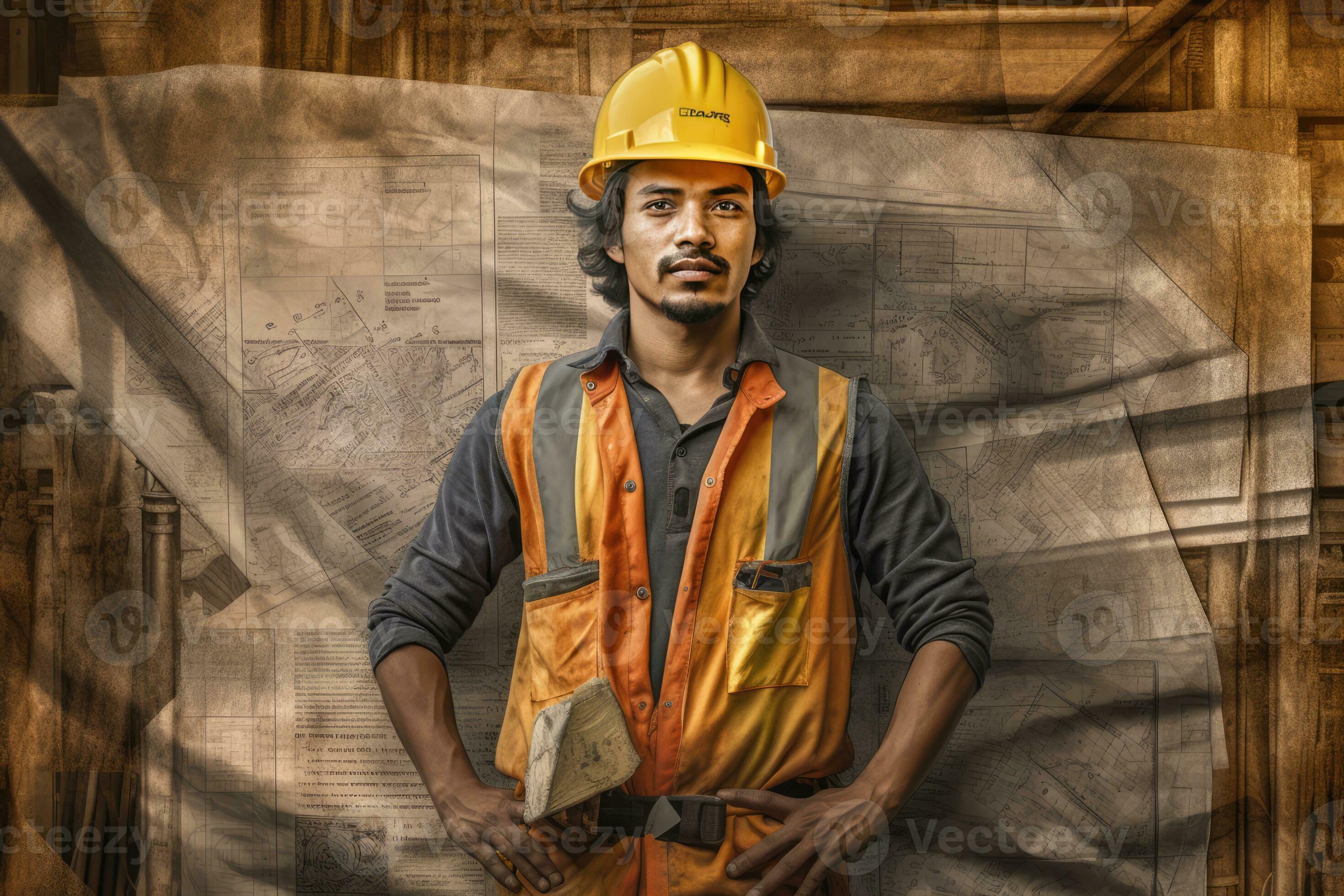
Revolutionizing Construction Safety with AI Assistants
A new artificial intelligence assistant is being developed to enhance safety in construction work zones, targeting one of the most hazardous environments in modern industry. This article explores industry trends, technological advancements, and the critical need for innovation in workplace safety.
The Urgency of Work Zone Safety
Construction and roadwork zones are notoriously dangerous, with workers exposed to heavy machinery, high-speed traffic, and unpredictable environmental conditions. According to the U.S. Bureau of Labor Statistics, hundreds of workers are killed annually in these settings, and thousands more suffer injuries. Traditional safety measures—such as signage, barriers, and manual monitoring—are often insufficient to prevent accidents caused by human error, distraction, or sudden changes in the work environment.
How AI is Transforming Work Zone Safety
Artificial intelligence is increasingly seen as a game-changer for construction safety. AI-powered assistants are being designed to:
- Monitor Real-Time Conditions: Using cameras, sensors, and IoT devices, AI systems can continuously scan work zones for hazards such as approaching vehicles, stray equipment, or unsafe worker behavior.
- Predict and Prevent Accidents: Machine learning algorithms analyze historical and live data to predict potential incidents before they occur, alerting supervisors and workers to take preventive action.
- Automate Safety Protocols: AI can enforce safety rules automatically, such as triggering alarms when a worker enters a restricted area or when machinery operates outside safe parameters.
- Enhance Communication: Voice-activated assistants and wearable devices can provide instant safety notifications and guidance, reducing reliance on manual checks and paper-based systems.
These capabilities are not merely theoretical. Similar AI-driven safety systems are already in use in manufacturing, mining, and logistics, demonstrating significant reductions in workplace injuries and fatalities.
Technology Behind the AI Safety Assistant
Leading solutions in this space typically integrate several advanced technologies:
- Computer Vision: Cameras with object detection algorithms identify people, vehicles, and equipment, distinguishing between safe and hazardous situations.
- Edge Computing: Processing data locally on-site reduces latency, enabling real-time responses without relying on distant servers.
- Natural Language Processing (NLP): Voice interfaces allow workers to interact with the system hands-free, crucial in environments where manual tasks dominate.
- Predictive Analytics: By learning from past incidents, the system can forecast risks and recommend mitigations, continuously improving over time.
Industry Impact and Adoption
The introduction of AI safety assistants is poised to have a profound impact on the construction industry:
- Reduced Injuries and Fatalities: Early adopters report measurable decreases in incident rates, as AI systems catch risks that human supervisors might miss.
- Increased Efficiency: Automated monitoring frees up safety personnel to focus on complex tasks, while real-time data helps optimize workflow and resource allocation.
- Regulatory Compliance: AI systems can document safety practices automatically, simplifying compliance with increasingly stringent workplace safety regulations.
- Cost Savings: While the initial investment in AI technology can be significant, the reduction in accidents, downtime, and insurance costs often yields a strong return on investment.
Major construction firms and infrastructure agencies are beginning to pilot these technologies, with some governments mandating the use of smart safety systems in publicly funded projects.
Challenges and Considerations
Despite their promise, AI safety assistants face several challenges:
- Data Privacy: Continuous monitoring raises concerns about worker privacy, requiring clear policies and transparent data practices.
- Integration Complexity: Retrofitting existing work zones with AI systems can be technically challenging and costly.
- Human Factors: Workers may resist or distrust AI oversight, emphasizing the need for training and change management.
- False Alarms: Overly sensitive systems could lead to alert fatigue, reducing their effectiveness.
Context and Broader Implications
The development of AI assistants for work zone safety reflects a broader trend toward intelligent automation in hazardous environments. From disaster recovery robots to underwater drones, machines are increasingly taking on roles too dangerous for humans. In construction, AI is not replacing human workers but augmenting their capabilities, creating safer, more efficient, and more resilient workplaces.
The push for smarter safety systems also aligns with global efforts to achieve Vision Zero—the goal of eliminating all workplace fatalities and serious injuries. As AI technology matures, it is likely to become a standard feature of modern construction sites, much like hard hats and safety vests are today.
Visualizing the Future
While direct images of the specific AI assistant could not be located, the following types of visuals are representative of this technology in action:
- On-Site Monitoring: Cameras and sensors mounted throughout the work zone, feeding data to a central AI hub.
- Worker Wearables: Smart helmets or vests equipped with sensors and voice interfaces, providing real-time safety alerts.
- Dashboard Screenshots: Centralized displays showing hazard maps, incident reports, and safety compliance metrics.
For authoritative images, readers are encouraged to consult official press releases from leading construction tech companies or academic institutions pioneering these solutions.
Conclusion
The emergence of AI assistants designed to enhance work zone safety marks a significant leap forward for the construction industry. By leveraging real-time monitoring, predictive analytics, and automated alerts, these systems have the potential to dramatically reduce accidents and save lives. While challenges remain—particularly around privacy, integration, and user acceptance—the benefits are clear. As adoption grows, AI-powered safety tools are set to become as essential to construction sites as the tools they help safeguard, ushering in a new era of workplace safety powered by artificial intelligence.


