
The Accuracy Problem: Why AI Nutrition Apps Still Struggle with Food Tracking
Despite rapid advances in computer vision and machine learning, AI-powered nutrition apps continue to face significant challenges in accurately tracking food intake and calculating calories. Technical limitations, user behavior, and data inconsistencies remain major obstacles to reliable dietary monitoring.
The Accuracy Problem: Why AI Nutrition Apps Still Struggle with Food Tracking
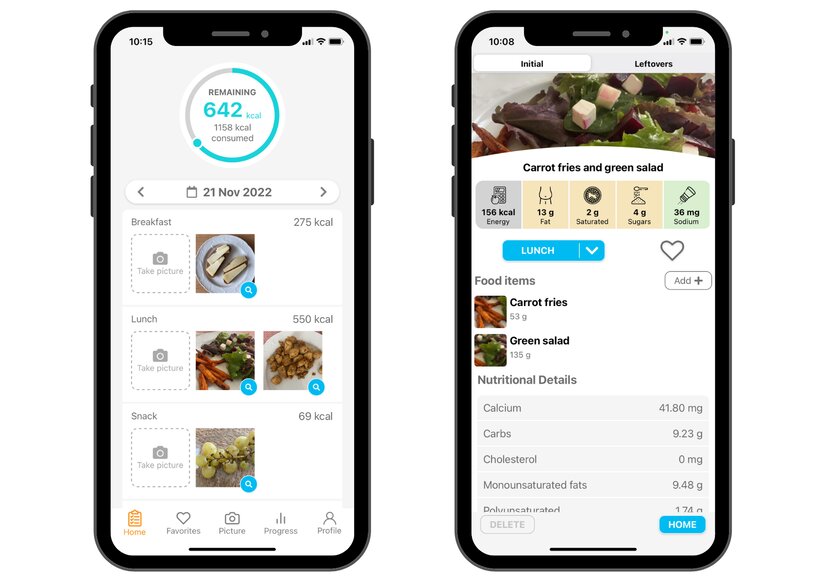
Despite rapid advances in computer vision and machine learning, AI-powered nutrition apps continue to face significant challenges in accurately tracking food intake and calculating calories. While these applications promise effortless dietary monitoring through photo recognition, the reality reveals persistent technical and practical limitations that undermine their reliability.
The Core Technical Challenges
AI nutrition apps rely on computer vision systems trained to identify foods, estimate portion sizes, and calculate nutritional content from photographs. However, this approach encounters several fundamental obstacles:
Image Recognition Limitations
- Complex food compositions confuse algorithms, particularly with mixed dishes, sauces, and prepared meals
- Lighting conditions, angles, and food presentation significantly impact recognition accuracy
- Processed foods with unclear ingredients present particular difficulties for visual identification
- Similar-looking foods (e.g., different types of rice or grains) are frequently misclassified
Portion Size Estimation The most critical variable in calorie calculation—portion size—remains notoriously difficult to determine from images alone. Without consistent reference objects or standardized measurement protocols, apps often produce wildly inaccurate estimates. A meal photographed from different angles can yield calorie calculations varying by 20-40%.
User Behavior and Data Quality Issues
The human element introduces additional complications. Inconsistent photo quality, incomplete meal documentation, and user error compound algorithmic limitations:
- Users frequently photograph only partial meals or forget to log items consumed throughout the day
- Inconsistent lighting and angles between photos reduce model reliability
- Cooked versus raw food weights create confusion in nutritional databases
- Preparation methods (fried, baked, steamed) significantly alter calorie content but are invisible to visual recognition
Database and Nutritional Data Gaps
Most AI nutrition apps rely on crowdsourced or proprietary food databases that contain inherent inaccuracies:
- Nutritional values vary significantly between brands and regional variants
- Restaurant and homemade foods lack standardized nutritional profiles
- Database entries are often outdated or incomplete
- International foods and regional cuisines remain underrepresented in training data
The Cumulative Error Problem
Individual inaccuracies compound over time. A 10-15% error per meal translates to 100-150+ calorie discrepancies daily—enough to significantly impact dietary goals and health outcomes. For users relying on precise calorie deficits for weight management, this margin of error can render the app's recommendations ineffective or counterproductive.
Current Limitations in Real-World Deployment
Field studies reveal that even state-of-the-art AI nutrition apps achieve only 60-75% accuracy in calorie estimation compared to laboratory analysis. Performance degrades further with:
- Unfamiliar or regional cuisines outside the training dataset
- Heavily processed or packaged foods with unclear composition
- Meals consumed in low-light environments (restaurants, social settings)
- Foods with variable preparation methods
The Path Forward
Developers are exploring hybrid approaches combining computer vision with user input, barcode scanning, and manual corrections. However, these solutions require increased user engagement—potentially defeating the purpose of "effortless" tracking.
Some platforms now incorporate machine learning feedback loops where user corrections improve model accuracy over time. Others emphasize relative tracking (comparing intake patterns) rather than absolute calorie precision, acknowledging the fundamental limitations of visual estimation.
Key Takeaway
While AI nutrition apps represent genuine technological progress, they remain tools requiring skepticism and verification rather than authoritative dietary monitors. Users seeking precision should supplement visual tracking with manual logging, nutritional labels, and professional guidance. The technology continues improving, but the gap between marketing promises and practical accuracy remains substantial.
Key Sources: SnapCalorie, CaloriCam, and LogMeal represent current industry approaches to AI-powered nutrition tracking, each addressing different aspects of the accuracy challenge through varied technical implementations.


