
US Faces Challenge of Sustainable Data Center Siting
US faces challenge of siting data centers sustainably amid AI growth, balancing environmental impact with technological advancement.
Balancing AI Growth and Environmental Sustainability
As the artificial intelligence (AI) industry surges forward, the United States faces a critical challenge: where to build the next generation of data centers that power AI innovation without exacerbating environmental damage. Data centers, the backbone of AI infrastructure, consume vast amounts of electricity and water, raising concerns about their carbon footprint and local ecological impact. Recent research and expert analyses underscore the need for strategic siting of new facilities to balance technological growth with environmental sustainability.
The Rising Demand for Data Centers and Their Environmental Toll
Data centers house thousands of servers that process and store data, enabling AI applications from machine learning to natural language processing. These facilities require enormous energy to run computationally intensive tasks and substantial water resources for cooling the hardware. According to the International Energy Agency, global electricity consumption by data centers is expected to more than double by 2030, with the US accounting for the largest share of this increase.
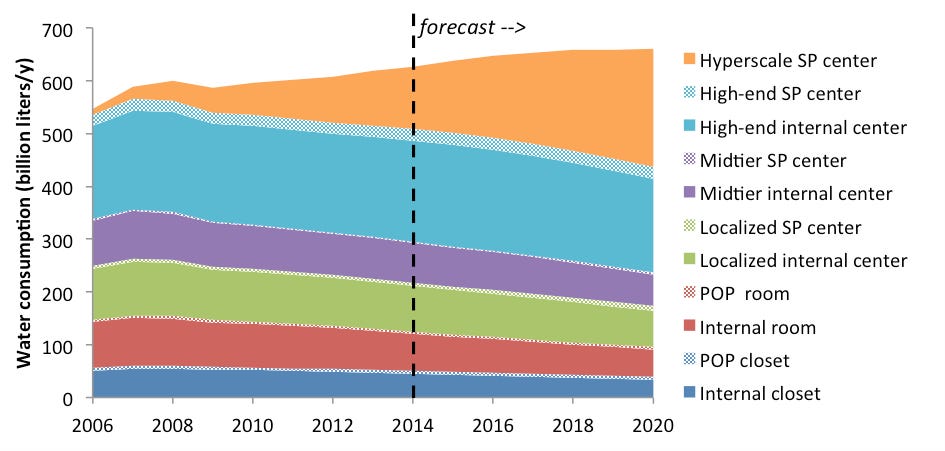
A study by the Houston Advanced Research Center and University of Houston highlights the water consumption problem specifically: Texas data centers alone are projected to use 49 billion gallons of water in 2025, potentially soaring to 399 billion gallons by 2030. This level of water use is comparable to lowering Lake Mead, the largest reservoir in the US, by over 16 feet annually. Water is primarily used for evaporative cooling, a cost-effective method to prevent servers from overheating. However, this puts a strain on local water supplies, especially in drought-prone regions.
Moreover, data centers contribute to local air pollution. Northern Virginia, a major data center hub, experiences significant emissions from on-site diesel generators used for emergency power and demand response. These generators emit nitrogen oxides and particulate matter, which worsen respiratory and cardiovascular health issues in surrounding communities.
Where Should New Data Centers Be Built?
Given these challenges, experts argue that the US must carefully select locations for new data centers to minimize environmental impact. A report published in Nature and analyses by WIRED recommend prioritizing regions that offer:
- Abundant and sustainable energy sources: Areas with access to renewable energy like hydroelectric, wind, or solar power can reduce carbon emissions associated with electricity consumption.
- Sufficient water availability: Siting data centers in regions with ample water supplies or using advanced cooling technologies that reduce water dependence can alleviate water stress.
- Cooler climates: Cooler ambient temperatures reduce the need for intensive cooling, improving energy efficiency.
- Robust grid infrastructure: Reliable and modern electric grids enable data centers to operate efficiently and integrate renewable energy.
States in the Pacific Northwest and parts of the Northeast, known for cooler climates and renewable energy capacity, are often cited as ideal locations. Conversely, regions like Texas and Northern Virginia, despite being current data center hubs, face rising environmental and community health concerns due to water scarcity and pollution.
Industry Responses and Innovation
Tech giants powering AI development are investing in innovative solutions to minimize environmental harms. Some companies are exploring next-generation nuclear energy to provide low-carbon power to data centers. Others are improving server and cooling technology to enhance energy and water efficiency. However, despite pledges for carbon neutrality, many firms have quietly scaled back emission reduction targets due to the rapidly growing energy demands of AI workloads.
A key shift is focusing on “net-zero pathways,” where data centers aim to balance carbon emissions with offsets or renewable energy procurement. Research published in Nature Sustainability discusses such pathways, emphasizing that achieving net zero requires a combination of technology innovation, policy support, and strategic infrastructure planning.
Public Concern and Policy Implications
Public awareness of AI’s environmental footprint is rising. A recent poll by the Associated Press-NORC Center and the University of Chicago found that Americans are more worried about AI’s environmental impact than other climate-related issues. This growing concern pressures policymakers to enforce stricter regulations on data center siting, energy sourcing, and environmental safeguards.
Local governments are also grappling with the challenge of balancing economic benefits of data centers with environmental justice. In some communities, emissions from diesel generators and massive water withdrawals have led to calls for tighter controls and alternative solutions.
Looking Ahead: The Big Picture
While individual data centers have localized impacts, experts caution against focusing solely on the “AI footprint” and instead advocate for a holistic view of AI’s environmental role. AI can also be a tool for climate solutions—optimizing energy use, enhancing renewable integration, and driving sustainable innovation. The key lies in smart infrastructure planning that aligns AI growth with net-zero goals.
In conclusion, the US must prioritize environmentally sustainable locations for new data centers, leveraging renewable energy, advanced cooling technologies, and responsible water management. With AI set to transform society, thoughtful siting of its powerhouses is essential to avoid deepening environmental crises while fostering technological progress.


