

US Relaxes Nvidia Chip Exports to China While Beijing Tightens Its Belt
The Trump administration has approved Nvidia H200 chip exports to China, but Beijing is simultaneously restricting purchases—a paradoxical move that reveals deeper tensions in the AI chip supply chain.
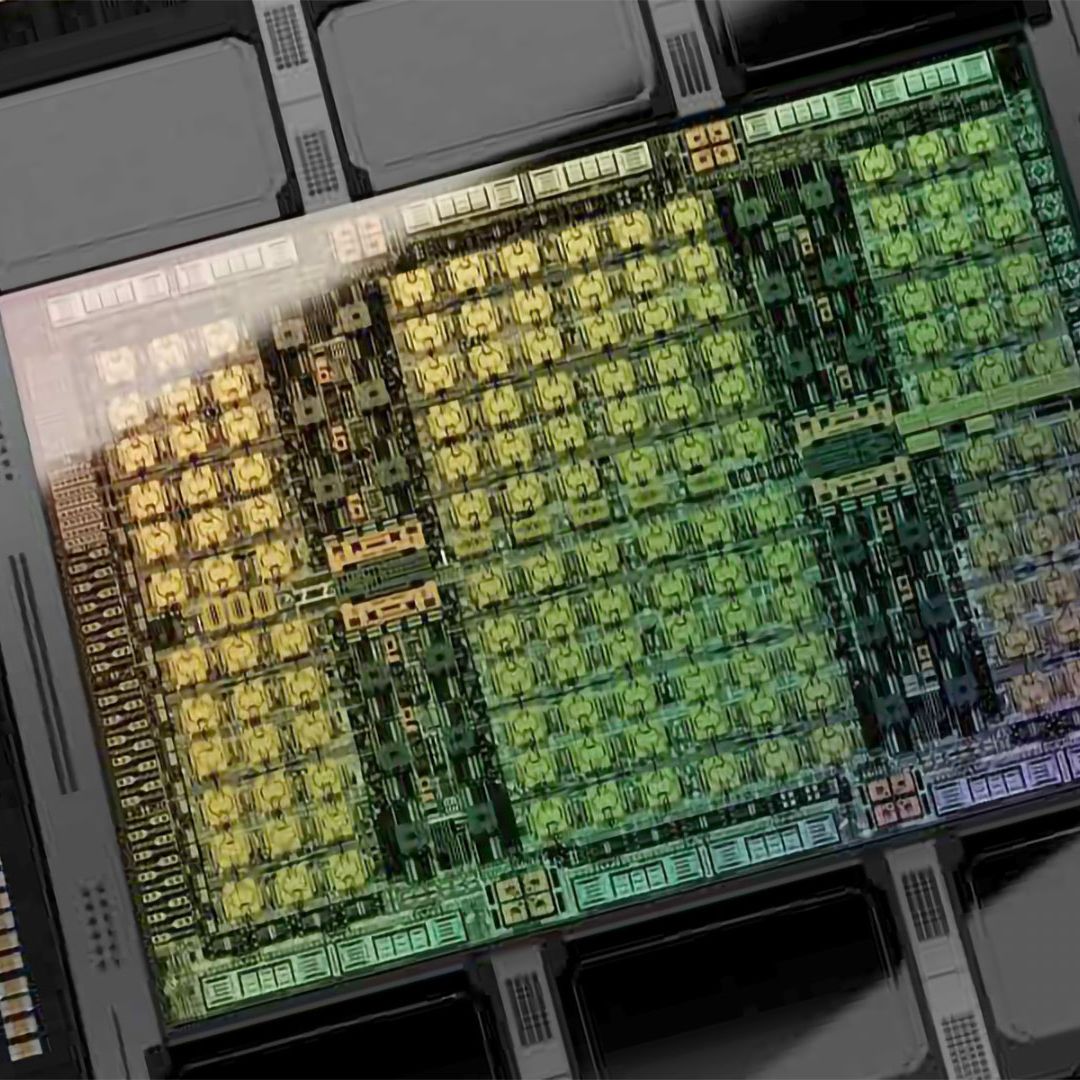
The Paradox: Washington Opens Doors While Beijing Closes Them
In a move that defies conventional geopolitical logic, the United States has loosened export restrictions on Nvidia's advanced AI chips to China just as Beijing implements its own purchasing limitations. According to Fox Business, the Trump administration has greenlit exports of Nvidia's H200 chips to China, marking a significant shift from the Biden-era restrictions that sought to starve China's AI development. Yet simultaneously, China is curbing its own acquisitions of these same components—a counterintuitive strategy that signals deeper anxieties about technological dependency and economic leverage.
This apparent contradiction reveals the complex calculus underlying the US-China tech competition. Rather than a simple relaxation of Cold War-style trade barriers, the policy shift reflects Washington's evolving priorities and Beijing's strategic recalibration.
What Changed in US Export Policy
The Register reports that the US has modified its GPU export rules, specifically permitting the H200 tensor processing unit to reach Chinese buyers. The H200, Nvidia's flagship data center GPU designed for AI model training, had been subject to stringent export controls under the previous administration's approach to technological containment.
Key aspects of the policy shift:
- H200 approval: Direct exports of Nvidia's most advanced training chips are now permitted
- Scope limitations: The relaxation applies specifically to certain chip models, not a blanket removal of all restrictions
- Strategic rationale: The Trump administration appears to prioritize market access over technological gatekeeping
The South China Morning Post confirms that the US government has approved H200 exports to China, underscoring the official nature of this policy reversal.
China's Counterintuitive Restraint
While Washington has opened the export floodgates, Beijing is paradoxically limiting its purchases. This self-imposed constraint appears driven by several factors:
- Domestic chip development: China is accelerating its own semiconductor manufacturing to reduce reliance on US technology
- Currency preservation: Restricting high-value imports conserves foreign exchange reserves
- Geopolitical hedging: Limiting dependency on US chips reduces vulnerability to future export controls
- Regulatory oversight: Chinese authorities are tightening approval processes for foreign semiconductor acquisitions
The move suggests that Beijing views technological self-sufficiency as more strategically valuable than maximizing access to cutting-edge foreign chips—even when that access becomes available.
The Broader Context: Cloud Access Loopholes
The policy landscape remains fragmented. The US House has passed legislation to close offshore rental loopholes that allowed Chinese companies to access export-controlled AI chips through cloud services, indicating that even as direct exports are permitted, Washington remains concerned about indirect access routes.
This bifurcated approach—permitting direct sales while restricting cloud-based workarounds—suggests the Trump administration is attempting to balance commercial interests with national security concerns.
What This Means for the AI Chip Market
The policy reversal creates an unusual market dynamic. Nvidia gains access to Chinese customers through direct exports, but Chinese demand may remain muted due to Beijing's self-imposed restrictions. This could benefit other chip manufacturers or accelerate China's domestic semiconductor programs.
The paradox ultimately reflects a strategic recalibration on both sides: Washington is willing to trade short-term commercial gains for long-term technological competition, while Beijing is choosing strategic independence over immediate access to the world's most advanced chips.


