

xAI Tightens Grok's Image Editing Tools After Deepfake Backlash
xAI has restricted image editing capabilities in Grok following widespread criticism over deepfake creation and non-consensual intimate imagery. The move reflects growing regulatory pressure on AI platforms to prevent misuse.
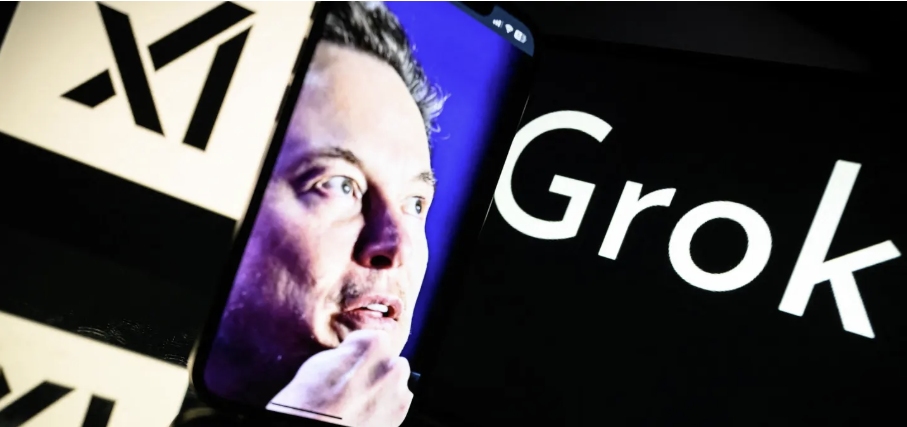
The Deepfake Reckoning Hits Grok
The artificial intelligence industry's deepfake problem has finally caught up with xAI. Following widespread backlash over non-consensual intimate imagery, the company has significantly restricted image editing capabilities within its Grok platform—a tacit admission that the technology's potential for harm outweighed its utility. This move underscores a critical tension in generative AI development: the gap between what's technically possible and what's ethically defensible.
The restrictions come as regulators globally intensify scrutiny of AI-generated intimate imagery. According to reports from Le Monde, xAI specifically blocked Grok's ability to generate sexualized images of real people, a capability that had drawn particular criticism from victims' advocates and policymakers alike.
What Changed in Grok's Capabilities
xAI's restrictions target the most controversial use cases:
- Removal of undressing/sexualization features that could generate non-consensual intimate imagery
- Limitations on facial manipulation of real individuals without consent
- Tighter guardrails on image-to-image editing workflows that previously allowed unrestricted modifications
The company's approach mirrors defensive moves by competitors facing similar pressure. However, the timing suggests xAI was slower to act than some rivals, allowing the controversy to escalate before implementing safeguards.
Regulatory Pressure Mounting Globally
xAI's restrictions align with broader regulatory responses to the deepfake crisis. Lawmakers across multiple jurisdictions have begun investigating AI platforms' role in generating non-consensual intimate imagery. The UK regulator's probe into X's handling of such content signals that regulators view this not as a minor technical issue but as a potential harm to fundamental rights.
Mexico and other markets have also begun scrutinizing AI image generation tools, with some jurisdictions considering mandatory restrictions or outright bans on certain capabilities.
The Business Trade-Off
Restricting image editing features carries real costs for xAI. Generative image tools are key differentiators in the competitive AI market, and limitations may reduce Grok's appeal to legitimate users. The company faces a difficult calculus: maintain unrestricted capabilities and face regulatory action, or implement guardrails and cede market advantage.
This dilemma reflects a broader industry challenge. As generative AI tools become more capable, the potential for misuse grows proportionally. Unlike traditional software, where harmful use cases can often be patched after deployment, AI systems require proactive design choices that sometimes limit functionality.
What's Next
xAI's move likely signals the beginning of an industry-wide reckoning. Other platforms offering image generation and editing tools will face similar pressure to implement restrictions. The question is whether these measures will be sufficient to satisfy regulators or whether more aggressive interventions—including potential legislation—will follow.
The deepfake controversy has exposed a fundamental gap in AI governance: companies have moved faster than regulators can respond. xAI's restrictions suggest the industry is beginning to self-regulate, but skeptics question whether voluntary measures will prove adequate to prevent harm at scale.


