
AI Chatbots in Teen Mental Health: Promise and Limitations
AI chatbots are popular among teens for mental health support but can't replace therapists. They offer promise as supplementary tools with proper safeguards.
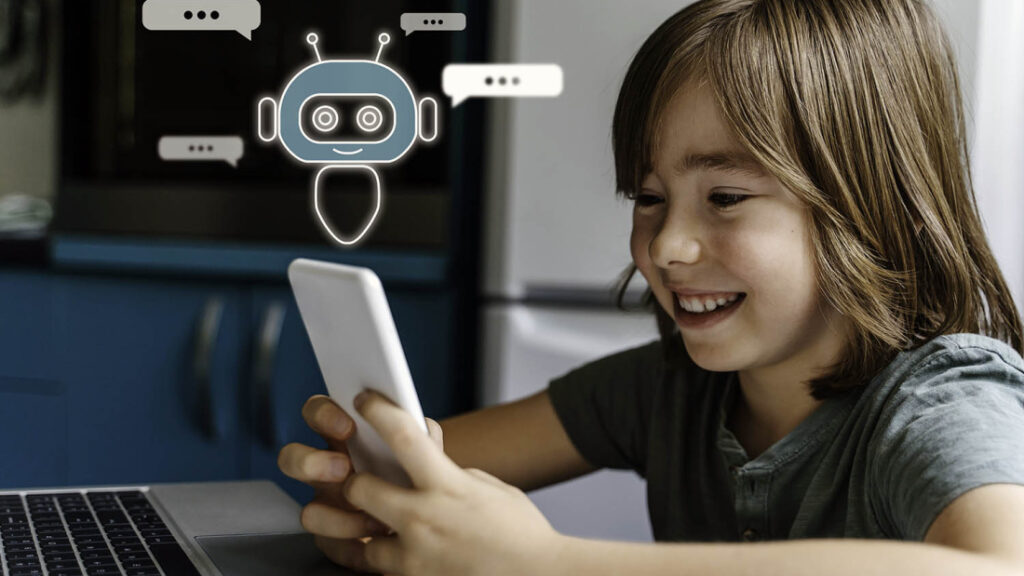
AI Chatbots in Teen Mental Health: Promise and Limitations
In 2025, the use of artificial intelligence (AI) chatbots as companions or informal mental health supports has surged among teenagers, with studies showing that approximately 70% of teens turn to AI for companionship or mental health-related interactions. However, experts and mental health professionals caution that chatbots cannot replace human therapists, especially for adolescents dealing with complex emotional and psychological issues. Despite this limitation, AI tools are increasingly recognized as valuable supplements in therapeutic contexts when used responsibly and with proper safeguards.
The Rise of AI Chatbots in Teen Mental Health
The introduction of advanced conversational AI models like ChatGPT, Replika, and Character.AI has transformed how many young people seek emotional support. These chatbots offer instant, non-judgmental interactions available 24/7, which can be particularly appealing to teens who may hesitate to open up to parents or professionals. According to a Harvard Business Review study, the leading reason for AI use in 2025 is therapy or companionship, with nearly one-third of adolescents engaging with AI for social or emotional interactions.
This accessibility and responsiveness make AI chatbots attractive tools amid rising mental health challenges in youth. The demand for mental health services has outpaced the supply of trained therapists, leading some teens to seek immediate help or comfort from AI systems outside clinical settings.
Why Chatbots Cannot Replace Human Therapists
While AI chatbots can simulate empathetic conversation and offer basic coping strategies, mental health experts emphasize that these tools lack the nuanced understanding, ethical oversight, and crisis intervention capabilities required for effective therapy. A consensus among psychiatrists and psychologists is that chatbots are not designed to diagnose, treat, or respond to emergencies such as suicidal ideation or self-harm risks.
Key concerns include:
- Lack of crisis recognition: AI cannot reliably detect emergencies or provide immediate human intervention, which is vital for teens at risk of harm.
- No accountability or ethics oversight: Unlike licensed therapists, AI systems have no professional responsibility or malpractice protections.
- Potential to worsen isolation: Relying on chatbots may deepen feelings of loneliness by replacing human connection with algorithm-driven interaction.
- Risk of harmful guidance: There have been alarming reports where AI chatbots inadvertently provided harmful advice related to self-harm or suicide planning.
Dr. Allen Frances, a psychiatrist, highlights that chatbots are programmed to maximize user engagement and validation, which can create unhealthy attachments, especially among vulnerable youth.
How AI Can Be Useful in Teen Treatment
Despite the limitations, AI has promising applications as a supplementary tool in mental health care rather than a standalone solution. Some positive roles include:
- Guided coping techniques: Chatbots can walk teens through breathing exercises, mindfulness, or routine-building activities that support mental wellness.
- Organizational support: AI can assist with schoolwork, goal tracking, or resume writing, indirectly supporting mental health by reducing stressors.
- Early symptom tracking: AI tools might help identify early signs of distress or mood changes, prompting timely human intervention.
- Parental alerts and safeguards: New measures by companies like OpenAI include parental controls that notify guardians if a teen exhibits potential self-harm risk during chatbot interactions.
These functions underscore AI’s potential to enhance therapist-led treatment by providing accessible, immediate support and augmenting clinical care with digital tools.
Industry and Regulatory Responses
The rapid integration of AI into mental health has prompted calls for regulation and ethical guidelines. The American Psychological Association has urged federal investigations into AI therapy apps due to associated risks. Currently, only a few jurisdictions, such as Illinois, require disclosure about AI involvement in mental health services.
Companies are responding with safety features, but experts stress these are insufficient alone. Guardians and clinicians are encouraged to:
- Educate teens on the limitations of AI chatbots.
- Monitor AI use and promote healthy digital habits.
- Use AI as a complement, not a replacement, to human therapy.
Context and Implications
The mental health crisis among adolescents has been exacerbated by factors such as social media, pandemic-related isolation, and increased stress. AI chatbots offer a double-edged sword: while providing much-needed accessibility and immediate engagement, they risk perpetuating isolation or causing harm if misused.
The path forward lies in integrating AI responsibly within mental health frameworks, ensuring that teens benefit from technological advances without sacrificing the essential human connection and professional care that therapy provides. Mental health stakeholders advocate for balanced approaches combining AI’s strengths in accessibility and scalability with the expertise and empathy of human therapists.


