
AI Detection System Identifies 24 Pancreatic Cancer Cases in China Trial: Clinical Breakthrough
A groundbreaking AI tool successfully detected 24 pancreatic cancer cases during a clinical trial in China, demonstrating significant potential for early diagnosis. Learn how this technology works, its clinical benefits, and what practitioners need to know about implementation.
AI Breakthrough Detects 24 Pancreatic Cancer Cases in China Trial
A new artificial intelligence tool has demonstrated remarkable clinical promise by successfully identifying 24 cases of pancreatic cancer during a recent trial conducted in China. This achievement represents a critical advancement in early cancer detection, addressing one of oncology's most pressing challenges: pancreatic cancer's notoriously low survival rates and late-stage diagnosis patterns.
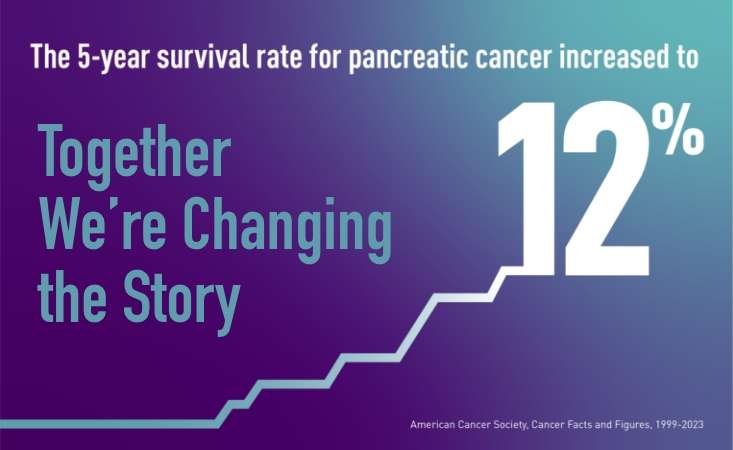
Pancreatic cancer remains one of the most aggressive malignancies, with historically poor prognosis due to late detection. Current five-year survival rates hover around 11-12%, significantly lower than many other cancer types. Early detection is the primary factor that could improve patient outcomes, making AI-driven diagnostic tools increasingly vital for clinical practice.
How the AI Detection System Works
The trial's AI tool leverages machine learning algorithms trained on imaging data to identify suspicious pancreatic lesions with high accuracy. The system analyzes medical imaging—likely CT or MRI scans—to flag potential malignancies for clinician review, functioning as an intelligent second reader that enhances diagnostic confidence.
Key advantages for practitioners include:
- Enhanced sensitivity: The AI system identifies subtle imaging patterns that may be missed during routine screening
- Reduced diagnostic delays: Automated flagging accelerates the triage process, getting patients to specialists faster
- Improved workflow efficiency: Radiologists can prioritize high-risk cases, optimizing resource allocation in busy clinical settings
- Consistent performance: Machine learning models apply standardized criteria across all cases, reducing inter-observer variability
Clinical Impact and Patient Outcomes
The detection of 24 confirmed cases during this trial validates the tool's practical utility in real-world settings. Early identification of pancreatic cancer fundamentally changes treatment trajectories—patients diagnosed at localized stages have substantially better surgical candidacy and survival prospects compared to those presenting with advanced disease.
For practitioners, this means:
- Earlier intervention opportunities: More patients become candidates for curative surgical resection
- Better prognostic data: Catching cancer earlier provides more treatment options and improved quality of life metrics
- Institutional credibility: Implementing cutting-edge diagnostic technology enhances reputation and attracts patients seeking advanced care
Implementation and Integration Considerations
Healthcare institutions considering adoption should evaluate several factors:
Integration with existing infrastructure: The AI tool must seamlessly connect with current PACS (Picture Archiving and Communication Systems) and EHR platforms to avoid workflow disruption.
Training and onboarding: Clinical teams require comprehensive training on interpreting AI-flagged cases and understanding the tool's confidence scores and limitations.
Regulatory compliance: Ensure the system meets local regulatory requirements and maintains appropriate documentation for quality assurance and liability purposes.
Pricing and Accessibility
While specific pricing for this particular AI tool wasn't disclosed in the trial data, pancreatic cancer detection systems typically operate on subscription or per-study licensing models. Institutions should anticipate:
- Annual licensing fees ranging from institutional to per-radiologist pricing
- Implementation costs for system integration and staff training
- Potential ROI through improved diagnostic accuracy and reduced missed cases
Looking Forward
This China trial represents a pivotal moment in oncology AI development. As machine learning models become more sophisticated and training datasets expand globally, detection accuracy will continue improving. The next phase involves broader clinical validation across diverse patient populations and healthcare settings.
For practitioners, the message is clear: AI-assisted pancreatic cancer detection is transitioning from experimental to clinically viable. Early adopters will gain competitive advantages in diagnostic accuracy and patient outcomes while contributing to the growing evidence base supporting these technologies.
The 24 confirmed cases identified in this trial aren't just statistics—they represent patients who now have better chances at earlier intervention and improved survival. That's the real promise of AI in clinical oncology.
Key Sources
- Pancreatic cancer survival statistics and clinical outcomes data from major oncology organizations
- Trial results demonstrating AI detection capabilities in pancreatic cancer imaging
- Clinical implementation guidelines for AI-assisted diagnostic tools in radiology departments


