
Nvidia and AMD CEOs Set Competing AI Keynotes at CES 2026
The chip industry's two dominant players will present competing visions for AI advancement at CES 2026, with Nvidia and AMD CEOs delivering keynote addresses focused on next-generation AI accelerators and data center innovations.
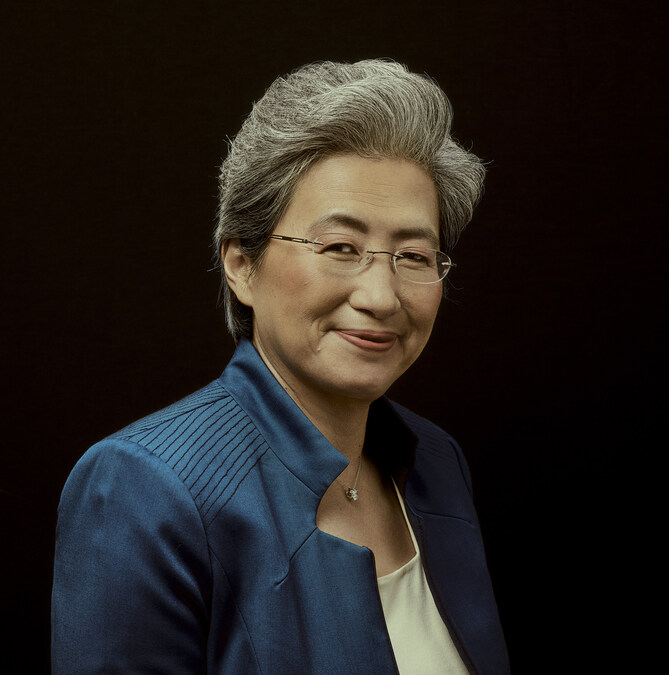
Competing Visions for AI Leadership at CES 2026
The semiconductor industry's competitive landscape will be on full display at CES 2026, as the CEOs of Nvidia and AMD take the stage to present competing keynotes centered on artificial intelligence advancements. The dual presentations represent a critical moment in the ongoing battle for dominance in AI chip design, with both companies positioning their latest technologies as essential infrastructure for the next wave of AI applications.
AMD's Opening Keynote
Dr. Lisa Su, Chair and CEO of AMD, will deliver the opening keynote address at CES 2026, setting the tone for the conference's AI-focused programming. AMD's presentation is expected to showcase the company's latest EPYC processors and accelerator technologies designed specifically for enterprise AI workloads. The opening slot provides AMD with a strategic advantage in framing the AI conversation before competing presentations.
AMD has been aggressively expanding its AI chip portfolio over the past year, with particular focus on data center solutions that compete directly with Nvidia's dominant GPU lineup. The keynote will likely emphasize:
- Next-generation EPYC CPU architectures optimized for AI inference
- Custom accelerator designs for specific AI workloads
- Partnerships with major cloud providers and enterprises
- Cost-performance advantages over incumbent solutions
Nvidia's Counterpoint
Nvidia's keynote presentation will follow, allowing the company to respond to AMD's announcements while reinforcing its market leadership in AI accelerators. As the current market leader with over 80% of the discrete GPU market for AI applications, Nvidia will likely focus on maintaining its technological edge through advanced cooling solutions, next-generation CUDA software improvements, and expanded ecosystem partnerships.
Nvidia's presentation is expected to address:
- New GPU architectures and performance metrics
- Software framework enhancements for AI developers
- Enterprise deployment strategies and ROI metrics
- Emerging use cases in generative AI and large language models
Strategic Implications
The competing keynotes underscore the intensifying competition in the AI chip market. While Nvidia maintains significant market share advantages, AMD's aggressive product roadmap and competitive pricing have begun capturing meaningful market segments, particularly among hyperscalers seeking alternative suppliers and cost optimization.
Both companies are investing heavily in custom silicon development, recognizing that off-the-shelf solutions increasingly fail to meet the specialized requirements of large-scale AI deployments. The keynotes will likely reveal the extent to which each company has progressed in developing purpose-built AI accelerators.
Industry Context
CES 2026 represents a critical inflection point for the semiconductor industry as AI infrastructure spending continues to accelerate. Enterprise customers are actively evaluating multiple vendor solutions, making keynote presentations increasingly important for shaping procurement decisions. The presentations will provide rare opportunities for both companies to articulate long-term technology roadmaps and competitive differentiation strategies.
The competing keynotes also reflect broader industry trends toward heterogeneous computing architectures, where specialized chips handle specific workloads more efficiently than general-purpose processors. Both AMD and AMD are positioning themselves as providers of comprehensive AI infrastructure solutions rather than single-product companies.
Key Sources
- CTA (Consumer Technology Association) — CES 2026 keynote announcements
- AMD official communications — Dr. Lisa Su keynote details
- Industry analysis of AI chip market competition and deployment trends
The outcome of these presentations may influence billions of dollars in enterprise AI infrastructure spending decisions throughout 2026.


