
AI Enhances Democratic Processes Globally, Experts Say
AI is enhancing democracies by improving information flows, enabling civic participation, enhancing data governance, and facilitating representation.
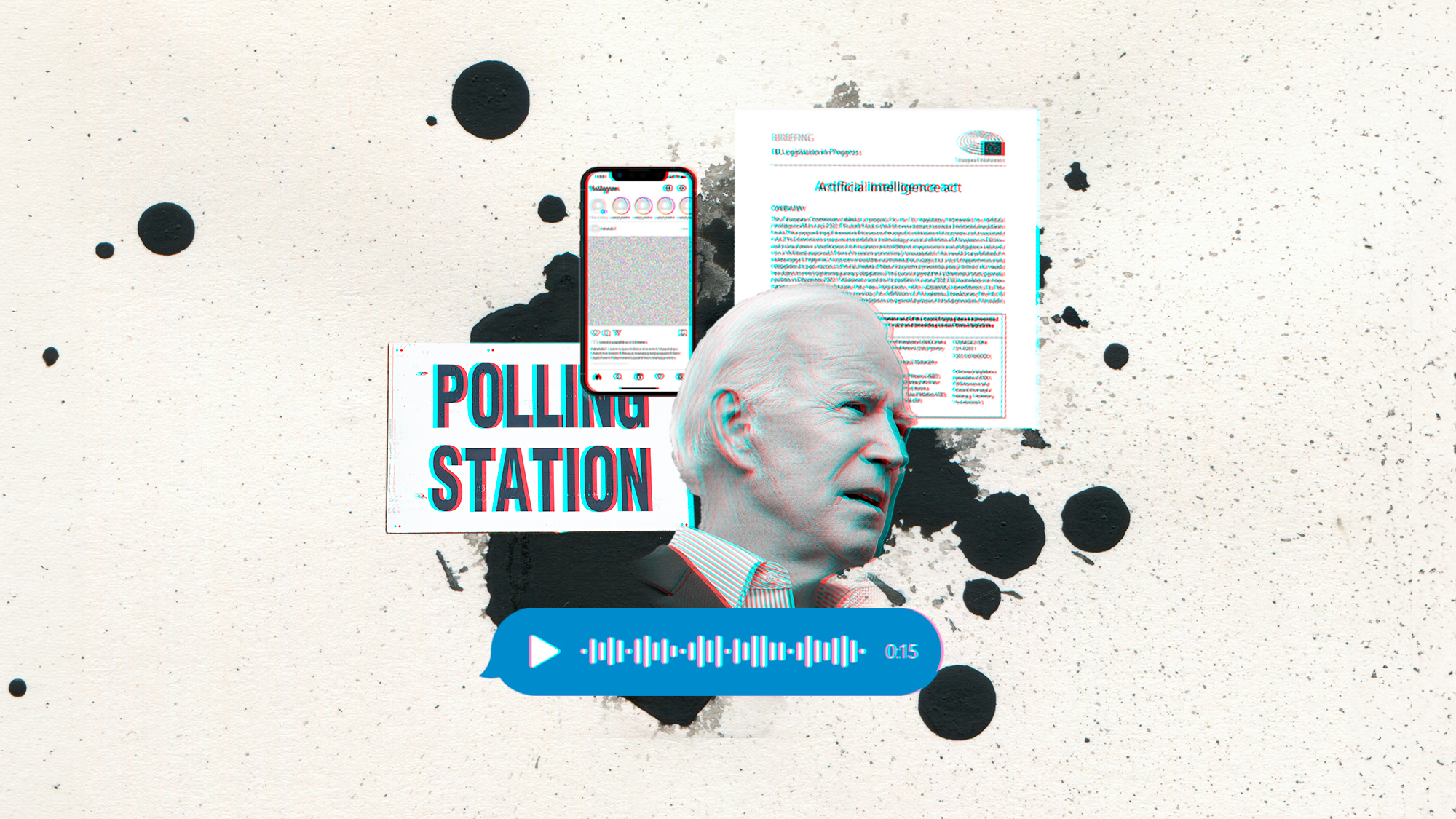
Four Ways AI is Strengthening Democracies Worldwide
Artificial intelligence (AI) is increasingly being leveraged to enhance democratic processes and institutions around the globe. Researchers and policymakers are exploring how AI can foster greater civic engagement, transparency, and accountability, while also addressing challenges posed by misinformation and digital governance. Experts such as Nathan E Sanders and Bruce Schneier have identified four key ways AI is currently used to bolster democracies: improving information flows, enabling large-scale deliberation, enhancing data governance, and facilitating participatory democracy. Recent developments and scholarly insights shed light on how these applications are materializing and their broader implications for democratic renewal.
1. Improving Information Flows and Combating Misinformation
One of democracy’s greatest challenges today is the rapid spread of misinformation and disinformation, which can distort public discourse and undermine trust in democratic institutions. AI technologies are employed to detect, flag, and limit the reach of false information online. Advanced natural language processing and machine learning models analyze vast volumes of social media content and news sources to identify misleading narratives or coordinated campaigns. This not only helps voters access more accurate information but also supports media outlets and fact-checkers in their efforts.
Moreover, AI-powered tools can tailor information delivery to individual citizens’ needs, promoting informed decision-making. However, the design of these systems must prioritize transparency and resist biases to maintain public trust. As highlighted by experts, institutional design—more than technology alone—will determine whether AI-driven information flows strengthen democratic engagement or exacerbate polarization.
2. Enabling Large-Scale Deliberation and Civic Participation
AI facilitates new forms of democratic participation by enabling large-scale deliberation platforms where citizens can engage in policy discussions, provide feedback, and co-create solutions. AI agents can moderate conversations, summarize key points, and help structure debates among thousands of participants, making mass civic engagement more manageable and productive.
For instance, AI systems can support digital town halls, participatory budgeting, and deliberative polling by analyzing citizen inputs and ensuring diverse viewpoints are heard. This approach helps overcome logistical barriers to participation and enhances the quality of democratic deliberation. Scholars advocate for integrating AI tools that empower citizens rather than replace human judgment, fostering a more inclusive democratic process.
3. Enhancing Data Governance and Accountability
Effective data governance is critical in democratic societies as governments and institutions increasingly rely on digital data for decision-making. AI can improve transparency and accountability by tracking the use of public data, ensuring compliance with privacy laws, and auditing algorithms that affect public policies.
AI-driven systems can monitor government actions and public services, detecting anomalies or potential abuses of power. They also enable citizens to hold officials accountable through open data platforms and real-time reporting tools. The “Foundations for the Digital Commons” conference in October 2025 underscored the importance of robust institutional frameworks alongside AI innovations to safeguard democratic norms and public trust.
4. Facilitating Participatory Democracy and Representation
AI opens possibilities for novel democratic models such as “citizen AI avatars” or digital representatives that can operate at speeds and scales beyond human capacity. These AI agents could aggregate citizens’ preferences, advocate on their behalf, and interact with governance systems in real time, potentially transforming representative democracy.
Research from Yale University highlights the emergence of AI-driven tools that simulate citizen participation and explore new forms of representation. While still theoretical, this vision addresses the challenge that humans alone cannot keep pace with rapid digital transformations. The integration of AI into democratic institutions could thus lead to more responsive and adaptive governance structures in the future.
Context and Implications
AI’s role in strengthening democracy is a double-edged sword. While it offers powerful tools to enhance civic engagement, transparency, and governance, it also raises concerns about privacy, bias, and manipulation. The effectiveness of AI in democratic contexts depends heavily on the ethical frameworks, institutional designs, and regulatory measures that guide its deployment.
Recent gatherings of technologists, policymakers, and civic innovators emphasize that trust-building and institutional reform must accompany technological innovation. In Maine’s pragmatic, reform-oriented environment, stakeholders have outlined practical models for combining AI with democratic values, ensuring technology supports rather than undermines democratic life.
Moreover, public attitudes toward AI in governance show variability, with notable differences across gender and political lines. Continuous research and experimentation with AI tools in democratic settings will be essential to navigate these complexities and maximize AI’s democratic potential.


