
AI Revolutionizes Recycling at Penn Waste Facility
Penn Waste introduces AI-powered robots at a major recycling facility, enhancing efficiency and reducing contamination in waste sorting.
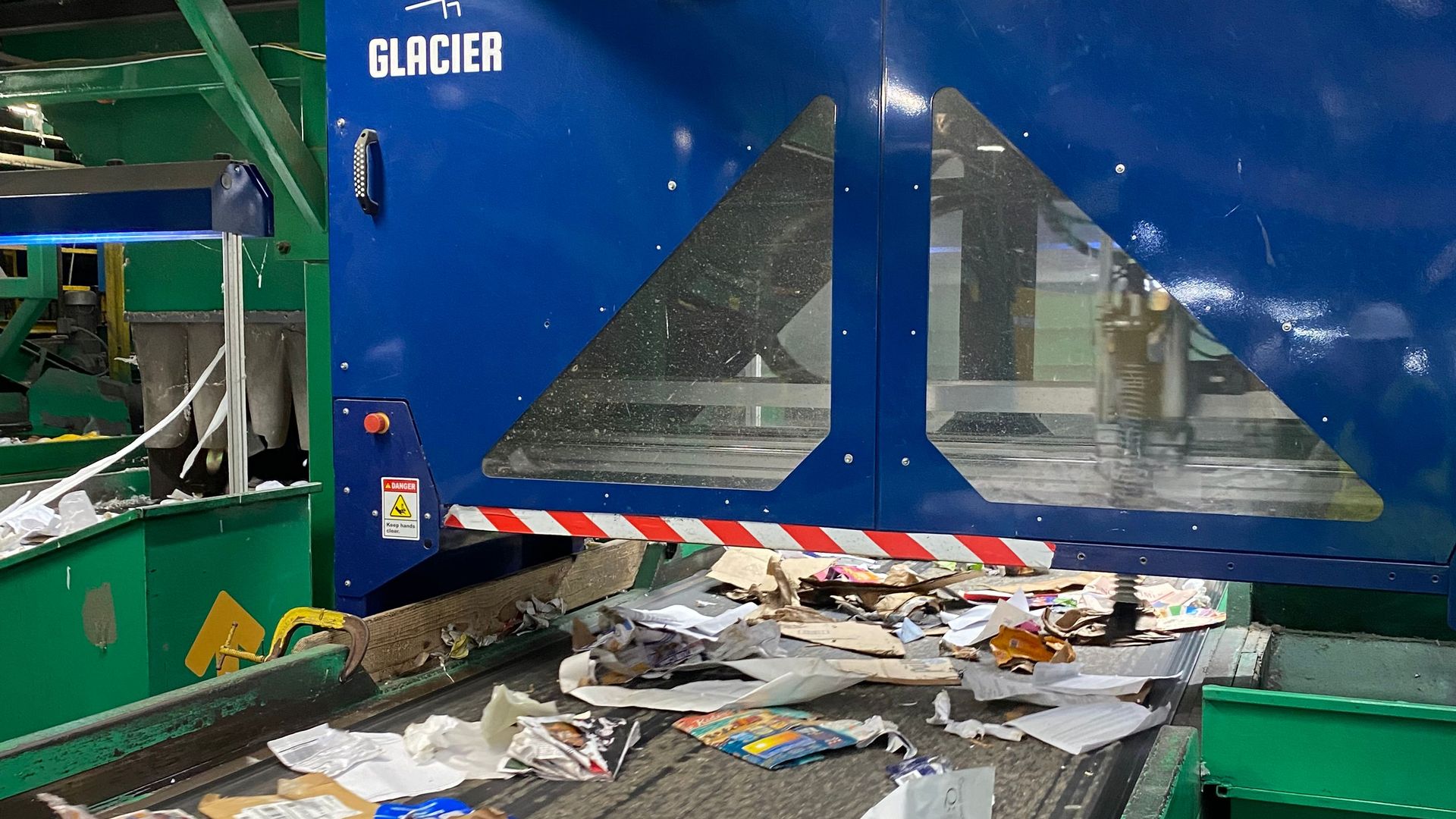
AI Revolutionizes Recycling at Penn Waste Facility
Penn Waste, a leading waste management company in Pennsylvania, has introduced artificial intelligence-powered robots at one of the largest recycling plants in the Northeastern United States. This initiative marks a significant advancement in the automation and efficiency of municipal waste sorting, positioning Penn Waste at the forefront of a growing trend in the industry.
Background
Recycling in the United States faces persistent challenges, including low participation rates, high contamination levels, and the economic burden of manual sorting. Traditional facilities rely heavily on human workers, making the process labor-intensive and error-prone. With increasing demands for better environmental outcomes, the industry is turning to automation and AI as solutions.
Penn Waste’s investment in AI robotics reflects a broader shift within the sector. Their decision to automate comes as other North American providers, like Waste Solutions Canada, are also leveraging technology to enhance services. However, Penn Waste’s deployment is notable for its scale and the advanced capabilities of the robots.
Key Features of the AI Recycling System
The new AI-powered robots are designed to identify, sort, and separate recyclable materials with unprecedented speed and accuracy. While specific technical details are not disclosed, industry standards suggest the following features:
- Advanced Machine Vision: High-resolution cameras and sensors scan waste streams in real time, identifying materials based on shape, color, texture, and chemical signature.
- Machine Learning Algorithms: The robots learn from each sorting decision, improving their ability to distinguish between plastics, metals, paper, and contaminants.
- Robotic Arms: Equipped with grippers or suction devices, these arms remove targeted items from conveyor belts, depositing them into appropriate bins.
- Integration with Existing Infrastructure: The robots work alongside traditional sorting equipment, maximizing both automation and human oversight.
This technology enables the facility to process larger volumes of material with fewer errors, reducing the amount of recyclables sent to landfills and improving the purity of sorted materials.
Industry Impact and Context
The introduction of AI robotics in recycling is part of a broader movement across North America, where companies are exploring automation to address labor shortages, increase throughput, and meet stricter regulations. Penn Waste’s move is significant because it involves one of the region’s largest facilities, indicating the scalability of the technology for high-volume operations.
Economic and Environmental Benefits
- Increased Efficiency: Automated sorting operates 24/7, processing more material in less time and reducing reliance on human labor.
- Improved Quality: Minimizing contamination ensures more recycled material meets manufacturers' standards, opening new markets.
- Cost Savings: Long-term savings are expected through reduced labor costs and higher resale value of cleaner recyclables.
- Sustainability: Effective sorting means less waste ends up in landfills, aligning with sustainability goals.
Challenges and Considerations
Despite the advantages, transitioning to AI-driven recycling presents challenges. High initial capital costs may be a barrier for smaller operators. Concerns about job displacement for manual sorters exist, though new roles in robot maintenance could offset losses. The effectiveness of AI systems depends on the quality of the data they are trained on.
Broader Implications for the Recycling Sector
Penn Waste’s initiative is part of a larger movement toward circular economy practices, where waste is minimized and materials are reused. The use of robots with recyclable and modular components underscores the sector’s commitment to reducing its environmental footprint.
Municipalities and consumers benefit from advancements through higher recycling rates and potentially lower fees. Success depends on improving public education about recycling practices, as even advanced robots cannot compensate for widespread contamination from improper disposal.
Visuals and Multimedia
Journalists covering this story should seek:
- Official press images from Penn Waste showcasing the robots in operation.
- Screenshots or diagrams illustrating AI vision systems.
- Photos of key company executives or engineers overseeing the system.
- Infographics comparing manual vs. automated sorting rates.
Looking Ahead
Penn Waste’s deployment of AI recycling robots signals that advanced automation is a present-day solution to recycling challenges. As technology matures and becomes more affordable, similar systems will likely be adopted by other major operators.
The success of this initiative could spur further innovation, such as integrating robotics with smart city infrastructure or developing AI systems capable of sorting more complex waste streams. Penn Waste’s move demonstrates how technology can drive economic and environmental progress in waste management.
Conclusion
Penn Waste’s launch of AI-powered recycling robots represents a major milestone for the waste management industry in the Northeastern United States. By combining advanced machine vision, machine learning, and robotic automation, the company addresses longstanding challenges in recycling efficiency and quality. While the transition poses challenges, the potential benefits for the environment, economy, and circular economy are substantial. This development is a case study in how innovation can transform traditional industries, offering a model for others to follow in pursuit of a sustainable future.


