
AMD CEO Forecasts 5 Billion AI Users by 2030, Signaling Explosive Market Growth
AMD's leadership predicts the AI user base will reach 5 billion by 2030, marking a watershed moment for the industry. The forecast underscores the intensifying competition between chip makers to capture the next wave of AI adoption.
The AI Inflection Point: AMD's Bold 5 Billion User Forecast
The race for AI dominance just entered a new phase. AMD's CEO has projected that 5 billion people will be active AI users by 2030, a forecast that reflects both the staggering potential of artificial intelligence and the existential stakes for semiconductor manufacturers competing to power this expansion. This prediction, unveiled at CES 2026, signals that the AI market is transitioning from early adoption to mass-market penetration—and the infrastructure required to support billions of concurrent users will be enormous.
The implications are clear: whoever controls the chips, systems, and software stack powering this user explosion will define the next decade of computing. AMD is positioning itself as a credible alternative to Nvidia's dominant GPU ecosystem, but the path forward demands more than incremental improvements.
AMD's Hardware Arsenal for the AI Era
At CES 2026, AMD and its partners outlined an ambitious vision for "AI Everywhere for Everyone," backed by concrete hardware announcements:
- MI455X GPUs: Next-generation accelerators designed to compete directly with Nvidia's flagship offerings
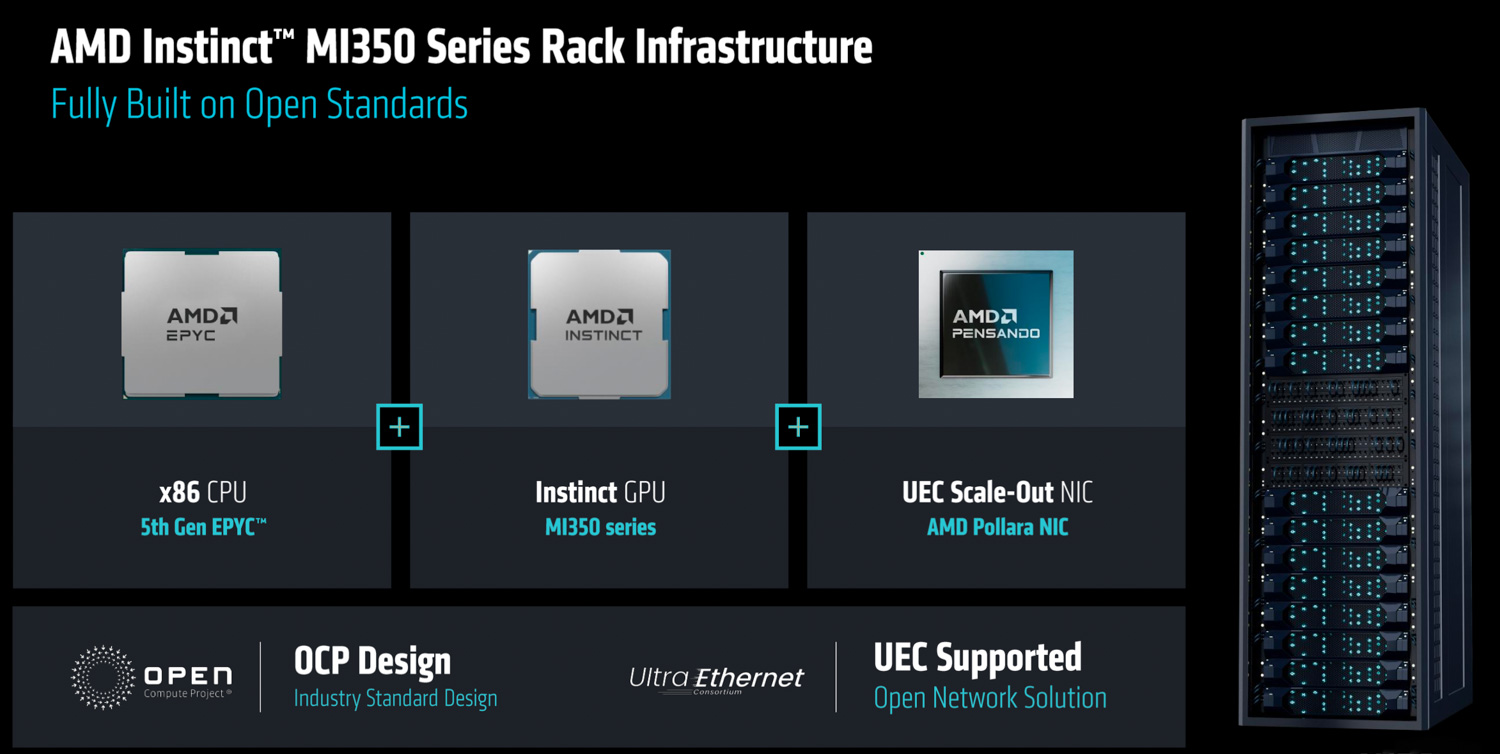
- Helios Racks: Purpose-built systems architecture optimized for large-scale AI workloads
- Ryzen AI 400 Chips: Consumer-grade processors bringing AI capabilities to mainstream laptops and desktops
According to AMD's detailed CES 2026 announcements, these products represent a comprehensive strategy to address AI demand across data centers, enterprise, and consumer segments. The company is betting that a diversified portfolio—rather than relying solely on high-end accelerators—will be essential to reaching 5 billion users.
Market Context: Why 5 Billion Matters
The 5 billion figure isn't arbitrary. Today's global internet user base stands at approximately 5.3 billion people, meaning AMD's forecast essentially predicts that AI adoption will reach near-universal penetration among connected populations within the next five years. This would represent an acceleration far beyond current AI usage patterns.
Industry analysis suggests this growth trajectory is plausible but demanding, contingent on:
- Infrastructure scaling: Data centers, edge computing, and on-device AI capabilities must expand in parallel
- Cost reduction: AI services must become affordable for emerging markets and price-sensitive consumers
- Regulatory clarity: Governments must establish frameworks that enable rather than constrain AI deployment
- Supply chain resilience: Semiconductor manufacturing capacity must keep pace with demand
AMD's Competitive Position
AMD faces a formidable challenge. Nvidia currently dominates the AI accelerator market with an estimated 80%+ share of GPU sales for machine learning workloads. AMD's momentum heading into 2026 reflects years of engineering investment, but converting technical credibility into market share requires more than superior specifications—it demands ecosystem support, software optimization, and customer confidence.
The company's willingness to publicly forecast 5 billion AI users suggests confidence in both the market's trajectory and its own ability to capture meaningful share. However, this forecast also raises the stakes: if AMD's hardware and software stack cannot deliver on performance, reliability, and cost promises, the company risks being sidelined as the market consolidates around proven solutions.
The Broader Implications
AMD's 5 billion user forecast reflects a fundamental shift in how the industry views AI. This is no longer a niche technology for researchers and large enterprises—it's becoming infrastructure, as essential as electricity or internet connectivity. The semiconductor companies that successfully navigate this transition will shape the economic and technological landscape for decades to come.
The next five years will determine whether AMD can credibly challenge Nvidia's dominance or whether the market will calcify around existing leaders.


