
Wall Street's Retreat from AI: Fund Managers Signal Caution as Tech Valuations Face Scrutiny
Major institutional investors are pulling back from technology stocks amid growing concerns that artificial intelligence investments have become overvalued. This shift marks a critical turning point in market dynamics, with fund managers reassessing their exposure to the sector that has dominated gains since 2023.
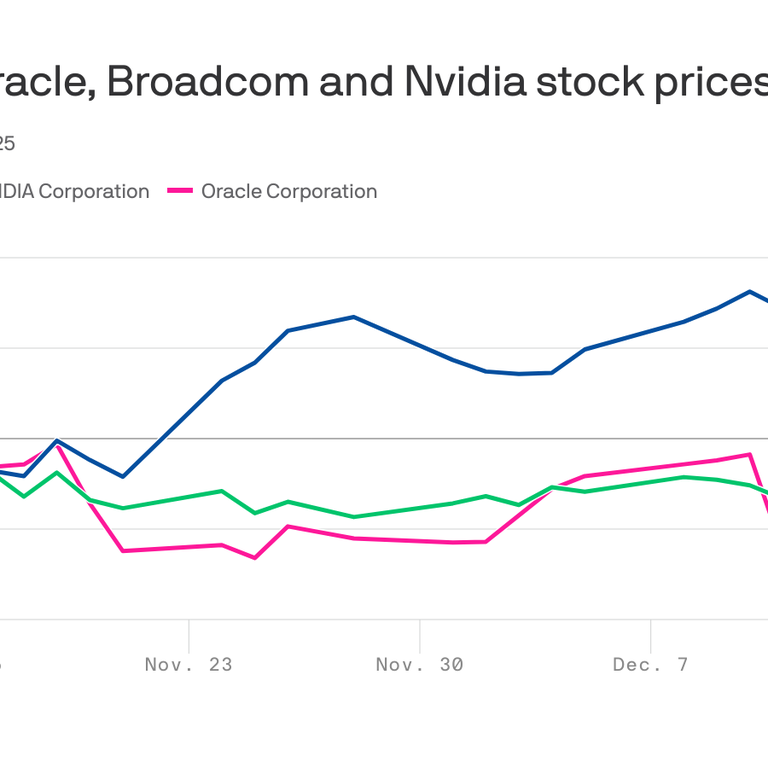
The Tide Turns on Tech Dominance
The artificial intelligence boom that has powered equity markets for nearly two years is facing its most serious headwind yet: skepticism from the very institutions that fueled the rally. Major fund managers are now reassessing their technology allocations, signaling that the unbridled enthusiasm for AI-related stocks may have finally hit a ceiling. This pullback represents more than routine portfolio rebalancing—it reflects a fundamental shift in how institutional capital evaluates the sustainability of current valuations.
The concern centers on a familiar pattern: when a transformative technology captures market imagination, valuations can disconnect from underlying fundamentals. AI stocks have experienced extraordinary appreciation, with some companies trading at multiples that assume decades of flawless execution and market dominance. Fund managers, tasked with fiduciary responsibility, are now questioning whether these assumptions remain reasonable.
What's Driving the Reassessment
Several factors are converging to prompt this institutional caution:
- Valuation compression: AI-related stocks have reached valuations that leave limited room for disappointment, according to analysis from major asset managers
- Earnings reality checks: The gap between stock price appreciation and actual earnings growth has widened considerably
- Competitive dynamics: Questions persist about whether first-movers in AI can maintain sustainable competitive advantages
- Macro headwinds: Rising interest rates and inflation concerns make high-growth, low-earnings stocks less attractive on a relative basis
Morgan Stanley's market outlook for 2026 explicitly identifies concentrated exposure to mega-cap technology stocks as a key risk to bull market continuation. This assessment from one of Wall Street's most influential research shops carries weight with institutional allocators.
The Rotation Question
The pullback doesn't necessarily signal a market crash—rather, it suggests capital is beginning to rotate toward undervalued segments. Fund managers are exploring alternatives to the concentrated mega-cap tech bets that have dominated portfolios. This includes:
- Broadening sector exposure beyond the "Magnificent Seven"
- Evaluating semiconductor supply chain beneficiaries with more reasonable valuations
- Reconsidering dividend-paying and value stocks that offer more attractive risk-reward profiles
- Examining emerging market opportunities that have been overlooked during the AI rally
The mechanics of this rotation matter significantly. If it occurs gradually, markets can absorb the shift without major disruption. If institutional redemptions accelerate, volatility could spike sharply.
What This Means for Investors
The institutional pullback creates both risks and opportunities. For investors heavily concentrated in mega-cap AI plays, the message is clear: diversification becomes increasingly important. The days of assuming that any AI-adjacent company will deliver outsized returns appear to be ending.
Conversely, this environment may create genuine opportunities in overlooked sectors and smaller-cap companies with solid fundamentals. The key is distinguishing between genuine value opportunities and value traps—companies that are cheap for good reasons.
The broader implication is that 2026 may look materially different from 2024-2025. The era of "buy anything with AI in the name" is likely concluding. What emerges in its place will depend heavily on whether AI investments ultimately deliver the transformative economic returns that justify current valuations, or whether the market has gotten ahead of itself.


