
Baidu Accelerates AI Chip Development with 2026-27 Launch Timeline
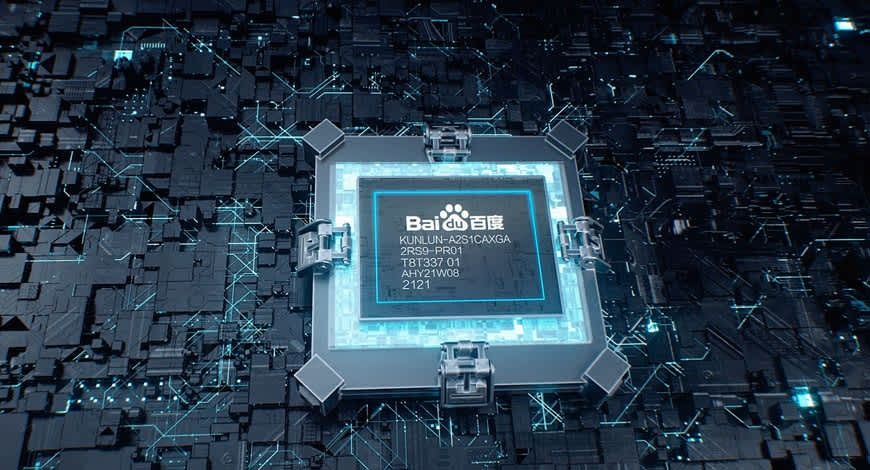
Baidu has announced plans to launch its next-generation AI chip set between 2026 and 2027, marking a significant step in the company's strategy to reduce reliance on foreign semiconductor technology and strengthen China's domestic AI infrastructure capabilities.
Baidu Accelerates AI Chip Development with 2026-27 Launch Timeline
Baidu has announced plans to launch its next-generation AI chip set between 2026 and 2027, marking a significant step in the company's strategy to reduce reliance on foreign semiconductor technology and strengthen China's domestic AI infrastructure capabilities.
The announcement underscores Baidu's commitment to vertical integration in artificial intelligence, combining software development with proprietary hardware solutions. This move aligns with broader industry trends where major AI companies are increasingly developing custom silicon to optimize performance and reduce operational costs at scale.
Strategic Importance for China's AI Ecosystem
The timing of Baidu's chip launch reflects the company's ambitions to support its expanding AI computing platforms and large language models. As China faces international restrictions on advanced semiconductor imports, domestic chip development has become a critical priority for maintaining technological sovereignty in the AI sector.
Baidu's chip roadmap represents part of a larger initiative to build comprehensive AI infrastructure within China. The company has been progressively expanding its computing capacity through its Kunlun series of AI accelerators, with previous generations demonstrating competitive performance metrics in machine learning workloads.
Technical Specifications and Architecture
While specific technical details remain limited, industry analysts expect the 2026-27 generation chips to incorporate:
- Enhanced processing architecture optimized for large language model inference and training
- Improved power efficiency compared to previous iterations
- Scalability features supporting distributed computing across data centers
- Integration capabilities with Baidu's existing software stack and cloud services
The new chip set is anticipated to support Baidu's growing portfolio of AI applications, including search optimization, autonomous driving research, and enterprise AI solutions.
Competitive Landscape
Baidu's announcement comes amid intensifying competition in the AI chip sector. Other Chinese technology companies, including Alibaba and Tencent, have similarly invested in custom silicon development. Internationally, companies like NVIDIA continue to dominate the market, though supply constraints and geopolitical considerations have accelerated domestic chip initiatives across Asia.
The 2026-27 timeline suggests Baidu is targeting a multi-year development cycle that accounts for design validation, manufacturing partnerships, and integration testing. This phased approach is typical for semiconductor companies bringing new architectures to production.
Industry Implications
Baidu's chip development strategy carries broader implications for:
- Supply chain resilience in the AI sector, particularly for companies operating in China
- Technology independence and the viability of domestic alternatives to established foreign solutions
- Cost structures for large-scale AI infrastructure deployment
- Innovation velocity in custom silicon design for machine learning applications
The company's vertical integration approach mirrors strategies employed by leading technology firms globally, where controlling the full hardware-software stack provides competitive advantages in performance optimization and feature development.
Looking Ahead
The 2026-27 launch window provides Baidu with sufficient time to refine its chip architecture and establish manufacturing partnerships with foundries capable of producing advanced semiconductors at scale. Success in this initiative would position Baidu as a significant player in the AI hardware market and strengthen its competitive position in cloud computing and enterprise AI services.
Industry observers will be monitoring Baidu's progress closely, as the company's execution on this roadmap could influence broader trends in AI infrastructure development across Asia and establish benchmarks for domestic semiconductor capabilities in artificial intelligence applications.
Key Sources: Baidu's official announcements regarding AI chip development roadmap; industry analysis of China's semiconductor strategy in AI infrastructure; technical specifications from Baidu's Kunlun series documentation.


