
ChatGPT's Meteoric Rise and the Trust Gap in AI News
ChatGPT's user base has doubled, yet skepticism about AI in news persists. Explore the growth and trust gap in AI technology.
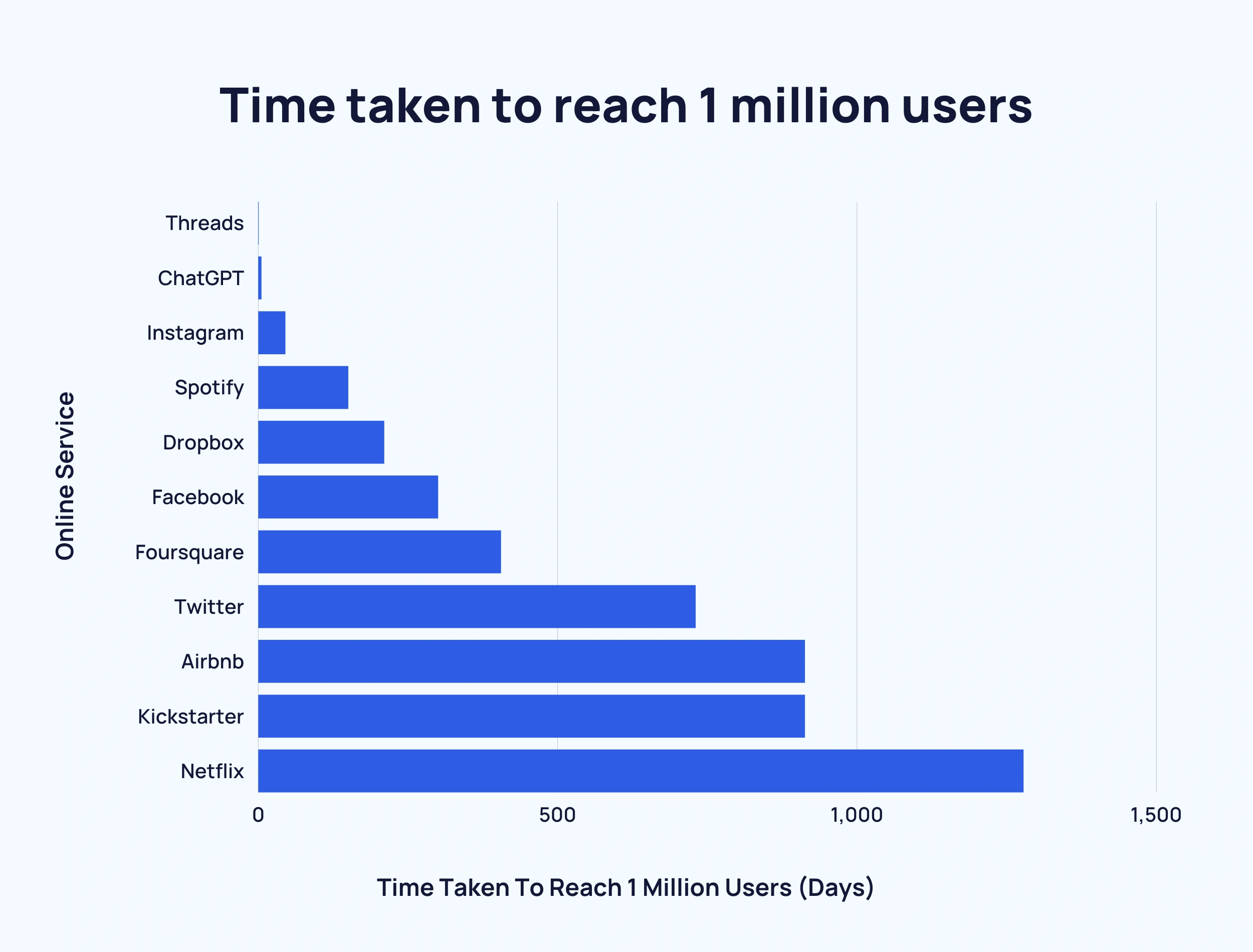
ChatGPT Usage Doubles as Trust in AI News Wavers
ChatGPT, OpenAI’s flagship conversational AI, now boasts over 800 million weekly users—double the number from a year ago. This growth underscores its role as a global tool for information, writing, and daily tasks. However, skepticism about AI in news reporting remains high.
Explosive Growth in User Engagement
In September 2025, ChatGPT reached over 800 million weekly active users, a significant increase from 400 million in February 2025. This trajectory is unprecedented for consumer technology, with ChatGPT becoming one of the top six most-visited websites globally. The platform processes over 1 billion queries daily, with users sending more than 2.6 billion messages per day as of June 2025.
- Early adopters are using ChatGPT 40% more than two years ago.
- New users from late 2024 are sending nearly twice as many messages.
Adoption is global, with the United States leading at 19%, followed by India (7%), Brazil (5%), Canada (3.6%), and the UK (3.5%). Growth in low- and middle-income countries is outpacing that in high-income regions, narrowing digital divides. Gender gaps have also closed, with women now representing over half of users.
How People Use ChatGPT
ChatGPT’s primary use cases are practical:
- Asking (49%): Advice, explanations, and answers.
- Doing (40%): Drafting text, planning, coding.
- Expressing (11%): Personal reflection, creative exploration.
At work, ChatGPT is widely adopted:
- 92% of Fortune 100 companies use it.
- 60% of college students and 34% of millennials are users.
- Software developers are the heaviest users, with 79% adoption.
Persistent Skepticism Toward AI in News
Despite its integration into daily life, trust in AI-generated news remains low. Surveys indicate comfort with AI for information retrieval and writing assistance, but wariness about AI in journalism persists. Concerns focus on accuracy, bias, and potential manipulation.
- Consumers express reservations about AI replacing human judgment in newsrooms.
- AI tools are used for drafting summaries and generating headlines, but audiences prefer human oversight for major news stories.
Context and Implications
The rapid adoption of ChatGPT reflects a shift in information interaction. Its utility for everyday tasks has made it indispensable, yet trust in AI-generated news is lacking. This highlights a challenge for the media industry: balancing AI's productivity with public trust.
OpenAI’s research shows reliance on ChatGPT for practical tasks, but caution in delegating authority to AI in areas requiring judgment and expertise. This tension will shape AI's future in consumer and professional contexts.
Visualizing the Trend
Suggested images to illustrate key points:
- Screenshots of ChatGPT in use
- Infographics of user growth over time
- Global maps of adoption rates by country
- Visuals of AI-generated vs. human-written news articles
- Official OpenAI/ChatGPT product imagery
Conclusion
ChatGPT’s user base and engagement have doubled, cementing its role as a daily tool for millions. Yet, skepticism about AI in news remains a barrier. Bridging this gap requires leveraging AI’s strengths while addressing concerns about trust, accuracy, and accountability.


